
Last Updated on October 15, 2026 by Cliche
If you’ve ever put off calling a therapist because of the hassle of commuting across town or because you couldn’t find an appointment outside business hours, you’re not alone. There’s something about having to plan your entire afternoon around a 50-minute therapy session that makes people put it off indefinitely.
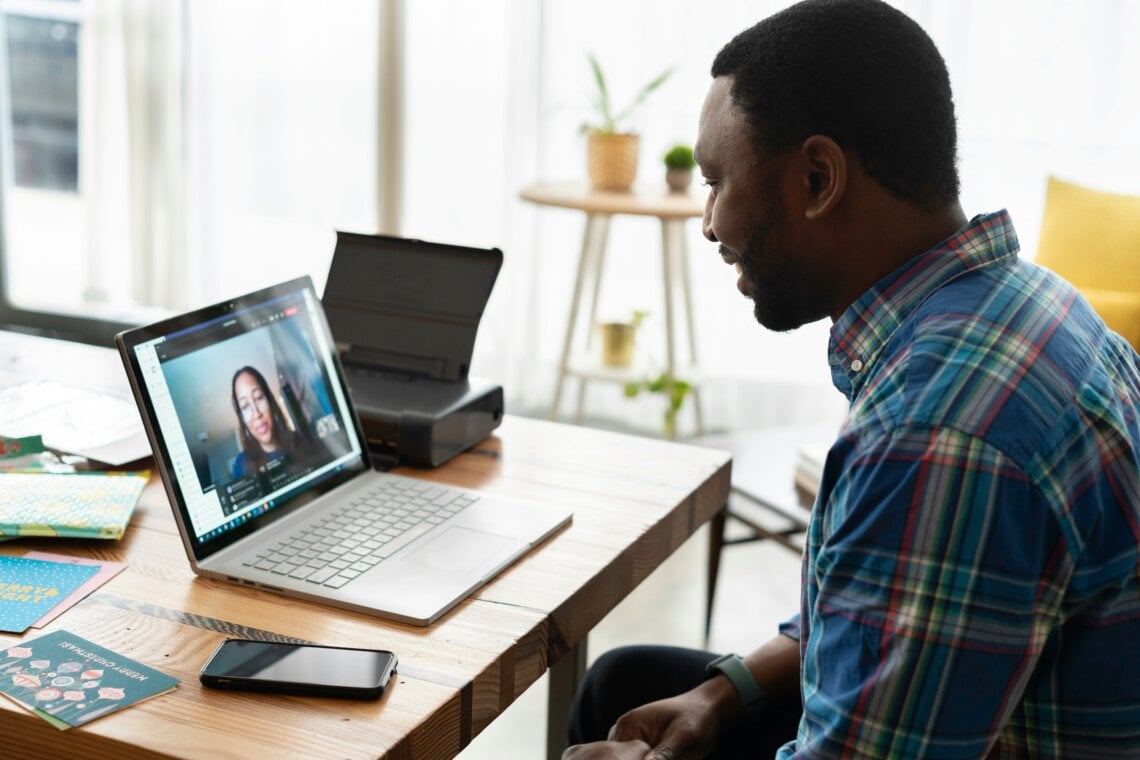
It’s not perfect, but for a lot of people, an online counselling service has genuinely made therapy accessible when it otherwise wouldn’t be.
Why Online Counselling Actually Works
Here’s the thing nobody tells you about therapy: the medium matters less than you’d think. I know, it sounds counterintuitive. You’re talking to someone through a screen instead of sitting across from them in an office. But it turns out that what actually drives change in counselling is the conversation itself and the relationship you build with your counsellor, not whether there’s a desk between you.
The structured format of online sessions works surprisingly well. You schedule regular appointments, usually weekly or biweekly, for about 45-60 minutes. There’s something about that consistency that matters more than occasionally squeezing in a session when you finally have time. Your counsellor starts to understand your patterns, remembers what you mentioned last week, and can actually help you track progress instead of always starting from scratch.
And the confidentiality? It’s protected the same way it would be in an office. Your sessions are encrypted, and your counsellor follows the same professional ethics as they would in person.
The Practical Advantages People Actually Care About
Let’s be real: accessibility is the biggest draw here. If you’re in a rural area where there are maybe two therapists within 50 miles, or if you live somewhere with a long waitlist, online counselling opens up options you wouldn’t otherwise have.
But it’s not just geography. There’s the scheduling piece. A lot of therapists working online offer evening appointments or weekend slots, which is huge if you work traditional hours or juggle multiple responsibilities. No commute means you save time and energy before you even start talking about what’s bothering you.
Some people find it genuinely easier to open up from their own space. Your home is familiar, you control the environment, and there’s something about sitting in your own chair that helps people be more vulnerable than they would be in an unfamiliar office.
The cost can be lower too. You’re not paying for travel, and some online counsellors charge less than traditional therapists. Insurance coverage varies, but it’s worth checking.
And look, some people just don’t want to be seen going to a therapist’s office. That’s real. The privacy of accessing support from home eliminates that barrier for them.
Where Online Counselling Doesn’t Work as Well
It’s not all smooth sailing though. Technical problems happen. You’re on a call and suddenly your internet cuts out or the platform crashes. It’s frustrating and disrupts the flow of the session.
For actual crises, online counselling isn’t appropriate. If you’re actively experiencing a mental health emergency, you need in-person crisis intervention or emergency services. A video call isn’t going to cut it at that moment.
Screen-based connection is also just inherently limited. You’re missing body language cues, physical presence, and that full dimension of human interaction. Some people find it harder to build trust through a screen, and that’s valid.
And the therapeutic relationship does depend on consistency. If you’re canceling sessions or flaking out, you’re undermining the whole thing. The relationship needs to develop over time, and sporadic contact doesn’t allow that.
Also, some people with severe mental health conditions genuinely do better with in-person support where medication can be managed alongside therapy, or where more intensive intervention is available.
Actually Finding Someone Who’s Right for You
This is where people often stumble. You can’t just pick the first counsellor with availability. You need someone whose actual expertise matches what you’re dealing with.
Someone who specializes in anxiety isn’t necessarily equipped to help with trauma. A relationship counsellor might not have much experience with depression. You don’t need a perfect match on everything, but there should be some alignment between their experience and what you’re bringing.
The therapeutic approach matters too. Cognitive behavioral therapy is different from psychodynamic therapy, which is different from solution-focused therapy. You might resonate with one approach over another, and it’s worth asking about their style.
Most good counsellors will offer an initial consultation, sometimes free or discounted, to see if you click. Use that time to actually assess the fit. Do you feel heard? Do they ask thoughtful questions about your situation? Does their personality work for you? These things matter more than you’d think.
If you’re exploring online counselling options, virtual support for mental wellness helps you navigate finding appropriate services with qualified professionals who can work with you from home.
Getting Ready for Your First Session
A lot of first-session anxiety comes from just not knowing what to expect. You can actually reduce that by preparing a bit.
Find a genuinely private space where you won’t be interrupted. Close the door, turn off notifications, silence your phone. It sounds basic, but it makes a difference in how openly you can talk.
Think about what you actually want to address. You don’t need a perfect, organized list, but having some sense of what’s brought you to counselling helps you communicate that to your counsellor. Otherwise, you might spend the whole first session trying to figure out where to start.
Be honest about your expectations. What do you hope this will do for you? Where do you want to be different? Being clear about that helps your counsellor understand what you’re working toward.
And look, be genuinely honest in the sessions. Your counsellor isn’t there to judge you. They’re not going to be shocked or disappointed. Their job is to understand what’s actually happening so they can actually help.
What Actually Happens Once You Start?
Initial sessions are usually about building context. Your counsellor is trying to understand your history, what’s happening now, and what led you to seek support. It might feel a bit like interrogation, but it’s not. They’re mapping out the landscape.
Then you move into setting actual goals. What are you trying to change? How will you know if it’s working? These might seem like abstract questions, but they actually help you track progress and keep the work focused.
Most counsellors will teach you specific things. Coping strategies for managing anxiety. Communication techniques for relationships. Ways to identify and interrupt unhelpful thought patterns. It’s not just talking, it’s learning practical tools.
You’ll also explore patterns. Why do the same situations keep happening? What’s the problem? Sometimes the breakthrough comes from understanding that, not from just discussing what’s bothering you.
And your counsellor will actually check in on progress. Are these strategies working? Is anything shifting? Are you moving toward your goals or are we spinning? That feedback loop is how you know whether the work is actually helping.
When It Actually Makes Sense to Seek Help
People delay getting support because they’re not sure if they “need” it or if their problems are “serious enough.” That’s backwards thinking.
Persistent sadness, anxiety, or emotional distress that’s affecting your daily life isn’t something you have to white-knuckle through. Life transitions like job loss, relationship changes, or major moves create legitimate stress that counselling can help you navigate. If you’re struggling with patterns you can’t seem to change on your own, that’s exactly what counselling is for.
Relationship problems, difficulty with communication, conflicts that keep cycling, feelings that don’t have names but are definitely there are all of these are appropriate reasons to seek professional support.
The threshold isn’t that your problems have to be catastrophic. If something’s bothering you enough that you’re here reading about online counselling, it’s probably worth exploring with a professional.
Making the Therapeutic Relationship Actually Work
Here’s what determines whether counselling actually helps: you and your counsellor being in it together. That means showing up consistently. Weekly is better than sporadic. The relationship needs time to develop.
It means being real. If something your counsellor suggests doesn’t sit right with you, say so. If you’re struggling with what they asked you to practice, tell them. That’s not failure. That’s feedback that helps them adjust their approach.
Try things even when they feel uncomfortable or unfamiliar. Change doesn’t happen by talking about the same patterns. It happens when you do something different, even when it feels awkward at first.
And understand that change is gradual. You’re not going to have a breakthrough in week two and be entirely transformed by week eight. Real shifts usually happen over months, with ups and downs along the way.
Individual Counselling Professionals Making a Difference
When you’re looking for a counsellor, sometimes it helps to connect with someone whose approach and expertise feels like a good match from the start. Every counsellor brings their own style, training, and perspective to the work.
Tammy Laber counselling represents the type of professional offering individualized counselling services online. Having a specific professional whose work resonates with you can make a real difference in whether you stick with counselling and whether it actually helps.
Connecting Online Counselling to Bigger Picture Wellness
Counselling works better when it’s part of a broader approach to your wellbeing.
Sleep matters. Movement matters. Who you spend time with matters. What you’re doing to manage stress outside of sessions matters.
If there’s a medical component like medication for depression or anxiety that’s separate from but complementary to counselling. Some people benefit from both.
And your regular support system friends, family, mentors doesn’t go away because you’re in counselling. If anything, those relationships matter more.
The Reality Check
Online counselling works. It’s not perfect, but it works for a lot of people. It’s accessible, convenient, and the actual therapeutic process is sound.
But it only works if you actually use it. You have to show up, engage honestly, and be willing to try new things. You have to choose a counsellor who actually fits. And you have to be patient with the process.
If you’ve been thinking about counselling but have been deterred by logistics or uncertainty, online options genuinely remove a lot of those barriers. It’s worth exploring.
Read more health and mental health articles at ClichéMag.com
Images provided by Deposit Photos, BingAI, Adobe Stock, Unsplash, Pexels, Pixabay Freepik, & Creative Commons. Other images might be provided with permission by their respective copyright holders including AI generators.