
Last Updated on May 27, 2026 by Cliche
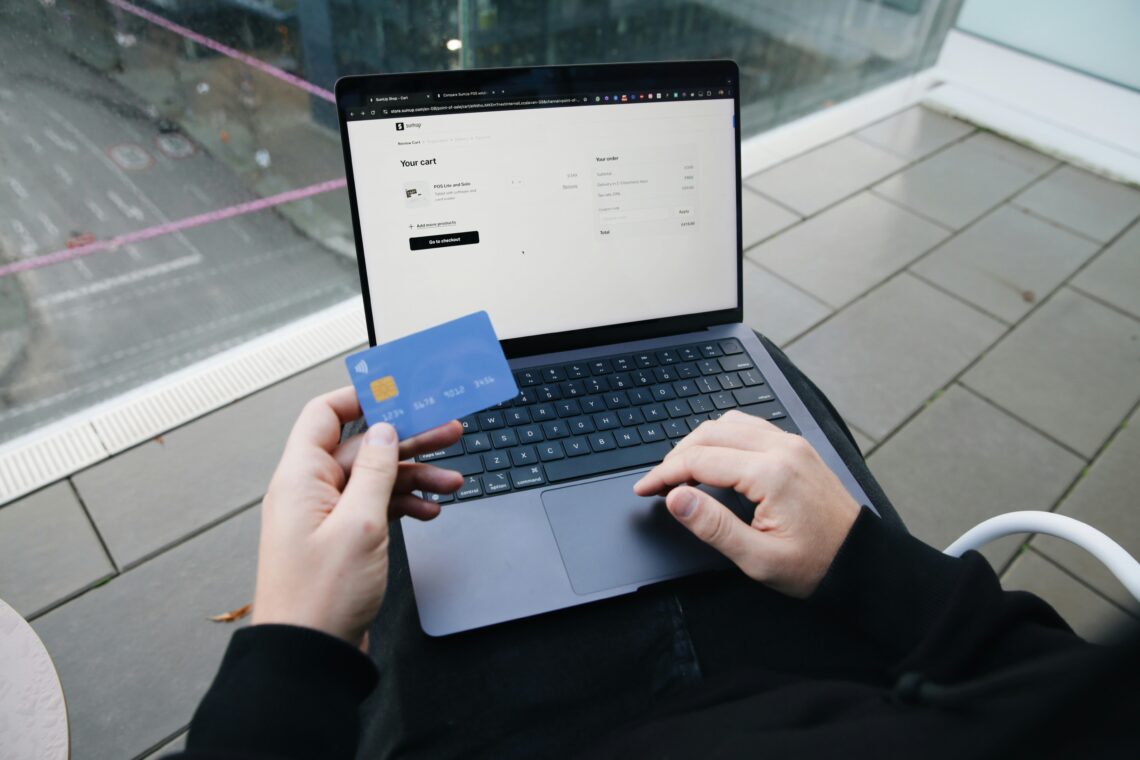
The way we handle transactions has changed quietly but completely in Houston. Paying bills, transferring money, managing subscriptions, shopping online—almost everything now happens through digital platforms. What used to take minutes in a physical setting now happens in seconds. But behind that convenience lies one critical factor most people overlook: the stability of your internet connection.
Because when the connection isn’t stable, things start to break. Payments fail midway, pages don’t load properly, OTPs get delayed, and sometimes transactions even get stuck in processing. These aren’t just minor inconveniences—they directly impact trust, time, and in some cases, money.
As online transactions become a daily habit rather than an occasional task, the need for a connection that can handle real-time data exchange without interruptions becomes essential. And this is exactly where fiber internet begins to stand out—not just for speed, but for reliability and consistency that keeps transactions smooth from start to finish.
Let’s know it in detail!
1. Real-Time Processing Without Interruptions
Online transactions rely on continuous data exchange between your device, your bank, and payment gateways. Even a small disruption in connectivity during this process can lead to failed or incomplete transactions.
Fiber internet ensures a stable and uninterrupted connection, allowing these processes to complete smoothly. Its low latency and consistent performance reduce the chances of timeouts or delays during payments. In high-activity digital environments, this level of reliability becomes even more important.
That’s why many users are shifting toward fiber internet in Houston to ensure their day-to-day transactions happen without glitches. The good part? As digital dependency increases, providers are focusing on delivering connections that can support these real-time activities efficiently. For example, Frontier is one such provider offering fiber solutions designed for stable and uninterrupted performance.
Why this matters:
- Transactions complete without sudden disconnections.
- Reduced chances of payment failures.
- Faster processing across platforms.
2. Faster Page Loads and Payment Gateway Access
When you’re making an online payment, every second counts. Slow-loading pages or delayed gateway responses can cause frustration—and in some cases, duplicate attempts that complicate transactions further.
Fiber internet offers significantly faster loading speeds, ensuring that payment pages open instantly and transactions move forward without delays.
What improves instantly:
- Quick access to banking and payment apps.
- Faster checkout experience on e-commerce platforms.
- Reduced waiting time during transactions.
This creates a smoother and more reliable payment experience overall.
3. Reduced Latency for Secure Authentication
Modern transactions involve multiple layers of security—OTP verification, biometric checks, and encrypted communication between servers. All of this requires real-time responsiveness.
With high-latency connections, delays in receiving OTPs or completing authentication steps can interrupt the transaction flow. Fiber’s low latency ensures that these processes happen instantly, reducing friction.
You’ll notice:
- Faster OTP delivery.
- Seamless authentication steps.
- No timing out during verification.
This not only improves convenience but also enhances security by ensuring timely validation.
4. Consistent Performance During Peak Usage
One of the biggest challenges with traditional internet connections is inconsistency—especially during peak hours when many users are online. This often leads to slow speeds and unstable performance.
Fiber internet maintains consistent speeds regardless of network congestion, making it reliable even during high-traffic periods.
Why this is important:
- Transactions remain smooth during busy hours.
- No sudden slowdowns or interruptions.
- Reliable access when you need it most.
This consistency is crucial for users who rely on digital payments throughout the day.
5. Secure and Reliable Data Transmission
Online transactions involve sensitive information—bank details, personal data, and financial records. A stable connection plays a key role in ensuring that this data is transmitted securely without interruptions.
Fiber internet uses advanced infrastructure that is less prone to interference and signal degradation, making it a more secure option compared to traditional connections.
Benefits include:
- Stable data transfer without packet loss.
- Reduced risk of interrupted transactions.
- More reliable communication with secure servers.
While security protocols handle encryption, a stable connection ensures the process completes safely.
6. Supporting Multiple Transactions and Devices
In many households, multiple transactions may be happening at the same time—someone paying bills, another person shopping online, and someone else transferring money.
Fiber internet can handle multiple high-demand activities simultaneously without affecting performance.
Everyday advantages:
- No lag even with multiple users.
- Smooth transactions across devices.
- Consistent performance throughout the day.
This makes it ideal for modern households where digital activity is constant.
Conclusion
Online transactions have become an essential part of everyday life, but their reliability depends heavily on the quality of your internet connection. A slow or unstable network can turn a simple payment into a frustrating experience.
Fiber internet changes that by providing the speed, stability, and consistency needed for seamless transactions. From faster processing to secure data transfer, it ensures that every step of the transaction process works smoothly—without delays or disruptions.
Because when it comes to handling money online, even a small delay can make a big difference—and having the right connection ensures it doesn’t.
Read more lifestyle articles at ClichéMag.com
Images provided by Deposit Photos, BingAI, Adobe Stock, Unsplash, Pexels, Pixabay Freepik, & Creative Commons. Other images might be provided with permission by their respective copyright holders.