
Last Updated on September 26, 2026 by Cliche
Starting a workout plan can be exciting but also a bit scary, especially for beginners. While it’s great to set new fitness goals and push yourself, don’t forget about recovery. Recovery is a key part of your workout routine. Allowing your body to heal and adjust can help you perform better and succeed in the long run. Always remember the importance of workout recovery tips.
Following these recovery tips can greatly improve your fitness routine. Recovery is key to your overall success. By prioritizing recovery, you’ll find your workouts more enjoyable and effective. Here are some easy workout recovery tips to help your body recover after workouts.
Hydration
Staying hydrated is one of the best recovery tips. After you exercise, your body loses fluids, so replace them. Drinking water helps keep your body temperature steady and supports muscle repair. Try to drink water before, during, and after your workout to stay hydrated.
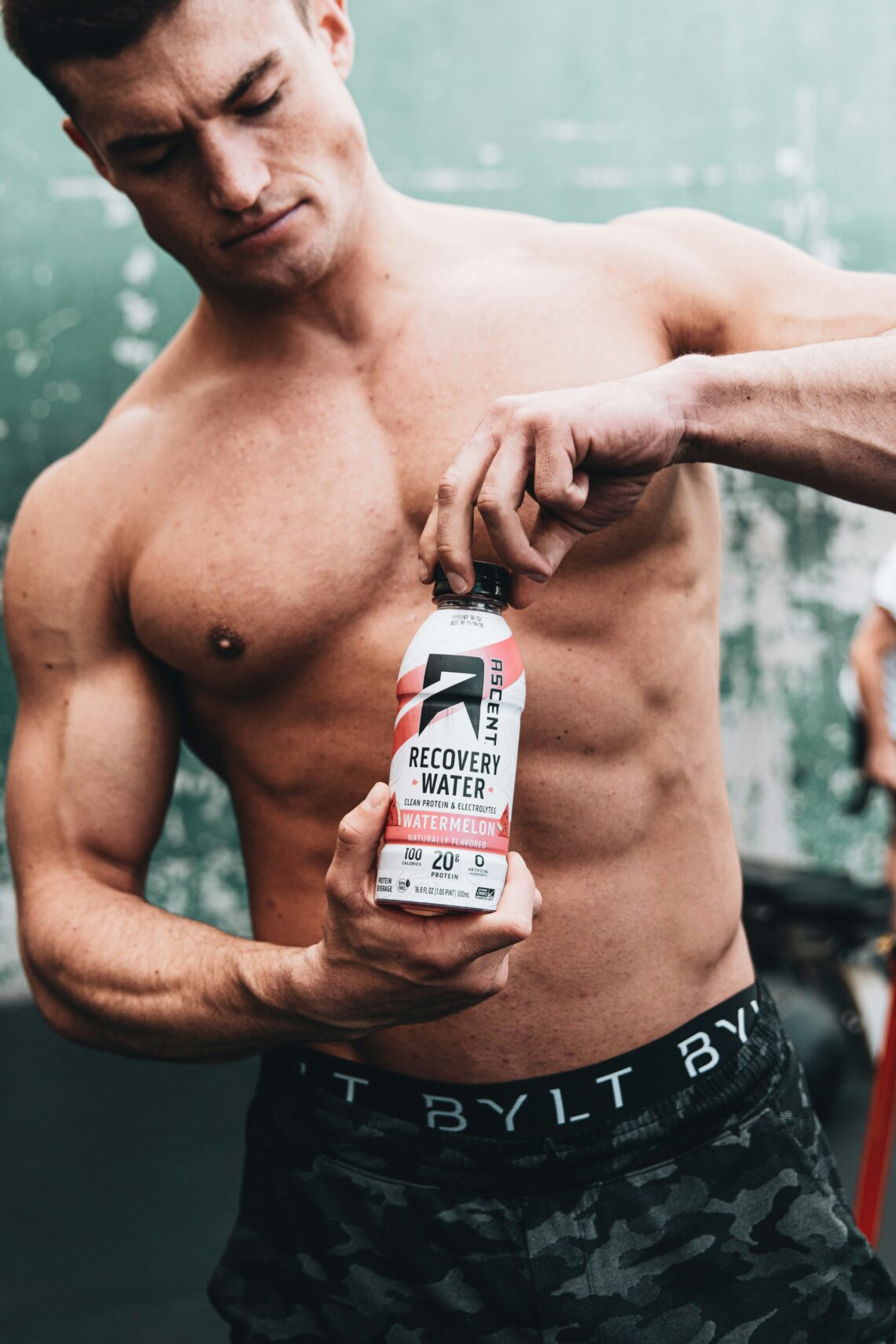
If you have a tough workout, consider drinking sports drinks afterward. These can replace the electrolytes you lose while sweating and help you recover faster. Pay attention to your body. If you feel thirsty or tired, drink. You’ll feel much better when you keep yourself hydrated.
Nutrition
Nutrition is key for recovery. Eating the right foods after you work out helps repair muscle damage and restore energy. Have a balanced meal or snack with protein and carbohydrates soon after exercising. Protein helps your muscles recover, while carbohydrates refill your energy stores.
Good options include a smoothie with protein powder and fruit or a meal with lean meat, such as chicken or tofu, along with whole grains and vegetables. These simple choices can speed recovery and prepare you for your next workout.

Peptides and Creatine
Supplements like peptides creatine can aid recovery. Creatine is especially popular with beginners. It helps your body produce energy during intense exercise, improving performance and speeding recovery.
Studies show that creatine can reduce muscle soreness and damage after working out, helping you recover faster for your next session. Adding creatine to your recovery plan not only boosts performance but also improves your training results. It’s an easy way to support your recovery and get the most from your workouts.
Active Recovery
Active recovery can really help your body. Instead of jumping back into tough workouts, try lighter activities that keep you moving without straining. Good options include walking, slow cycling, or yoga. These activities help increase blood flow to your muscles and can lessen soreness.
Active recovery is also a great time to work on flexibility and mobility. Improving these areas helps you move better and can prevent injuries later. Plus, it gives your mind a break from intense training. Recovery doesn’t always mean complete rest. It can also mean gentle movement that keeps you involved.
Rest and Sleep
A good night’s sleep is crucial for recovery. This is when your body repairs itself, helps muscle fibres heal, and restores your energy levels. Aim for 7-9 hours of quality sleep each night to boost your recovery.
Establish a bedtime routine to help you relax and prepare for sleep. You might cut down on screen time, read a book, or practice relaxation techniques. This way, you’ll wake up feeling refreshed and ready for your next workout.
Stretching and Foam Rolling
Adding stretching and foam rolling to your routine can greatly support recovery. Stretching keeps you flexible, boosts blood flow, and reduces post-exercise stiffness. Spend a few minutes stretching your major muscle groups after working out.
Foam rolling works similarly. It targets tight spots and muscle knots to ease tension. Spend time rolling out sore muscles to enhance recovery and improve your mobility. Both practices are simple and offer significant recovery benefits.
Gradual Progression
Always remember to include recovery in your training. As a beginner, start slowly and let your body adjust to increased activity. Avoid jumping into intense exercises without proper conditioning. Also, peptides for muscle recovery can be helpful for your ongoing routine.
Pay attention to how your body feels and adjust your workout intensity and volume as needed. Gradual progression prevents overworking yourself and gives your body enough time to recover and grow stronger. Finding this balance will help you build a solid foundation for your fitness journey.
Read more health and fitness articles at ClichéMag.com
Images provided by Deposit Photos, BingAI, Adobe Stock, Unsplash, Pexels, Pixabay Freepik, & Creative Commons. Other images might be provided with permission by their respective copyright holders including AI generators.