
Last Updated on June 2, 2026 by Cliche
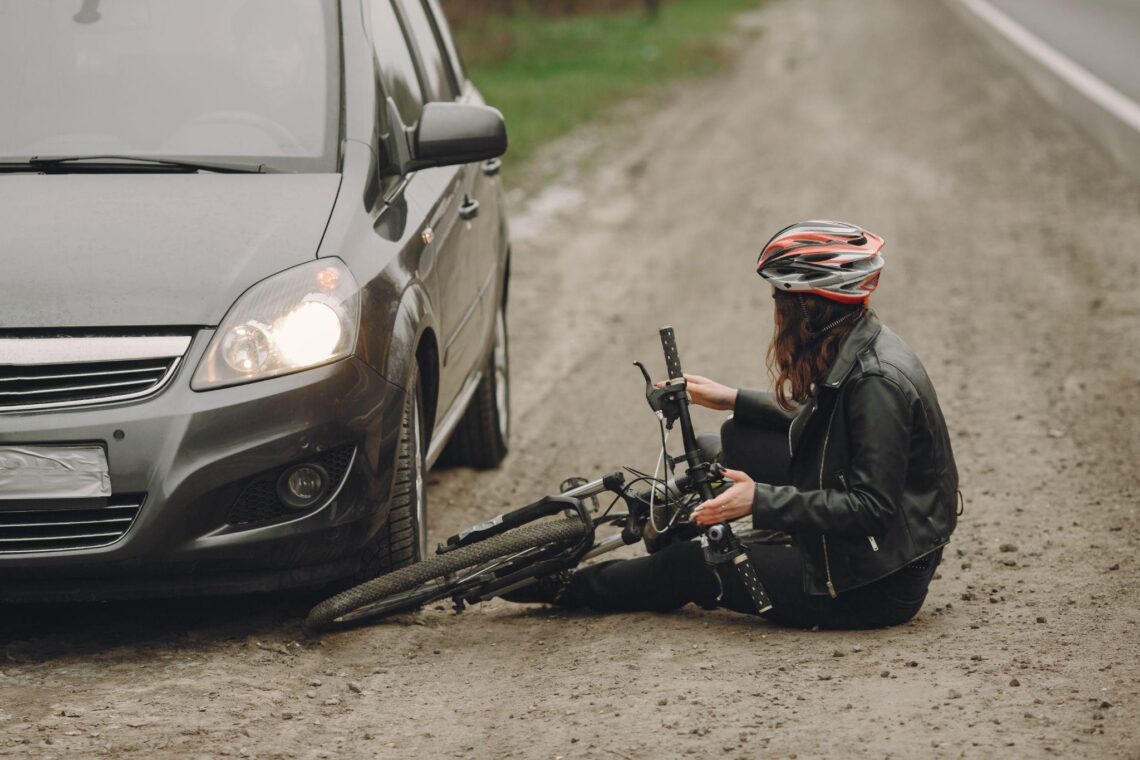
A damaged bicycle helmet can quietly hold the story of an entire crash. Scratches, cracks, broken straps, and crushed padding may seem like simple damage at first, but these details often become part of how accident claims are reviewed later. Insurance companies and investigators usually look beyond medical bills and witness statements while examining what happened during a collision. Physical evidence can sometimes speak louder than memory, especially after a serious roadway impact.
In many cases involving a bicycle accident lawsuit, a damaged helmet becomes one of the first pieces of evidence reviewed during claim discussions because it may help show the force and direction of impact after the collision occurred.
Why Physical Evidence Matters After a Bicycle Accident
Bicycle accidents often happen quickly, and people involved may remember events differently afterward. Because of this, physical evidence becomes very important during insurance reviews and claim investigations. Damaged bicycles, torn clothing, road marks, vehicle dents, and broken helmets may all help create a clearer picture of what happened during the collision.
Helmet damage is especially important because it sits directly on the rider’s head during the crash. A visible crack or heavy scrape may support the idea that the rider experienced a serious impact. Insurance companies often compare this damage with medical records to understand whether head injuries or facial injuries are connected to the accident. Physical evidence also helps investigators study accident direction, collision force, and rider movement after impact.
What Helmet Damage May Reveal During a Claim Review
Supporting Head Injury Documentation
Helmet damage may help support medical findings involving concussions, skull injuries, or facial trauma. If medical records describe a head injury and the helmet also shows heavy impact damage, those details may strengthen the overall understanding of the accident.
Showing the Force of the Collision
A crushed helmet or broken strap can sometimes show that the collision involved significant force. Investigators may study the location and type of damage to better understand how the rider hit the ground, another vehicle, or nearby objects during the accident.
Helping Accident Reconstruction Reviews
Accident reconstruction specialists sometimes review helmets together with damaged bicycles, road conditions, and traffic reports. These details may help explain rider position, impact angle, and movement during the collision review process.
Why Preserving a Damaged Helmet Can Matter
Many people throw away damaged helmets after an accident because they no longer feel safe to use. While replacing the helmet is important for safety, preserving the damaged helmet itself may still matter during a claim review.
Several details may become useful later:
- Visible cracks and dents
- Scratches caused by road contact
- Broken buckles or loose straps
- Interior padding compression
- Blood stains or impact markings
Photographs of the helmet may also help preserve evidence if the helmet condition changes later. Insurance companies sometimes review these images together with accident scene photos and medical documentation.
Why Bicycle Accident Claims Sometimes Become Complicated
Bicycle accident claims are not always simple because different parties may describe the collision differently. Drivers may argue they never saw the cyclist, while cyclists may claim unsafe driving behavior caused the crash. Insurance companies often study every piece of evidence closely before discussing compensation.
Helmet damage may help support other forms of evidence during these disputes. It may strengthen medical documentation, support injury timelines, or help investigators understand the seriousness of the impact. In some situations involving a bicycle accident lawsuit, physical evidence from helmets becomes part of larger discussions involving accident reconstruction reports, injury evaluations, and insurance investigations connected to the collision itself.
Road conditions may also become part of the investigation. Loose gravel, faded lane markings, blocked bike lanes, poor lighting, or damaged pavement sometimes influence how investigators review the accident scene. These details are often studied together with helmet damage because they may explain rider movement and impact direction during the collision. Insurance companies may compare roadway evidence with photographs, medical records, and witness accounts before making compensation decisions.
Conclusion
Helmet damage can become an important part of a bicycle accident claim because it may help support injury documentation and provide insight into how a crash happened. Scratches, cracks, broken straps, and compressed padding sometimes help investigators better understand collision force and rider impact.
While helmets are only one part of the overall evidence reviewed after an accident, preserving damaged protective gear may still support insurance discussions and injury evaluations. Physical evidence often helps create a clearer picture of events after a collision, especially in cases where witness statements, medical findings, and roadway details are all being reviewed together during accident claim investigations and settlement discussions.
Read more lifestyle articles at ClichéMag.com
Images provided by Deposit Photos, BingAI, Adobe Stock, Unsplash, Pexels, Pixabay Freepik, & Creative Commons. Other images might be provided with permission by their respective copyright holders.