
Last Updated on May 10, 2026 by Cliche
Are you trying to eat healthier but feel uncertain about all the options? Onions are a kitchen staple, but did you know not all onions are the same? If you’re looking for a flavorful and nutritious choice, the shallot might be the right pick.
Shallots aren’t just another type of onion. They’re believed to be the healthiest onion in the family because they offer more nutrients. Packed with vitamins, minerals, and antioxidants like quercetin, shallots can give your body a real advantage.
In this blog, we’ll explore why shallots stand apart from red onions and yellow ones. We’ll also share tips on how to use them in your meals for improved health. Keep reading; there’s much to learn!
Key Takeaways
- Shallots are rich in vitamins (A, C, B6, and B9), minerals like potassium and magnesium, and 3.2g of fiber per 100g, offering notable health advantages while being low in calories.
- They contain high levels of antioxidants such as quercetin and phenolic compounds that help reduce inflammation, slow aging effects, and protect against heart diseases.
- Compared to red or yellow onions, shallots provide more nutrients (like vitamin A) and have a mild flavor ideal for salads, dressings, or roasted dishes.
- Regular consumption may lower risks of stomach cancer due to their phenolic compounds and support gut health by promoting good bacteria with prebiotic fibers.
- Nutritionist Dr. Linda Carter highlights their specific value in improving heart health while minimizing chronic disease risks through natural plant-based benefits over other alliums.

Nutritional Profile of Shallots
Shallots are packed with impressive nutrients. These small, flavorful bulbs go beyond being a kitchen staple. They’re rich in vitamins, minerals, and antioxidants, all while being low in calories. Below is a breakdown of what makes shallots nutritionally impressive:
| Nutrient | Amount per 100g | Health Benefits |
|---|---|---|
| Calories | 72 | Energy source with minimal calorie load. |
| Vitamin A | 2 mcg | Supports vision and immune function. |
| Vitamin C | 8 mg | Boosts immunity, promotes skin health. |
| Vitamin B6 | 0.34 mg | Helps brain development and function. |
| Folate (B9) | 34 mcg | Important for cell repair and DNA synthesis. |
| Potassium | 334 mg | Regulates blood pressure and heart function. |
| Calcium | 37 mg | Strengthens bones and teeth. |
| Magnesium | 21 mg | Supports muscle and nerve function. |
| Iron | 1.2 mg | Improves oxygen transport in the blood. |
| Fiber | 3.2 g | Aids digestion and promotes gut health. |
| Antioxidants | – | Fights free radicals, reduces oxidative stress. |
Shallots contain high amounts of flavonoids and phenolic compounds. These plant-based compounds work as natural protectors against inflammation and aging. Though they’re small in size, their nutrient profile shows they have a big impact.
Rich in Antioxidants
Packed with antioxidants, shallots are a true gift to your health. They contain flavonoids and phenolic compounds that combat harmful free radicals in the body. These natural chemicals can aid in lowering blood pressure and reducing cholesterol levels over time.
Quercetin, one of the main antioxidants in shallots, is especially effective. It promotes cardiovascular health by improving blood flow and may also guard against inflammation.
Eating raw onions like shallots offers even greater benefits since cooking can slightly reduce antioxidant levels. Comparing them to fruits like blackberries or cherries demonstrates that they hold their own with natural disease-fighting properties.
Antioxidants also slow down cell damage, which helps maintain youthful skin and lowers risks connected to aging-related illnesses. So, next time you cook or snack on fresh veggies, think about slicing up some flavorful shallots for an added boost!
High Levels of Vitamins and Minerals
Shallots are small but packed with nutrition. They provide vitamins A, C, and several from the B-complex group like B6 and B9. Vitamin C especially strengthens your immune system and helps ward off illness.
A single serving can help you stay healthy during flu season.
Minerals like potassium, calcium, magnesium, and iron are also found in shallots. Potassium helps maintain healthy blood pressure levels, while iron supports your energy by aiding red blood cell production.
These nutrients make shallots low in calories yet full of health advantages—a great choice for anyone prioritizing healthy eating!
Benefits for Heart Health
Quercetin in shallots helps regulate blood pressure. This natural compound may relax blood vessels, making it easier for the heart to function properly. Lowering high blood pressure decreases the risk of heart attacks or strokes.
These onions also promote healthier cholesterol levels. They contain unique compounds that reduce bad cholesterol (LDL) and boost good cholesterol (HDL). Eating allium vegetables like shallots has been associated with improved cardiovascular health over time.
Anti-Inflammatory Properties
Shallots are highly effective in reducing inflammation. They contain quercetin, a compound recognized for its strong anti-inflammatory properties. This natural substance can help reduce swelling in the body and may decrease the risk of chronic conditions like arthritis or heart disease.
Consuming shallots regularly might even relieve symptoms associated with inflammation, such as joint pain or tissue redness. Their advantages extend beyond comfort—they contribute to long-term health as well.
The phenolics in shallots also play a key part in this. These antioxidants increase their ability to decrease inflammatory responses within the body. Research indicates that including them in your diet could improve your well-being over time by managing inflammation-related concerns better than some other onion varieties.
Cooking with onions like shallots not only enhances flavor but also promotes wellness with every meal!
Potential Cancer-Fighting Compounds
Eating shallots may lower the risk of stomach and colorectal cancers. They contain phenolic compounds, which show anti-cancer potential. These natural chemicals can prevent harmful cells from growing or spreading.
Studies on allium vegetables, like onions and garlic, associate them with reduced cancer risks over time.
Regular consumption appears to guard against certain types of cancer. Researchers think antioxidants in shallots combat cell damage caused by free radicals. Adding them to a diet full of fruits like blueberries and kiwis offers additional benefits for healthy living.
Supports Gut Health
Shallots contain prebiotic fibers that nourish beneficial gut bacteria. These fibers, referred to as dietary fiber, aid in maintaining smooth and balanced digestion. A well-functioning gut promotes improved absorption of nutrients like vitamins and minerals from other foods.
Good gut health also supports immunity and overall wellness. By encouraging the growth of helpful gut bacteria, shallots can ease bloating or discomfort after meals. Consuming enough prebiotics can help your stomach feel less heavy while keeping you energized throughout the day!
Comparison to Other Onion Varieties
Shallots have a gentler, sweeter flavor compared to stronger onions. They cook fast and mix well in many recipes, making them ideal for delicate dishes.
Shallots vs. Red Onions
Shallots and red onions, though related, have key differences. They differ in flavor, nutrition, and usage. Here’s a comparison in this table.
| Aspect | Shallots | Red Onions |
|---|---|---|
| Flavor | Mild, sweet, and subtle | Sharp, bold, and peppery |
| Texture | Softer, creamier when cooked | Crunchy, holds shape well when raw |
| Antioxidant Levels | Higher levels, including quercetin | Moderate levels |
| Vitamin Content | More vitamin A, B6, and folate | Good source of vitamin C |
| Usage | Ideal raw in salads or roasted | Perfect for grilling, pickling, or raw slices |
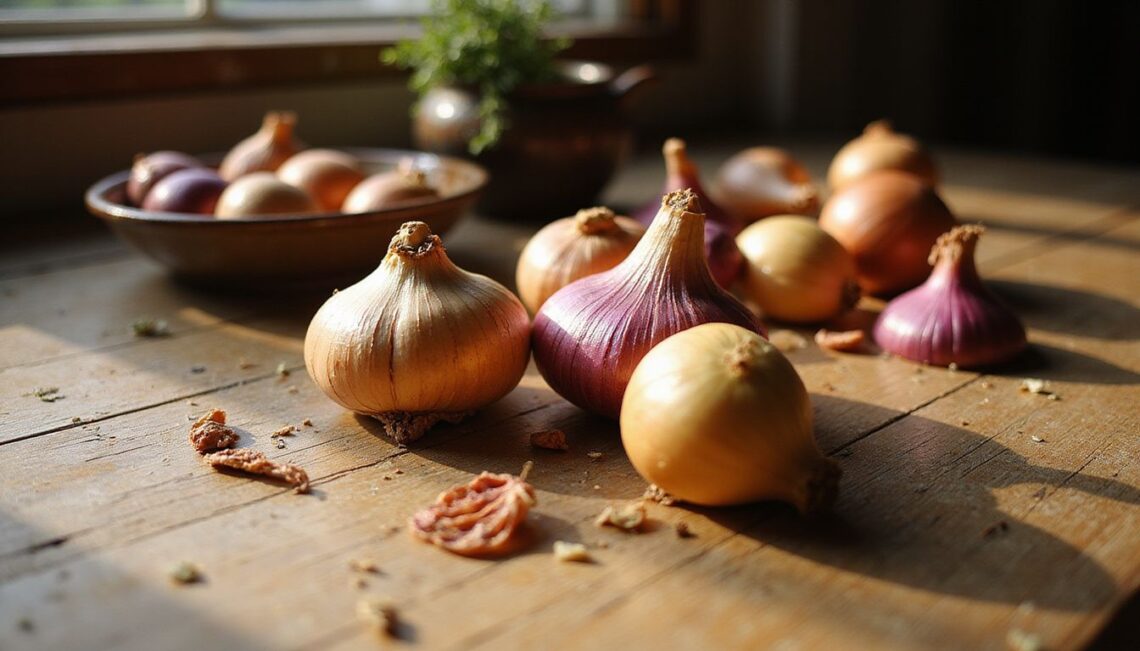
| Size | Smaller bulbs, often multi-clove | Larger, single bulb |
| Storage Life | Lasts longer, up to 6 months | Shorter shelf life, about 2-3 months |
Both are valuable in their unique ways, but the gentler taste and greater nutrient levels make shallots a preferred choice for specific dishes.
Shallots vs. Yellow Onions
When comparing shallots to yellow onions, there are clear differences in flavor, texture, and culinary use. Here’s a quick breakdown to help clarify how these two varieties compare.
| Feature | Shallots | Yellow Onions |
|---|---|---|
| Flavor | Mild, sweet, and slightly garlicky. Stronger when finely chopped. | Pungent and sharp. Mellow when cooked. |
| Texture | Delicate and smooth. Better for raw dishes. | Firm and crisp. Ideal for hearty recipes. |
| Nutrition | Higher in antioxidants and vitamin A. | Lower in antioxidants but still rich in sulfur compounds. |
| Cooking Use | Great for vinaigrettes, dressings, and fine chopping. | Best for soups, stews, and caramelizing. |
| Popularity | Less common in everyday kitchens. | A staple in most households. |
| Price | More expensive per pound. | Cheaper and widely available. |
Both types offer unique appeal. Shallots are excellent in delicate recipes, while yellow onions are preferred in heartier dishes.
Best Ways to Incorporate Shallots into Your Diet
Shallots are small, yet full of flavor and nutrients. They can add a burst to your meals while improving your health.
- Chop them finely and mix them into fresh salads or dressings. The raw taste adds zest and depth to simple dishes.
- Cook them slowly in butter or olive oil for a sweet and rich topping. Use this on steaks, baked potatoes, or roasted vegetables.
- Mince shallots to improve homemade vinaigrettes. Combine with olive oil, lemon juice, and Dijon mustard for a tangy dressing.
- Roast whole shallots alongside chicken or seafood for a tender side dish. The heat brings out their natural sweetness.
- Add shallots to soups like French onion or broths for extra layers of flavor. Their soft texture blends seamlessly after cooking.
- Sauté with mushrooms for an earthy, aromatic filling in omelets or pasta dishes. Their mild tang pairs beautifully with creamy sauces.
- Bake shallots into savory tarts paired with goat cheese or ricotta. The combination creates a satisfying appetizer or light dinner option.
- Slice thinly and stir-fry with vegetables for an Asian-inspired touch. Soy sauce complements their umami taste perfectly.
- Use crispy fried shallots as garnishes over noodles, rice bowls, or salads for added crunch.
- Blend finely chopped shallots into mashed potatoes instead of garlic for a gentler twist without losing boldness in taste!
Tips for Selecting and Storing Shallots
Shallots are a flavorful addition to healthy meals. Choosing and keeping them right maintains their freshness and taste.
- Select firm bulbs. Avoid any with soft spots, mold, or cuts. They should feel weighty for their size.
- Choose ones with smooth skin. The outer layer should be dry, shiny, and without wrinkles.
- Stay away from sprouting shallots. Sprouts indicate they are older and less fresh.
- Keep them in cool spots. A dry, dark location helps retain their freshness longer.
- Use containers that allow airflow. Mesh bags or baskets work well to prevent moisture buildup.
- Keep them separate from potatoes or bananas, which release ethylene gas that accelerates spoilage.
- Check often for any bad ones. Remove rotting shallots to protect the others.
- Don’t refrigerate whole bulbs if the skin hasn’t been removed; cold can alter their texture.
- Peeled leftovers can be refrigerated if sealed properly in an airtight container.
- For longer storage, freeze chopped shallots in tightly sealed freezer bags or containers.
- Buy only what you need soon to avoid wasting them due to improper storage later!
Conclusion
Shallots are small, but they pack a punch. They provide vitamins, minerals, and antioxidants that support overall health. Their mild taste also makes them easy to enjoy in recipes.
Dr. Linda Carter, a nutritionist with over 20 years of experience, shares her insights on shallots. She holds a PhD in nutritional science from the University of California and has published research on plant-based diets and wellness.
Dr. Carter believes shallots stand apart from other alliums like garlic and onions because of their high antioxidant levels and beneficial compounds.
She explains that quercetin and phenolic acids found in shallots help reduce inflammation while supporting heart health. These compounds work together to combat free radicals in your body, lowering risks associated with chronic diseases like diabetes or cancer.
Regarding safety, Dr. Carter mentions that these bulbs are natural ingredients supported by centuries of scientific understanding. They comply with USDA guidelines as fresh produce without additives or harmful processes during farming.
For daily meals, she suggests adding chopped shallots to salads or stir-fries for a light onion flavor boost without overpowering dishes. Roasting them enhances their sweetness too! This way, you can enjoy their unique benefits in an easy manner every day.
Dr. Carter focuses on their advantages: nutrient-rich content aids digestion; prebiotics benefit gut bacteria; flavors appeal even to selective eaters! However, she notes that costs may occasionally be higher than white or yellow onions due to limited availability.
Her conclusion? Shallots provide exceptional value when considering both taste and nourishment compared with other onions available today—for improved energy and long-term wellness alike!
Read more health articles at ClichéMag.com
Images provided by Deposit Photos, BingAI, Adobe Stock, Unsplash, Pexels, Pixabay Freepik, & Creative Commons. Other images might be provided with permission by their respective copyright holders.