
Last Updated on October 9, 2026 by Cliche
Your ability to move comfortably and function in daily activities depends on the health of bones, muscles, joints, and connective tissues that make up the musculoskeletal system. When parts of this system are injured or develop degenerative changes, everyday movement becomes difficult and quality of life can be significantly affected. Understanding common musculoskeletal conditions and how they can be addressed helps you maintain mobility and function throughout your life. Prioritizing musculoskeletal health is essential for overall well-being.
The Musculoskeletal System and Movement
The musculoskeletal system is more than just muscles and bones. It includes joints, cartilage, ligaments, tendons, and connective tissues that work together to create movement and provide structural support.
Muscles generate movement by contracting and pulling on bones. Muscle strength and endurance affect your ability to perform activities.
Bones provide structural framework and protect vital organs. Bone density and strength affect your ability to withstand stress and maintain good posture.
Joints where bones meet are lined with cartilage that allows smooth movement. Joints include ligaments that provide stability.
Connective tissues including tendons and ligaments connect and support structures, providing stability and transmitting forces.
When any component of this integrated system is damaged or degenerates, the effects ripple through the system. A weakness in one area creates compensatory stress in other areas. A structural problem like misalignment creates abnormal loading patterns that stress tissues unevenly.
Common Conditions That Limit Mobility and Movement
Several musculoskeletal conditions commonly develop and, if not appropriately addressed, progressively limit mobility.
Tendon injuries and chronic tendonitis (covered extensively in other resources) affect movement of the affected joint and spread compensatory stress to other areas.
Degenerative joint disease and osteoarthritis involve wearing away cartilage that lines joints. As cartilage thins, joint surface roughness increases, causing pain with movement, inflammation, and progressive loss of motion.
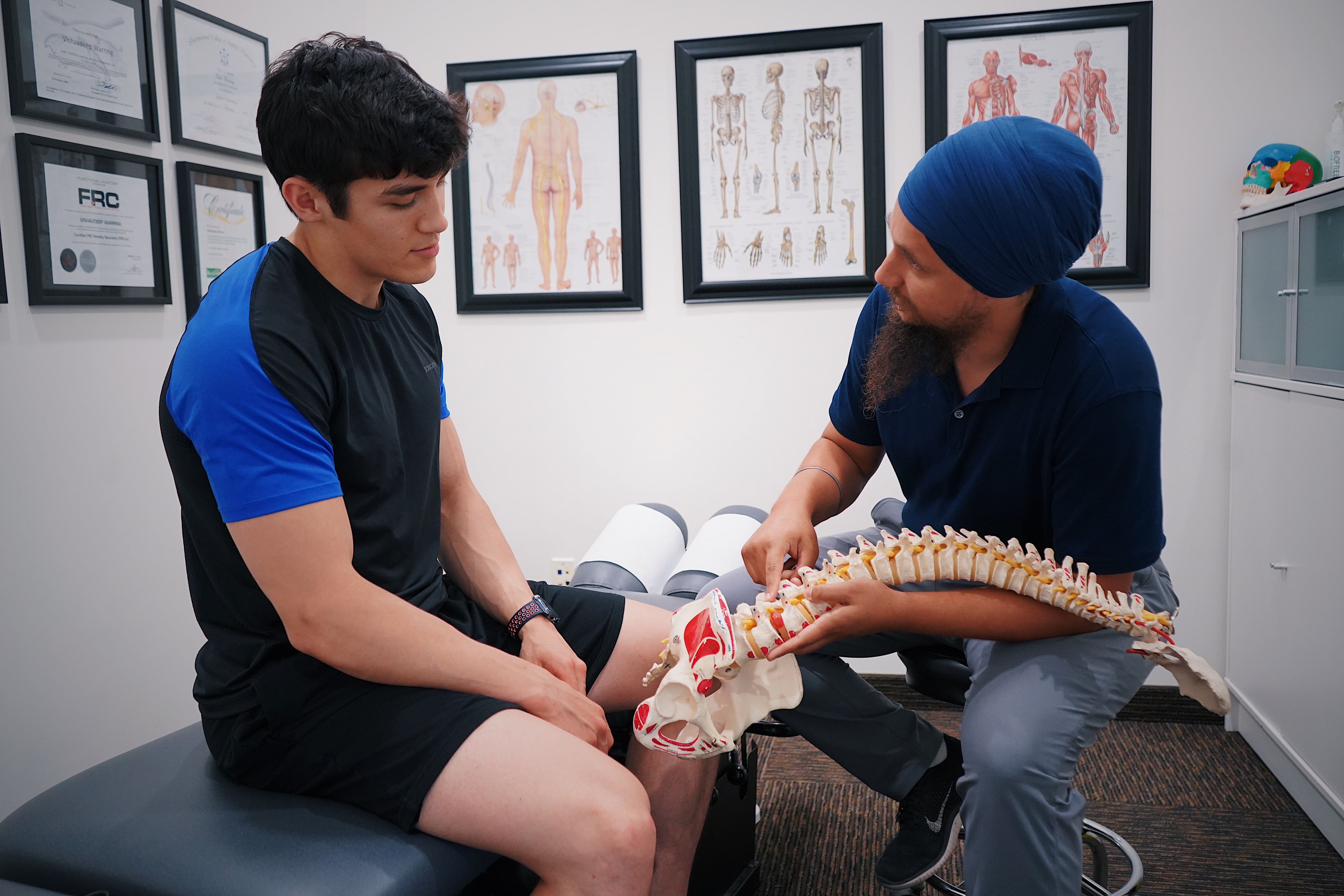
Degenerative disc disease involves age-related changes in spinal discs that cushion vertebrae. As discs dehydrate and lose elasticity, they bulge or herniate, creating nerve irritation and pain.
Muscle weakness and imbalances develop through inactivity, injury, or compensation patterns. Weak muscles create abnormal movement patterns that stress other structures.
Reduced flexibility and range of motion develops gradually through inactivity or can result from injury or joint disease. Limited mobility becomes self-perpetuating because restricted movement leads to greater tightness and weakness.
Spinal conditions including misalignments, stenosis (narrowing of spinal canal), and disc issues affect multiple areas of the body and substantially limit function.
Postural problems including forward head posture, rounded shoulders, or lumbar curvature create chronic stress on structures and eventually trigger pain and functional limitations.
How Degenerative Disc Conditions Develop and Progress
Degenerative disc disease develops gradually as intervertebral discs lose hydration and elasticity over time.
Normal aging changes in spinal discs are natural and don’t necessarily cause problems. Discs gradually lose water content and flexibility, similar to other aging processes.
Accelerated degeneration occurs when discs experience abnormal stress from years of improper movement patterns, poor posture, or high physical demands. Trauma or injury can also accelerate degenerative changes.
Symptoms may include localized back pain, referred pain down the leg if nerve tissue is irritated, weakness or numbness in legs or feet, or progressive loss of mobility.
Progressive effects include increasing pain with certain movements, reduced tolerance for activity, and potential compression of nearby nerve structures creating radiating pain.
For understanding and managing degenerative disc conditions, care for degenerative disc conditions provides professional evaluation and treatment strategies.
How Conditions Develop Through Compensation Patterns
An initial injury or weakness creates a cascade of effects as other areas compensate.
Someone with a weak core experiences increased stress on the low back to maintain posture and movement. This creates back pain, which reduces activity, which worsens core weakness, creating a self-perpetuating cycle.
A shoulder rotator cuff weakness changes shoulder movement patterns. Other muscles compensate, creating overuse injuries in those structures. Neck and upper back become involved in compensating for shoulder weakness.
Recognizing and addressing these compensation patterns is essential for lasting improvement.
Recovery and Rehabilitation Strategies
Effective recovery from musculoskeletal conditions typically requires addressing multiple aspects of the system.
Pain management in the acute phase allows you to function and participate in rehabilitation. This might include activity modification, ice or heat, or other approaches.
Targeted strengthening addresses specific weaknesses contributing to the condition. Strengthening weak muscles reduces abnormal compensation patterns.
Flexibility and mobility work restores range of motion and reduces the tightness that creates abnormal movement patterns.
Postural correction addresses alignment issues that create chronic stress. Correcting posture might be the most important factor in many conditions.
Movement pattern retraining teaches your body more efficient, less stressful movement patterns. This is particularly important for conditions caused by repetitive improper movements.
Activity modification and gradual progression allow gradual return to function without re-injury or recurrence.
Lifestyle factors including sleep, stress management, and activity levels all affect recovery.
When Professional Assessment Becomes Important
Professional evaluation helps identify specific problems and appropriate treatment strategies.
Persistent pain that limits function warrants assessment to identify what’s causing the problem.
Multiple areas of pain suggest compensation patterns need to be addressed. One area of pain might be causing altered movement that creates pain elsewhere.
Declining mobility over time indicates progressive problems need attention before they become limiting.
Uncertainty about appropriate recovery strategies is common. A professional can recommend specific exercises and activities supporting your recovery.
For comprehensive assessment and treatment planning, support for tendon injury recovery is one source, though many conditions require broader assessment.
Maintaining Long-Term Musculoskeletal Health
Maintaining musculoskeletal health throughout your life requires consistent attention to strength, mobility, and movement quality.
Regular movement that addresses all components of fitness including strength, flexibility, and cardiovascular endurance maintains musculoskeletal health.
Postural awareness throughout daily activities prevents chronic stress accumulation.
Appropriate progression in activity levels prevents overuse injuries.
Early attention to developing problems prevents them from becoming chronic and limiting.
Stress management and sleep support healing and reduce tension patterns.
Conclusion
Musculoskeletal health affects your ability to move and function throughout daily life. Common conditions including degenerative disc disease, tendon injuries, muscle weakness, and postural problems progressively limit mobility if not appropriately addressed. Recovery requires addressing the specific problems contributing to your condition through targeted rehabilitation, movement retraining, and lifestyle modifications. Professional assessment helps identify what’s contributing to your condition and what specific approaches will support your recovery. Whether managing conditions yourself or with professional support, understanding the musculoskeletal system and addressing problems early maintains mobility and function throughout your life.
Read more health articles at ClichéMag.com
Images provided by Deposit Photos, BingAI, Adobe Stock, Unsplash, Pexels, Pixabay Freepik, & Creative Commons. Other images might be provided with permission by their respective copyright holders including AI generators.