
Last Updated on September 22, 2026 by Cliche
Body confidence has become a more nuanced conversation than the old idea of chasing a single ‘perfect’ shape. For many people, feeling comfortable in clothes, enjoying movement and looking after their health matter more than matching an edited image on a screen. At the same time, it is normal to have a small area of the body that feels out of proportion or stubborn despite consistent habits. This is the space in which non-surgical contouring treatments, including cryolipolysis, are often considered. The key is to approach them as optional tools for targeted cosmetic goals rather than as shortcuts to health, happiness or a different life.
Body confidence is not the same as body perfection
A modern body-confidence plan starts with a useful question: what would actually make you feel more at ease in your own skin? The answer might be improving fitness, finding clothes that fit better, changing a routine that leaves you tired, or simply becoming less critical of normal body variation. For some people, it may also include addressing a localised pocket of fat that has remained relatively unchanged while the rest of their body has responded to lifestyle changes. None of these goals has to cancel out the others. Cosmetic treatment can coexist with body acceptance when the expectation is proportionate and self-directed.
That distinction matters because no cosmetic procedure can guarantee confidence. Confidence is influenced by relationships, health, work, sleep, stress and how we speak to ourselves, not just by measurements or photographs. A treatment is therefore best viewed as one small part of a broader plan. If the hope is that changing one area will fix every insecurity, a consultation should slow the process down rather than accelerate it. A responsible practitioner should be comfortable saying that a treatment may not be the right answer.
What cryolipolysis is designed to do
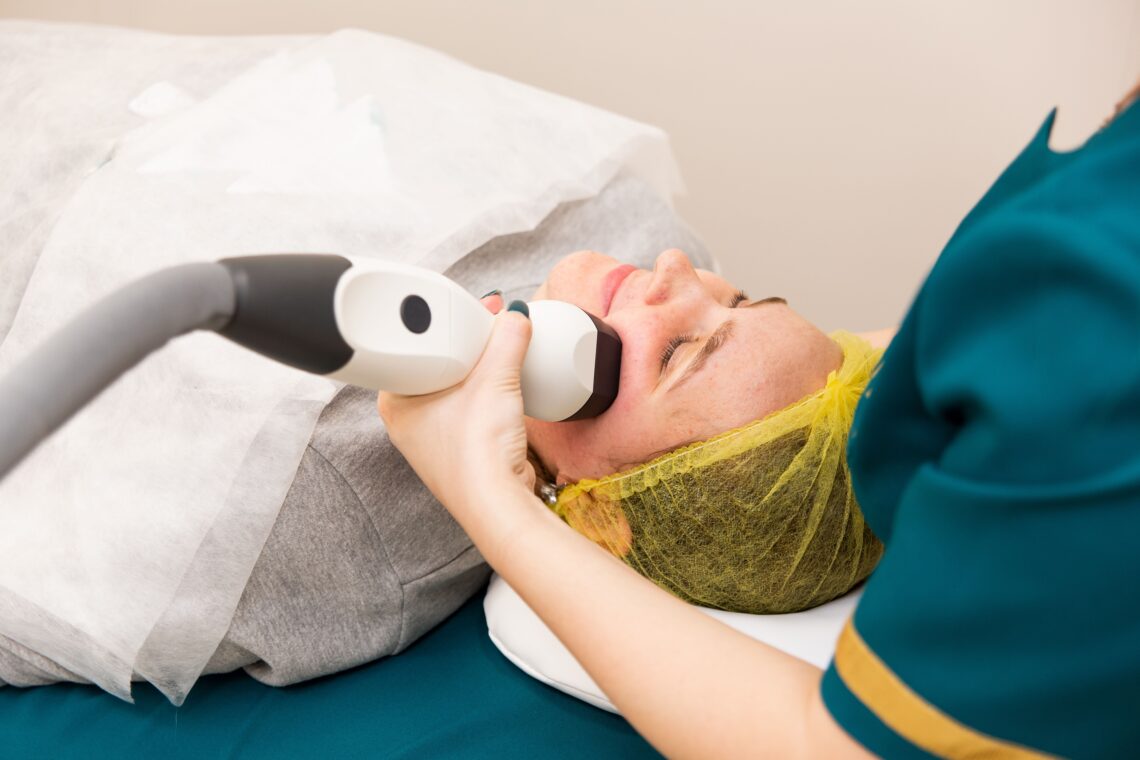
Cryolipolysis is commonly known as fat freezing. It is a non-invasive body-contouring approach that uses controlled cooling on a selected area of pinchable fat. The intention is to affect fat cells in the treated area so that the body gradually clears them over time. It is not liposuction: there are no surgical incisions and tissue is not physically suctioned out. It is also not a weight-loss treatment and should not be presented as a way to treat obesity or deliver the health benefits associated with losing weight.
That makes patient selection central to the process. Someone seeking a modest change to a defined area may have a very different conversation from someone hoping to lose several stone or dramatically tighten loose skin. The treatment may be considered for areas such as the abdomen, flanks or other suitable localised deposits, but the exact applicator, positioning and plan depend on anatomy, the device being used and the provider’s assessment. Not every area that looks ‘full’ is caused mainly by subcutaneous fat, so an in-person assessment can prevent the wrong problem being treated.
Where cryolipolysis can fit
For someone already living in London and looking at non-surgical fat reduction near Baker Street, the most useful starting point is not a price list but a consultation that connects the treatment to a realistic personal goal. A good plan should identify the specific area being discussed, the change the person hopes to see, whether the tissue can be treated appropriately and what a reasonable timeline might look like. It should also cover medical history, medications, previous procedures and any factors that could make treatment unsuitable.
This is where the idea of a ‘body-confidence plan’ becomes practical. Instead of booking a treatment because a social-media post made it look effortless, the person can decide what is already working in their routine and what they want the treatment to add. If they are strength training, walking more or improving nutrition, those habits remain valuable regardless of whether they proceed. Cryolipolysis is not a replacement for them. It can only address a limited cosmetic target; it cannot improve cardiovascular fitness, blood sugar control or overall health in the way sustainable lifestyle changes can.
Healthy expectations make better decisions
One of the most important parts of any aesthetic consultation is translating a vague wish such as ‘I want a flatter stomach’ into something measurable and realistic. Is the concern a small lower-abdominal bulge, overall body weight, skin laxity, bloating, posture or a combination of these? Different concerns require different strategies. When a clinic explains what the treatment is not designed to do, that is a positive sign rather than a lack of enthusiasm.
Results also vary. Two people can receive treatment to a similar area and have different responses because bodies are not identical. The starting thickness of the fat layer, anatomy, treatment plan and individual biological response can all influence the visible outcome. Changes develop gradually rather than appearing the moment an applicator is removed. That means before-and-after assessment should allow enough time and should use comparable photographs, positions and lighting rather than relying on an immediate mirror check.
Think in terms of refinement, not reinvention
A useful mental model is refinement. Non-surgical contouring tends to make the most sense when someone is looking for a targeted change rather than a complete transformation. The goal might be to soften the outline of a small bulge, make a waistband sit more comfortably or create a more balanced silhouette. Framing the objective this way reduces the pressure to chase an unrealistic result and makes it easier to judge whether treatment has been worthwhile.
The consultation is part of the treatment
A consultation should do more than confirm that an appointment slot is available. It should be a two-way discussion in which the practitioner learns about the client and the client evaluates the practitioner. Questions about training, experience with the device, typical side effects, aftercare and what happens if the expected result is not achieved are entirely reasonable. A responsible provider should also explain the sensations that can occur during and after treatment and the risks relevant to the technology being used.
Medical screening is equally important. The person performing the treatment needs accurate information, even if a condition or medication seems unrelated to a cosmetic concern. Certain conditions, implanted devices or skin problems may alter what is appropriate. If there is uncertainty, treatment should be delayed until the issue can be clarified. A consultation that ends with ‘not today’ can be a sign that screening is being taken seriously.
Give yourself room to decide
Cosmetic decisions are better when they are not rushed. There should be space to consider the information, compare providers and decide whether the expected benefit is worth the cost and time. Pressure tactics, countdown discounts or promises that a dramatic result is guaranteed should raise questions. A thoughtful provider will usually be more interested in suitability than in turning every enquiry into a same-day treatment.
Planning around real life
Non-surgical does not mean consequence-free. Many people choose cryolipolysis because it can often be fitted around work and normal routines, but the treated area may feel tender, numb, swollen, bruised or sensitive for a period afterwards. Individual experiences differ, so it is sensible to avoid scheduling a first treatment immediately before a major event, a long journey or an occasion when even mild discomfort would be inconvenient.
Practical planning also includes clothing and travel. Loose, comfortable clothing may feel preferable after an abdominal treatment. If someone is travelling into central London, they should think about how they will get home and whether they want to walk, use public transport or drive. Convenience is not merely a luxury: a clinic that is straightforward to return to can make follow-up, questions and repeat assessments easier.
Aftercare is about sensible support, not miracle tricks
Aftercare advice should be clear and specific to the device and treatment delivered. Clients should know which temporary effects are expected, how long they may last and what symptoms warrant contacting the clinic. They should also be told whom to contact if they are worried. Vague advice such as ‘drink loads of water and the fat will melt away’ oversimplifies a biological process and can create the wrong impression about how treatment works.
A balanced approach is to return to normal healthy habits as advised, stay attentive to the treated area and avoid doing anything that the practitioner has specifically discouraged. Maintaining a broadly stable weight can also make cosmetic changes easier to judge over time. If someone gains or loses a substantial amount of weight between photographs, it becomes harder to separate the effect of a local treatment from whole-body change.
How to judge progress without obsessing over it
Constant checking can make gradual changes difficult to see. A better approach is to agree on a sensible review point and use consistent evidence. Photographs taken in the same place, at the same distance, with similar clothing and posture can be more informative than daily mirror checks. Measurements may also be useful when taken consistently, although normal fluctuations mean a single number should not be treated as a verdict.
This is also why reputable before-and-after photography matters. Images should help a client understand the range and subtlety of outcomes, not act as a promise. Look for consistent lighting and angles, and ask how long after treatment the ‘after’ image was taken. If every photograph appears to show an extreme transformation, it is reasonable to ask how the images were produced and whether other changes occurred during the same period.
A body-confidence plan should still work if you skip the treatment
Perhaps the most useful test is this: would the rest of your plan still be worthwhile if you decided not to have cryolipolysis? If the answer is yes, the foundations are probably in the right place. Movement, nutritious food, sleep, stress management, social connection and clothes that make you feel comfortable are not consolation prizes; they are the parts of a routine that affect daily life most consistently.
A non-surgical treatment can then be considered on its own merits. Is the target area suitable? Are the expected changes modest and meaningful to you? Do you understand the risks, cost, timeline and aftercare? Do you trust the practitioner’s judgement even if that judgement includes saying no? Those questions protect against impulse decisions and help turn an aesthetic procedure into an informed choice rather than an emotional purchase.
Another useful part of the plan is deciding how you will recognise success without moving the goalposts. Write down the concern that brought you to the consultation and the level of change that would feel worthwhile. Once a result is reviewed, compare it with that original goal rather than immediately searching for a new flaw. Aesthetic treatments can become less satisfying when every small improvement simply creates pressure to treat the next area. Keeping the original reason visible helps protect a confidence-first mindset.
A useful final check is emotional as well as practical. If you feel panicked about booking, keep comparing your body with strangers online or believe the treatment must produce a perfect result, more time may be more helpful than another appointment. Cosmetic choices tend to be easier to live with when they come from curiosity and proportion rather than urgency. Give yourself permission to decide that a treatment is interesting without deciding that you need it.
It is also worth remembering that bodies change naturally over time. Hormones, age, stress, sleep and routine can all alter how clothes fit or where fullness appears. A treatment plan should therefore be judged in the context of a living, changing body rather than an idealised still image.
You can also decide in advance how much time and money you are comfortable spending. Setting that boundary before a consultation makes it easier to resist unnecessary add-ons and to judge the proposed plan on its own merits. Confidence should not depend on an open-ended sequence of treatments.
The confidence-first conclusion
Cryolipolysis can have a place in a modern approach to appearance, but it works best when its role is kept in proportion. It is a targeted cosmetic option, not a health treatment, weight-loss method or guarantee of self-esteem. The most satisfying decisions tend to begin with realistic goals, a careful consultation and respect for individual variation. When a person already values their wellbeing and sees treatment as an optional refinement, they are in a stronger position to decide whether it genuinely belongs in their body-confidence plan.
Read more lifestyle articles at ClichéMag.com
Images provided by Deposit Photos, BingAI, Adobe Stock, Unsplash, Pexels, Pixabay Freepik, & Creative Commons. Other images might be provided with permission by their respective copyright holders including AI generators.