
Last Updated on July 2, 2026 by Cliche
Business events are often judged on tangible outcomes: leads generated, partnerships formed, ideas exchanged. But ask attendees what they actually remember, and the answer is usually less technical. They remember the mood in the room. They remember whether the event felt flat or alive, awkward or effortless, forgettable or worth talking about the next day.
That atmosphere does not happen by accident. It is built, moment by moment, through timing, pacing, sound, and social cues. This is where a professional DJ can have a much greater impact than many organisers expect.
For some planners, music is still treated as an afterthought, something added near the end of the checklist once the venue, agenda, and catering are locked in. In reality, it plays a central role in how people interact with a space and with one another. A skilled DJ is not simply filling silence. They are actively shaping energy.
Why Energy Matters More Than Most Event Planners Realise
Corporate audiences are different from nightclub crowds, but they are no less responsive to environment. People arriving at a conference reception, awards dinner, networking evening, or product launch are constantly taking signals from the room. Is this formal? Relaxed? High-status? Collaborative? Celebratory?
Music helps answer those questions immediately.
The right soundtrack can ease guests into conversation as they arrive, prevent dead air between programme segments, and maintain momentum when attention begins to dip. It can also smooth over the transitions that often make business events feel clunky: registration to welcome drinks, dinner to speeches, speeches to socialising.
When that flow is missing, attendees notice it even if they cannot quite explain why. The room feels fragmented. People drift to their phones. Networking becomes harder work.
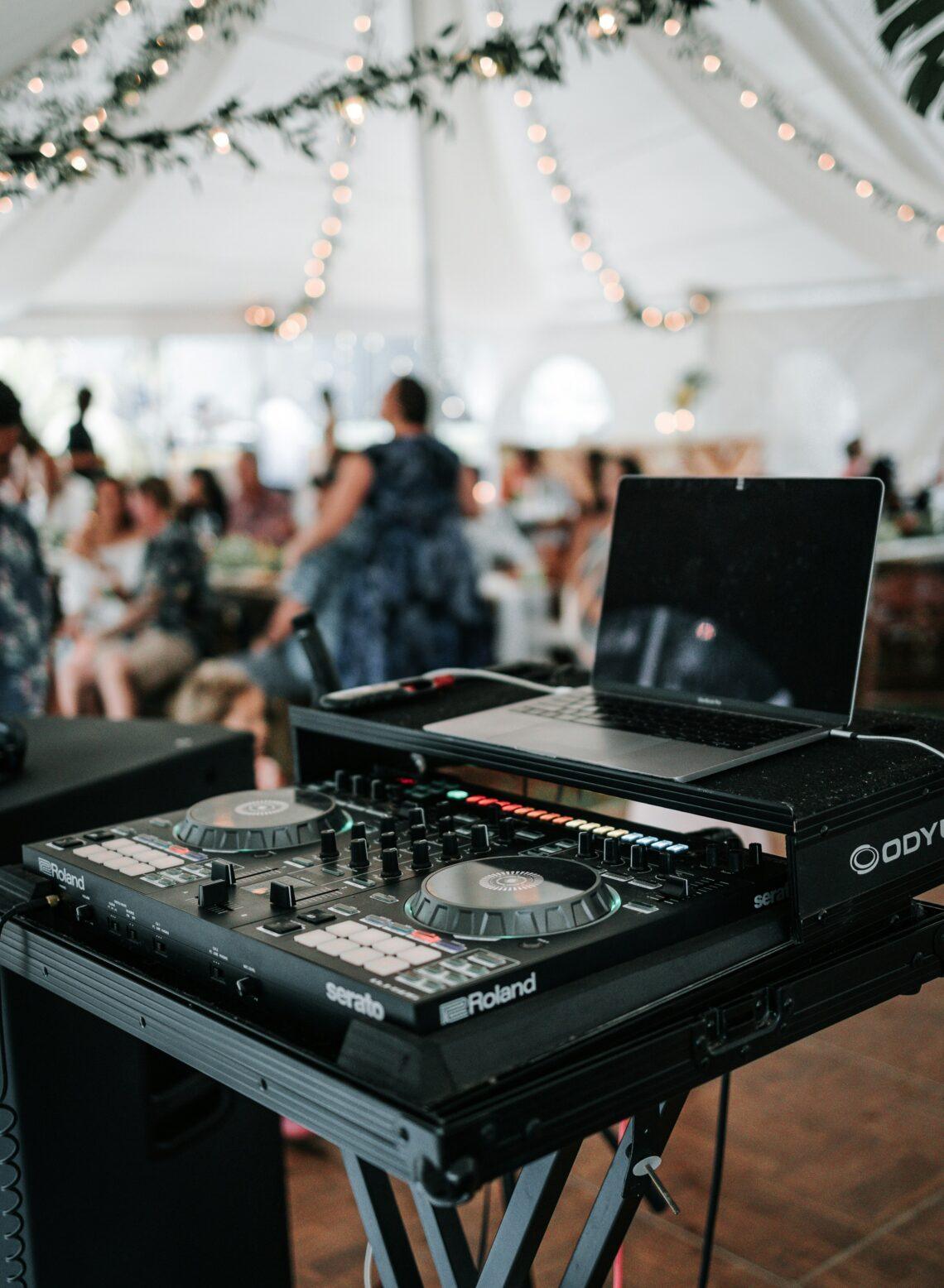
A DJ Does More Than Play Songs
This is the key distinction. Anyone can assemble a playlist. A professional DJ reads the room in real time and adjusts accordingly.
That means watching body language, noticing when conversation is building naturally, recognising when the energy needs lifting, and understanding when not to overpower the space. In business settings especially, restraint matters just as much as impact. A DJ who knows the corporate environment understands that the goal is rarely to dominate attention. It is to support the event’s purpose.
That level of sensitivity is why many organisers now look specifically for professional corporate entertainment and event music services rather than relying on generic music solutions. The difference lies in curation, timing, technical skill, and a clear sense of audience.
How DJs Influence Engagement Throughout an Event
Setting the tone from the first minute
First impressions at business events are formed quickly. As guests enter, they are deciding how comfortable they feel, how polished the event seems, and whether they want to engage. Music shapes that opening mood more effectively than most visual details.
A smart DJ will choose tracks that reflect the brand, audience profile, and event objective. A finance-sector awards evening may call for sleek, understated sophistication. A creative industry launch might benefit from something more current and upbeat. The music does not need to be loud to be influential.
Supporting better networking
Many people find networking unnatural at first, particularly at larger events where they know only a handful of attendees. Music helps by creating a shared atmosphere and reducing the social pressure of silence.
There is a sweet spot here. If the volume is too low, every pause in conversation feels exposed. Too high, and people give up trying to talk. Professional DJs understand how to strike that balance and how to shift it as the room evolves.
In practical terms, this can lead to:
- longer guest dwell time
- more fluid conversation between groups
- stronger turnout at post-programme receptions
- a more positive emotional association with the event overall
Maintaining momentum between formal segments
The agenda may be the backbone of a business event, but transitions are where energy is often lost. After a keynote, before an award reveal, during room resets, or as dinner service ends, the atmosphere can drop suddenly.
A DJ can bridge those moments so they feel intentional rather than awkward. This keeps attendees emotionally engaged instead of mentally checking out. It also makes the event feel more professionally produced, even when the audience is not consciously thinking about the music at all.
The Psychology Behind the Experience
There is a reason music has such an outsized effect on group dynamics. It influences pace, anticipation, memory, and emotional state. In event settings, it can subtly encourage guests to relax, focus, celebrate, or connect.
This matters because engagement is not purely intellectual. You can deliver excellent content, but if the room feels cold or disjointed, people absorb less of it. By contrast, when attendees feel energised and comfortable, they are more likely to participate, stay longer, and leave with a favourable impression.
For internal company events, that can translate into stronger team cohesion and better morale. For external events, it can influence brand perception, client relationships, and follow-up opportunities.
What Makes a DJ Right for a Corporate Event?
Commercial awareness
The best corporate DJs understand brand fit. They know that music choices send signals about professionalism, relevance, and audience awareness. They can work within a brief while still responding naturally to the room.
Technical reliability
Business events leave little room for error. Audio issues, poor transitions, or inappropriate track choices can undermine the whole experience. Experienced professionals come prepared, coordinate with production teams, and manage logistics without becoming the centre of attention.
Flexibility under pressure
Schedules shift. Speeches overrun. VIP arrivals happen late. A corporate DJ needs to adapt without making those changes feel disruptive. That flexibility is often what separates a polished event from one that feels improvised.
Final Thoughts
A professional DJ will not replace strong content, thoughtful planning, or good hospitality. But they can amplify all three. They help create the conditions in which people feel present, connected, and ready to engage.
That is why music should be treated as part of the event strategy, not just the entertainment line item. When handled well, it influences how people move through the space, how they interact with others, and how they remember the event afterwards.
And in a crowded business landscape where experience matters more than ever, that kind of influence is anything but incidental.
Read more entertainment and music articles at ClichéMag.com
Images provided by Deposit Photos, BingAI, Adobe Stock, Unsplash, Pexels, Pixabay Freepik, & Creative Commons. Other images might be provided with permission by their respective copyright holders.