
Last Updated on May 20, 2026 by Cliche
The Growing Demand for Natural-Looking Aesthetic Enhancements
The aesthetic industry has undergone a significant transformation in recent years. Patients are no longer seeking exaggerated cosmetic results or dramatic facial changes. Instead, the modern approach to beauty focuses on subtle enhancement, facial balance, and natural-looking rejuvenation. This shift has elevated standards for aesthetic providers and increased the importance of advanced education within the field.
As non-surgical cosmetic procedures continue to grow in popularity, patients are becoming more selective about who performs their treatments. They want practitioners who combine technical expertise with artistic judgment, strong communication skills, and a deep understanding of facial anatomy. In response, advanced cosmetic injector training has become a critical component in preparing providers to meet these evolving expectations safely and effectively.
The Evolution of Non-Surgical Aesthetic Medicine
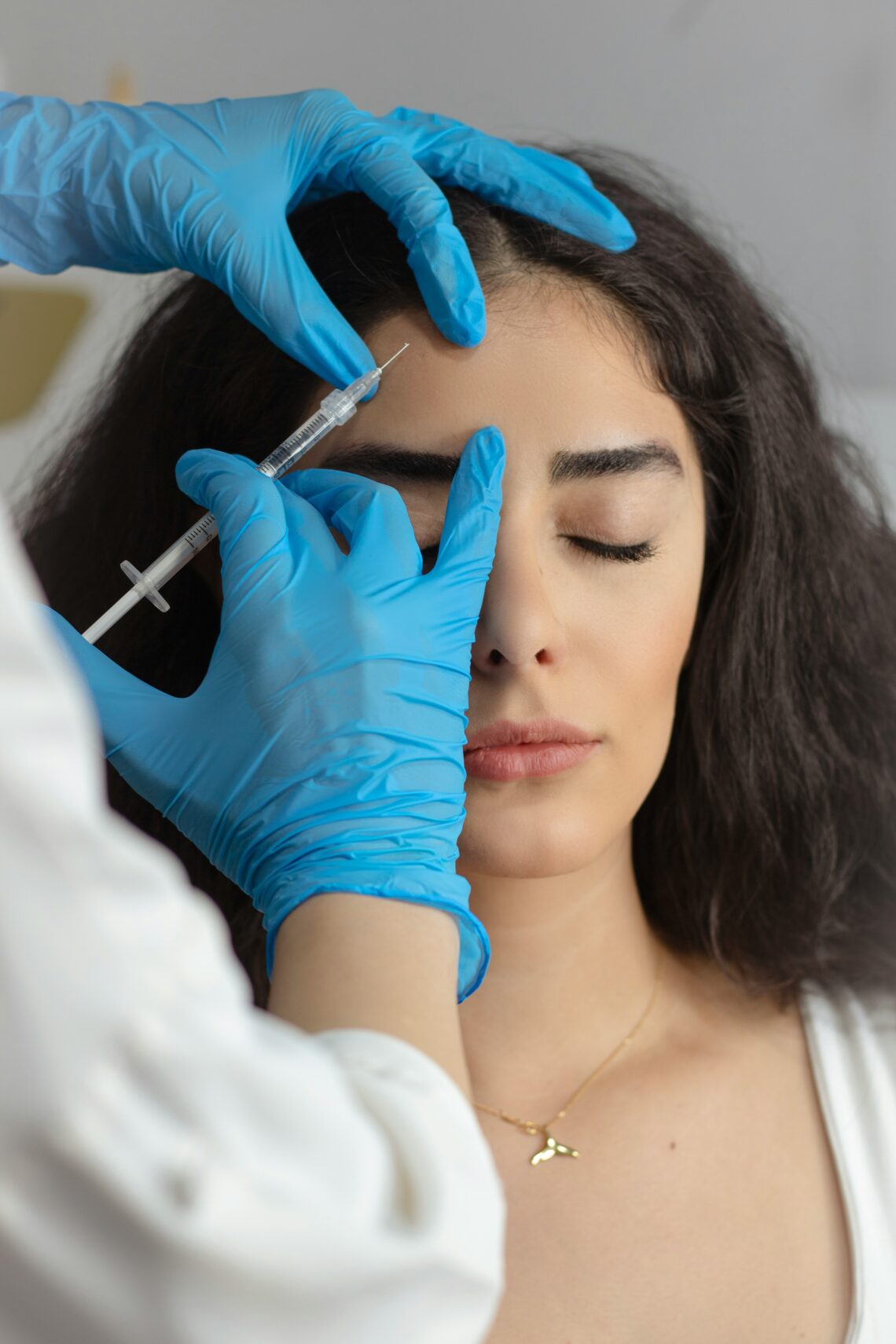
Injectable treatments such as neuromodulators and dermal fillers have become central to modern aesthetic medicine. What was once considered a niche cosmetic service is now widely integrated into medical spas, dermatology practices, dental offices, and wellness clinics.
This rapid industry growth has created a greater need for standardized education and clinical competency. Patients today expect treatments that enhance their appearance without compromising natural facial movement or symmetry. Delivering these results requires far more than basic product knowledge. Providers must understand facial structure, patient assessment, individualized treatment planning, and complication management.
As aesthetic medicine becomes increasingly sophisticated, professional training is evolving alongside it to support higher clinical standards and safer patient outcomes.
Why Advanced Cosmetic Injector Training Matters
Modern aesthetic treatments require precision, restraint, and sound clinical judgment. A successful injector must evaluate facial proportions, understand age-related volume loss, and create treatment plans that align with each patient’s unique anatomy and goals.
This is why comprehensive cosmetic injector training plays such a vital role in professional development. Structured education programs provide practitioners with foundational knowledge in anatomy, injection techniques, safety protocols, and patient consultation strategies. More importantly, they help providers develop the decision-making skills necessary to achieve balanced, natural-looking results.
Advanced training also contributes to improved patient safety. Proper technique and anatomical awareness can significantly reduce the risk of vascular complications, asymmetry, product migration, and overcorrection. In a field where precision directly impacts both aesthetics and safety, education remains one of the most valuable investments a provider can make.
The Importance of Anatomy and Injection Precision
Facial anatomy serves as the foundation of safe and effective injectable treatments. Every injection requires an understanding of muscles, blood vessels, fat compartments, and skin structure. Even minor placement errors can affect outcomes or increase the likelihood of complications.
Advanced injector education places strong emphasis on anatomical mapping and precision-based techniques. Providers learn how facial structures change with age and how different injection approaches influence facial harmony. This deeper understanding allows practitioners to create refined enhancements that preserve natural expression rather than alter it.
The most skilled injectors approach aesthetic medicine as both a science and an art form. Technical ability alone is not enough. Providers must also understand proportion, balance, and facial dynamics to deliver results that appear effortless and natural.
Hands-On Clinical Experience Builds Provider Confidence
While theoretical education is essential, practical experience is equally important in aesthetic medicine. Hands-on training allows providers to apply clinical concepts in real-world settings while building confidence in their techniques.
Many advanced programs incorporate supervised live model training, enabling practitioners to refine injection placement, patient communication, and treatment customization under expert guidance. This experience helps bridge the gap between classroom learning and clinical application.
Confidence developed through hands-on education often translates into better patient outcomes. Providers who have trained extensively in supervised environments are generally better prepared to assess facial anatomy, respond appropriately to complications, and adapt treatment plans based on individual patient needs.
How Professional Training Programs Are Elevating Industry Standards
As patient awareness continues to grow, expectations surrounding provider qualifications and treatment quality are increasing as well. The aesthetic industry is steadily moving toward more structured, evidence-based education models that emphasize both patient safety and long-term clinical competency.
Organizational training is contributing to this shift by offering educational programs designed to strengthen injector skill development through anatomy-focused instruction and hands-on experience. These programs help practitioners build the technical and clinical foundation necessary to deliver consistent, patient-centered results.
Educational institutions highlighted the growing importance of formal injectable education in supporting career growth and maintaining professional credibility within the competitive aesthetic market.
Collectively, these programs are helping raise the standard of care across the industry while encouraging a more safety-driven and patient-focused approach to treatment.
The Role of Research and Innovation in Aesthetic Education
The future of aesthetic medicine is being shaped not only by patient demand, but also by ongoing research, innovation, and advancements in clinical education. As new products and techniques emerge, providers must remain committed to continuous learning to stay current with industry best practices.
Clinical research published through resources such as PubMed Central continues to reinforce the importance of anatomical knowledge, injection precision, and evidence-based treatment strategies in improving patient outcomes and minimizing complications.
At the same time, educational trends discussed by organizations how modern training programs are evolving to include advanced simulation methods, updated safety protocols, and more comprehensive clinical instruction.
This continued emphasis on education reflects a broader industry movement toward professionalism, accountability, and higher treatment standards.
The Future of Natural Aesthetic Treatments
The future of aesthetic medicine will likely continue prioritizing subtle enhancement and individualized treatment planning. Patients increasingly value refreshed, healthy appearances over dramatic cosmetic changes, and providers are adapting their techniques accordingly.
Advanced injector education is playing a major role in this transition. Providers with strong anatomical knowledge and refined injection skills are better equipped to create outcomes that preserve natural facial movement and long-term facial harmony.
As aesthetic treatments become more personalized, the industry will continue placing greater value on education, patient safety, and clinical expertise. Providers who invest in ongoing learning will be better positioned to meet the growing demand for sophisticated, natural-looking results.
Conclusion
Advanced cosmetic injector education is reshaping the future of aesthetic medicine. As patient expectations evolve, providers must combine clinical precision, anatomical expertise, and artistic judgment to deliver safe, natural-looking outcomes.
Structured training programs are helping establish higher professional standards across the industry while preparing practitioners for the increasing complexity of modern aesthetic treatments. In a rapidly expanding field driven by innovation and patient awareness, education remains one of the most important factors influencing both treatment quality and long-term provider success.
Read more beauty articles at ClichéMag.com
Images provided by Deposit Photos, BingAI, Adobe Stock, Unsplash, Pexels, Pixabay Freepik, & Creative Commons. Other images might be provided with permission by their respective copyright holders.