
Last Updated on July 23, 2026 by Cliche
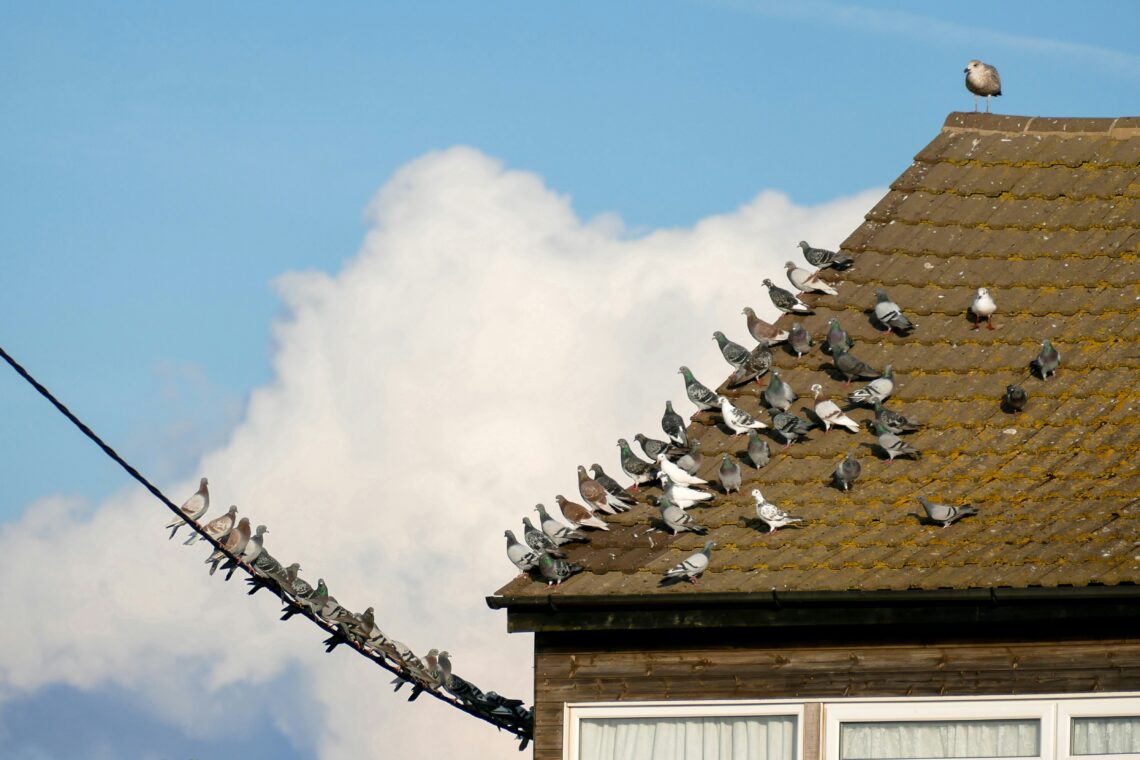
Anyone who manages a building long enough sees the pattern. Birds settle on a ledge, roofline, warehouse beam, or solar array. Droppings build up. Nesting material blocks drainage or ventilation. The area gets cleaned, maybe even disinfected, and for a short while the problem seems solved. Then the birds come back. Effective bird control strategies are necessary to prevent this cycle.
That cycle is frustrating because it creates the illusion of progress. Clean-up deals with the visible mess, but it rarely changes the conditions that attracted birds in the first place. If the structure still offers shelter, warmth, food access, and reliable perching points, the site remains appealing. In many cases, it becomes even more familiar to the flock, making bird control even more challenging.
Prevention breaks that loop. Instead of reacting after a colony has settled in, it reduces the chances of birds establishing themselves at all. That shift matters not just for cleanliness, but for maintenance costs, health risk, and long-term building performance. Implementing effective bird control measures is key to this process.
Why recurring infestations are so common
Bird infestations are rarely random. Most species that cause problems around commercial and residential buildings are opportunistic, adaptable, and highly consistent in their habits. Once they identify a site as safe, they tend to return to it repeatedly.
Birds are drawn to predictable features
Roofs, signage, plant equipment, loading bays, gutters, and sheltered cavities all mimic the natural features birds look for. Flat edges provide ideal perches. Warm mechanical systems offer winter refuge. Covered areas protect nests from weather and predators.
In urban areas especially, birds do not need much encouragement. A few quiet corners and a steady source of food nearby can turn a building into a reliable base. Pigeons, gulls, and starlings all benefit from the way modern buildings are designed, often without anyone realising it.
Nesting creates site loyalty
Once birds have nested successfully at a property, the odds of return rise sharply. That is partly behavioural. Birds remember locations that worked before. It is also practical. Droppings, feathers, and nesting debris can create scent and visual cues that reinforce the site as established territory.
This is why infestations often feel as if they “suddenly” reappear. They are not new problems at all. They are the continuation of an old one that was never fully interrupted.
Clean-up treats the evidence, not the cause
Professional clean-up is important. Droppings can corrode surfaces, damage machinery, contaminate stock, and create slip hazards. Nest debris can block drainage and increase fire risk. In some settings, sanitation is non-negotiable.
But clean-up alone is not a prevention strategy. It restores conditions after damage has happened; it does not stop the next round.
A useful way to think about it is this: if a property repeatedly needs bird waste removed, the real issue is not hygiene. It is access. That is exactly why bird prevention is better than property clean-up. The most effective approach is to stop birds from settling before waste, nesting, and contamination escalate into a maintenance problem.
Reactive clean-up can become expensive in ways that are easy to underestimate. The direct invoice is only part of it. There is also:
- disruption to operations or tenants
- accelerated wear on roofs, facades, and equipment
- repeat labour for maintenance teams
- reputational damage when entrances, signage, or customer-facing areas look neglected
When the same zones need attention every season, the property is sending a clear message: the underlying conditions have not changed.
What effective bird prevention actually looks like
Prevention is sometimes misunderstood as a single product or quick fix. In reality, it works best when it matches the building, the species involved, and the way the space is used.
Physical exclusion is often the most reliable option
Where birds are entering voids, rafters, or plant areas, exclusion measures are usually the strongest long-term solution. Netting, mesh, and proofing around access points physically remove the opportunity to roost or nest.
This matters because deterrents alone can lose effectiveness if birds have already claimed a site. Once nesting behaviour starts, a stronger barrier is often needed.
Perch control changes how a site functions
Ledges, parapets, beams, and signage are common staging points. By modifying or protecting those surfaces, you change the building’s usability from the bird’s perspective. If there is nowhere stable to land or settle, birds are less likely to invest time in the area.
The best prevention systems do not just chase birds away for a day. They make the property consistently inconvenient.
Timing matters more than many owners realise
Bird control becomes harder once nesting season is underway. At that stage, legal and practical constraints often narrow the available options. Early intervention is simpler, safer, and usually less disruptive.
That makes routine inspection surprisingly valuable. A small amount of nesting material in a gutter or under a canopy may not look urgent, but it is often the first sign of a recurring issue taking hold again.
Prevention works best when it is part of building management
Bird issues are often treated as isolated incidents, yet they sit at the intersection of maintenance, compliance, hygiene, and asset protection. A property manager who only thinks about birds after complaints come in is already behind the problem.
Start with recurring hotspots
Look for patterns rather than one-off mess. Are the same roof corners affected every spring? Do certain entrances need cleaning more often than others? Does one section of plant equipment attract repeat roosting? Those trends reveal where proofing will have the greatest impact.
Pair clean-up with follow-up action
Clean-up still has a role, but it should be the first step in a longer plan, not the entire plan. Once waste and debris are removed, assess why birds used the area and what physical changes would prevent reoccupation. Otherwise, clean surfaces simply become clean surfaces that birds can foul again.
Breaking the cycle means changing the environment
Recurring infestations persist because the property keeps offering the same invitation. Birds are not being stubborn; they are responding rationally to shelter, height, warmth, and familiarity.
That is why prevention is so powerful. It shifts the focus from symptoms to conditions. Instead of repeatedly paying to undo the consequences, you reduce the opportunity for those consequences to happen at all.
For building owners and managers, that is the real long-term win. A cleaner property matters, of course. But a property that stops attracting infestations in the first place is easier to maintain, safer to operate, and far less likely to end up in the same costly cycle next season.
Read more lifestyle articles at ClichéMag.com
Images provided by Deposit Photos, BingAI, Adobe Stock, Unsplash, Pexels, Pixabay Freepik, & Creative Commons. Other images might be provided with permission by their respective copyright holders including AI generators.