
Last Updated on January 6, 2026 by Cliche
Though sleep really ought to be simple, anxiety and sleep are more connected than we admit. You get into bed, shut off the lights, and let your body do its thing. For a lot of people, though, it’s not so easy. The mind won’t quit, the body feels restless, and the hours crawl by. We’ve known for ages that anxiety and bad sleep go hand in hand, but these days, people talk about it more openly—and the research is finally catching up, too, showing just how complicated that relationship is.
Thing is, this link isn’t about full-blown panic attacks or obvious distress. Most of the time, it’s quieter: a steady hum of tension, thoughts that won’t stop replaying, or that weird state where you feel tired but just can’t fall asleep. When you start to understand how anxiety tangles up with sleep, those endless nights feel less like some personal mystery and more like something you can actually deal with.
When Your Nervous System Won’t Shut Off
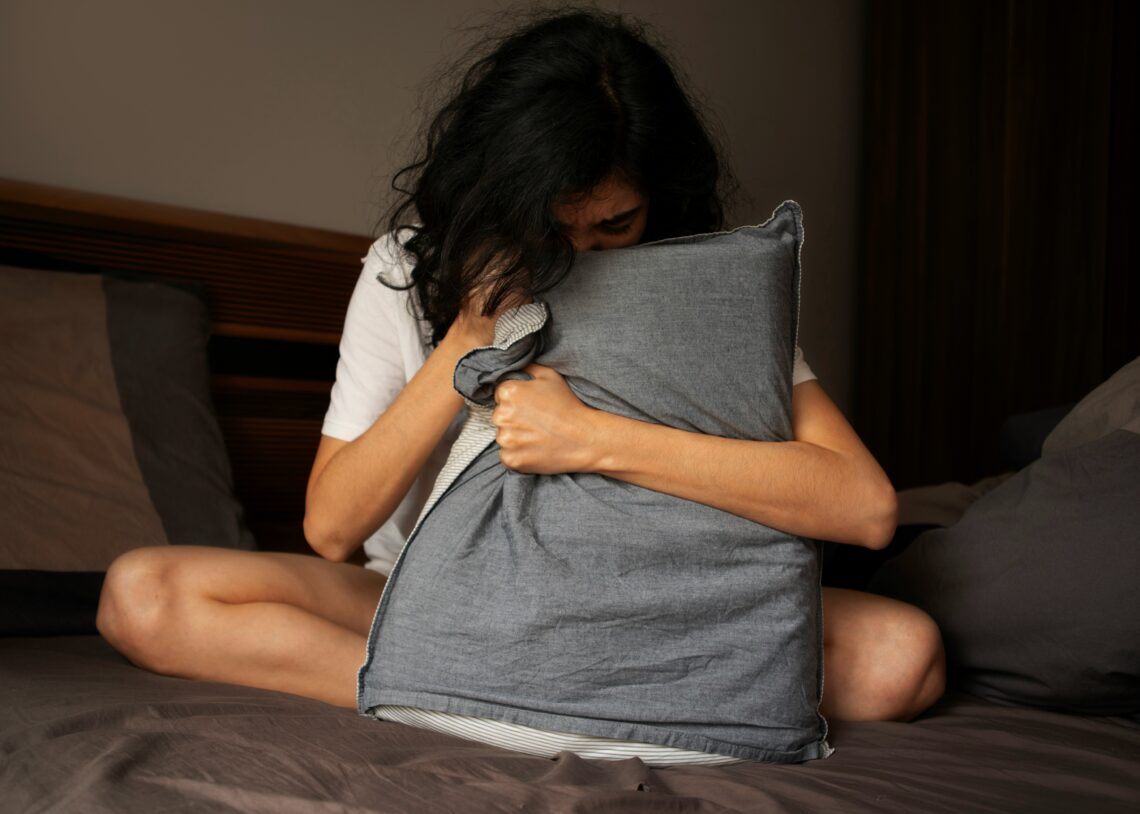
Anxiety has this knack for keeping your nervous system stuck in high gear. Even if you’re wiped out, your mind keeps scanning for problems, rerunning old conversations, or rehearsing tomorrow’s to-do list like you signed up for a play you never wanted to be in.
This isn’t some personal failing or a lack of willpower. It’s just how our brains work. Anxiety fires up the sympathetic nervous system—the part that keeps you alert. But to sleep, you need the opposite: calm, comfort, predictability. If you can’t make that switch, falling asleep feels like trying to roll downhill with your brakes jammed on.
Over time, your body starts to expect tension at night instead of rest. The bed stops feeling like a refuge and starts feeling like work, which just adds to the frustration.
The Restless Loop
Bad sleep doesn’t just trail behind anxiety—it makes it worse. Less sleep leaves you more sensitive, less patient, and everyday stuff suddenly feels heavier than it should. Pretty soon, you’ve got a feedback loop. Anxiety messes up your sleep. Crummy sleep ramps up your anxiety the next day.
It’s not always obvious, either. A lot of people power through their days—doing what they need to do—while their sleep debt quietly piles up. Sooner or later, the body calls you out: you’re irritable, you can’t think straight, or you feel on edge for no clear reason.
Breaking out of this loop means you have to work on both sides—not just try to squeeze in more hours in bed.
Why Your Sleep Setup Still Matters
Sure, your mind plays a big role in sleep, but the basics count, too. Light, noise, temperature, and comfort all matter. When you’re already anxious, even little discomforts get magnified.
That’s why experts still talk about things like a good mattress and a steady sleep routine. It’s not about luxury—it’s about taking away anything that gives your brain another excuse to stay on alert. Sometimes, just swapping out a lumpy bed or tweaking your sleep position can make a surprising difference.
No one’s saying you need the perfect setup or a pile of fancy gadgets. The point is to clear away obstacles. Even something as simple as finding a better mattress store—whether you’re in the Bay Area, Portland, or anywhere—can help you rest better, without turning sleep into one more thing to obsess over.
Learning Changes the Game
Learning about anxiety changes how you see your own sleeplessness. When you get what anxiety really is and how it affects your body, you can let go of some of the fear and self-blame that come with being awake at 2 a.m. Realizing those racing thoughts are a normal stress response—not some personal failure—takes the edge off.
That’s where mental health education actually matters. It helps you spot patterns, set more realistic expectations, and react with curiosity instead of just getting frustrated. Knowing anxiety can make it hard to fall asleep or wake you up early lets you try kinder strategies, like winding down sooner or just reminding yourself that being awake in the middle of the night isn’t the end of the world.
Education won’t magically fix everything, but it changes the way you talk to yourself in the middle of those long nights. And sometimes, that’s enough to make things a little easier.
Sleep isn’t about chasing perfection or getting obsessed with the latest gear. Really, it’s about clearing out the stuff that gets in the way. Even something as simple as hunting for the best mattress store in the Bay Area, Portland, or anywhere else—can be part of a bigger goal: getting better rest without turning sleep into some kind of competition.
Once you learn what anxiety actually is and how it messes with your body, the whole relationship with sleep starts to shift. Suddenly, those racing thoughts at 2 a.m. aren’t a personal failure. They’re just your mind reacting to stress, which happens to everyone. That realization takes the edge off.
This is where mental health education stops being just a nice idea and actually makes a difference. You start to notice patterns, set goals that make sense, and respond to your own struggles with curiosity instead of frustration. When you know anxiety can make it harder to fall asleep or causes you to wake up early, you can come up with gentler plans—like starting your wind-down earlier or reminding yourself that being awake at night isn’t some disaster.
Of course, learning about anxiety doesn’t fix everything. Still, it changes that late-night conversation you have with yourself. The tone softens.
There isn’t one magic fix for everyone, and anyone who says otherwise is probably trying to sell you something. But some habits really do help. Sticking to a regular bedtime, finding a calming routine at night, keeping screens and stressful stuff away—these things help your nervous system relax and make sleep feel more predictable.
Daytime matters, too. Getting outside, moving your body, and actually letting yourself rest send clear signals about when to be alert and when to slow down. Anxiety feeds on chaos and overload, but sleep likes rhythm.
You don’t have to get any of this perfect. What actually works is making small changes you can live with, not piling on strict rules that just make you feel worse.
It’s easy to feel frustrated when anxiety and bad sleep team up to make nights miserable, especially if you’ve already tried a bunch of quick fixes that didn’t work. But once you understand how they connect, you can let go of impossible expectations and try something gentler. You can’t force sleep. You create the right conditions, and it comes back on its own.
You haven’t lost the ability to sleep forever, and you’re not broken. Sleep is a basic, biological thing—it responds to safety, steadiness, and patience. When anxiety lets up, even just a bit, your body usually knows what to do.
Read more lifestyle health articles at ClichéMag.com
Images provided by Deposit Photos, BingAI, Adobe Stock, Unsplash, Pexels, Pixabay Freepik, & Creative Commons. Other images might be provided with permission by their respective copyright holders.