
Last Updated on May 1, 2026 by Cliche
There is a certain moment many women reach where something has to give. Life keeps moving, responsibilities do not pause, and yet the weight of addiction starts to interfere with everything that once felt manageable. For women balancing family, work, relationships, and their own mental health, stepping away completely is not always realistic. That is where intensive outpatient treatment, often called IOP, starts to make sense. It offers structure without forcing a full separation from daily life, which can be the difference between avoiding help and actually accepting it.
Flexibility That Fits Real Life
One of the biggest barriers for women seeking help is timing. Walking away from children, careers, or caregiving roles is not a simple decision, and for many, it is not even an option. Intensive outpatient treatment meets women where they are, allowing them to attend therapy sessions while still maintaining their responsibilities.
This flexibility is not just about convenience. It reduces the guilt that can come with stepping away from family or work. Women are often expected to hold everything together, even when they are struggling. Being able to stay present in their own lives while receiving care removes one more layer of pressure, making it easier to stay committed to treatment over time.
Access To Local Support
For many women, location plays a bigger role than they initially expect. Being close to home allows for consistency, which is critical in recovery. Programs exist across the country, and finding one that fits personal needs can make the process feel more manageable. For example, some women look for care options whether that’s an Austin, Texas women’s rehab that provides it, one in Phoenix, Arizona or Philadelphia, Pennsylvania, because proximity often determines whether they follow through or not.
Staying local also means maintaining connections with trusted people. Whether it is a friend, a partner, or a family member, having familiar support nearby creates a stronger foundation. Recovery does not happen in isolation, and being able to return home each day keeps those relationships intact.
Structured Support Without Isolation
Inpatient treatment removes women from their environment completely. That can be helpful in certain cases, but it can also feel overwhelming or even unrealistic. Intensive outpatient programs offer structure without total separation, which many women find more sustainable.
Sessions are scheduled, expectations are clear, and there is accountability built into the process. At the same time, women still navigate their real lives outside of treatment hours. This balance allows them to apply what they are learning in real time, rather than waiting until after discharge to test it out. That immediate application often leads to stronger, more lasting changes.
Focus On Emotional Patterns
Addiction rarely exists on its own. For women, it is often tied to stress, trauma, anxiety, or long-standing emotional patterns that have gone unaddressed. Intensive outpatient treatment creates space to unpack those layers without rushing the process.
Therapy sessions tend to go deeper than surface-level coping strategies. Women begin to recognize triggers, understand how past experiences shape current behavior, and develop healthier ways to respond. This kind of work takes time, and the ongoing nature of IOP allows for that. It is not a quick fix, but it is a more honest one.
Rebuilding Identity And Stability
Recovery is not just about stopping a behavior. It is about figuring out who you are without it. That can feel uncomfortable at first, especially for women who have spent years putting others first or masking their own needs.
This is where rebuilding your life becomes a process that happens gradually, often in small, unremarkable moments. Showing up to sessions, following through on commitments, and learning how to handle stress without falling back into old patterns all contribute to a stronger sense of self.
Over time, confidence starts to return. Decisions feel clearer. Relationships become more stable because they are no longer built around avoidance or survival. It is not dramatic or sudden, but it is real.
Building Healthy Boundaries
Many women in recovery realize that part of what kept them stuck was an inability to set limits with people, expectations, or even their own habits. Intensive outpatient treatment creates space to work through that in a practical way, not just as a concept but as something that shows up in daily life. Saying no without overexplaining, recognizing when something feels off, and choosing not to override that instinct all take practice.
In this setting, women can test those boundaries in real time. They go home, encounter the same dynamics, and come back to talk through what worked and what did not. Over time, this builds a sense of control that feels earned rather than forced. It is not about shutting people out, it is about learning where you end and someone else begins, and protecting that line in a way that supports long-term stability.
Stronger Peer Connections
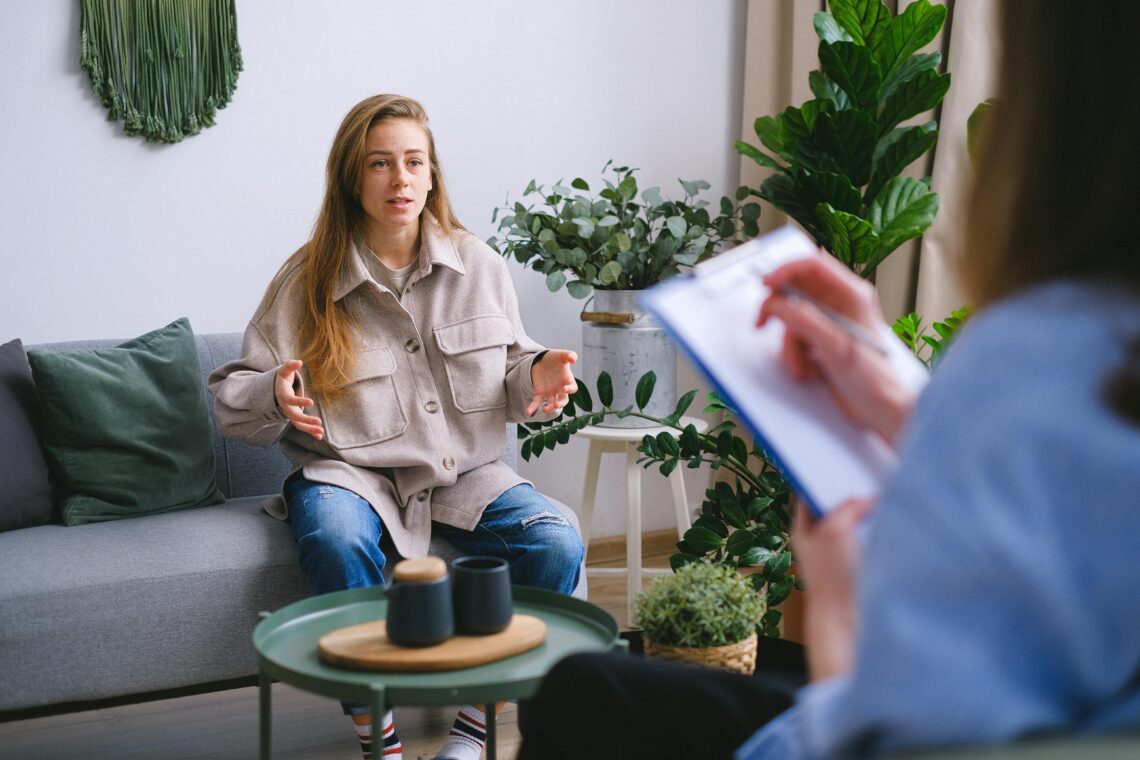
There is something powerful about sitting in a room with other women who understand what you are going through without needing an explanation. Intensive outpatient programs often include group therapy, which creates a sense of shared experience that can be hard to find elsewhere.
These connections do not rely on surface-level conversation. They are built through honesty, vulnerability, and mutual accountability. Women begin to see that they are not alone, and that realization can shift everything. It reduces shame and replaces it with something more useful, which is perspective.
Over time, these relationships can become a steady source of support. Even outside of formal sessions, knowing that someone else is navigating similar challenges makes the process feel less isolating.
Finding A Way Forward
There is no single path that works for everyone, and that is part of the challenge. Intensive outpatient treatment offers a middle ground that many women find both realistic and effective. It does not require disappearing from your life, and it does not ignore the complexity of what you are dealing with. It asks you to show up, consistently and honestly, and gives you the tools to start making changes that actually stick.
Read more lifestyle articles at ClichéMag.com
Images provided by Deposit Photos, BingAI, Adobe Stock, Unsplash, Pexels, Pixabay Freepik, & Creative Commons. Other images might be provided with permission by their respective copyright holders.