
Last Updated on June 2, 2026 by Cliche
Walking your dog on a hot day might feel like a challenge. Did you know that dogs can get heatstroke in temperatures as low as 70°F? This post will show you how to keep your furry friend safe with helpful tips and alternatives for warm days.
Keep reading to protect those paws!
Recognizing When It’s Too Hot to Walk Your Dog

Hot pavement can feel like walking on fire for your dog’s paws. Check the ground temperature and keep their safety in mind before heading out.
Safe temperature thresholds
Taking your dog for a walk on a hot day may seem harmless, but temperature plays a huge role in their safety. Here’s a simple guide to know when it’s safe and when it’s risky:
| Temperature | Risk Level | Summary |
|---|---|---|
| Below 68°F (20°C) | Safe | Walking is generally safe for most dogs. |
| 68°F (20°C) to 74°F (23°C) | Caution | Monitor flat-faced, overweight, or unhealthy dogs. |
| 75°F (24°C) to 84°F (28°C) | Risky | The risk of overheating increases significantly. |
| 85°F (29°C) and above | Dangerous | Too hot, especially for outdoor walks or activities. |
| 90°F (32°C) and above | Extremely Dangerous | Walking is unsafe; heatstroke risk is high. |
Dogs can suffer in temperatures that feel mild to humans. Keep an eye on the pavement temperature, too! Now, let’s explore how to recognize the signs of overheating in your pet.
The 5-second pavement test
Hot weather can quickly turn pavement into a danger zone for dogs’ paws. The 5-second pavement test is a simple way to check if it’s safe to walk your dog.
- Place the back of your hand on the pavement for five seconds. If it feels too hot for you, it’s too hot for your dog’s paw pads.
- Pavement absorbs and retains heat from direct sunlight. Asphalt can reach up to 125°F when the air temperature is just 77°F, making burns likely.
- High-stepping or limping during walks are early signs of paw pad discomfort from hot surfaces.
- Paw pads that appear red, blistered, or cracked signal serious burns from overheated pavements. Immediate veterinary care may be necessary.
- Grass or dirt paths stay cooler than asphalt or concrete and are safer options on hot days.
Avoiding midday walks helps protect your dog’s feet from extreme temperatures. Switching routines might save them pain and injury this summer!
Signs of Overheating in Dogs
Dogs can overheat faster than you think, especially in warm or humid weather. Watch their behavior closely to catch early signs before it gets serious.
Excessive panting and drooling
Heavy panting is one of the earliest signs of heat exhaustion in dogs. PDSA warns that extreme panting may signal the onset of heatstroke, especially on warm days above 70°F (21°C).
Flat-faced breeds like pugs and bulldogs struggle more because their airways make cooling harder. Humidity worsens this, making your pet’s efforts to cool off less effective.
Drooling or foaming at the mouth often follows excessive panting and can hint at severe overheating. Dogs with existing health issues face these dangers faster than healthy ones. Watch for confusion or lethargy paired with drooling; these are red flags that need immediate attention.
Early action is essential to avoid life-threatening situations like collapse or organ damage.
Lethargy or collapse
Dogs showing lethargy during hot weather might already be experiencing heatstroke. Overweight breeds, like boxers and shih tzus, face higher risks due to their body structure or thick coats.
Shaking, confusion, or reluctance to move can signal worsening conditions. Darkened paw pads from hot pavements might also stop them in their tracks.
If a dog collapses outdoors, act immediately. Vomiting or diarrhea may occur alongside weakness in severe cases of hyperthermia. Cool the dog with wet towels and offer water if they are alert enough to drink but avoid overcooling them.
Seek emergency veterinary care without delay to prevent seizures or lasting harm to their health.
Safe Alternatives to Walking Your Dog in Hot Weather
Try games like tug-of-war or hide-and-seek indoors to keep your dog active. If it’s cooler, let them splash in a kiddie pool outside for some fun.
Indoor play and mental stimulation
Puzzle toys challenge your dog’s brain while keeping them entertained indoors. Stuff a frozen treat, like peanut butter or yogurt, into a toy for an engaging activity that cools them down.
Rotate different toys and games to keep things exciting. Training sessions also stimulate their minds and strengthen obedience skills.
Interactive games like hide-and-seek burn energy without overheating pets. Keep shaded spots available for resting during playtime. Access to clean water prevents dehydration as they move around inside.
Mental stimulation curbs boredom-related behaviors, protecting your furniture from unwanted chewing sprees on hotter days!
Early morning or late evening walks
Early morning walks, before 7:00 AM, or late evening strolls, after 7:00 PM, keep your dog safe from peak heat. Temperatures are cooler during these times, reducing the risk of heatstroke and burned paw pads.
Stick to shaded paths or grassy areas for extra protection. Shorter walks work best on humid days since dogs still need bathroom breaks without overexerting themselves.
Carry cool water and a collapsible bowl to keep your pet hydrated along the way. Use the 5-second pavement test by placing your hand on it; if it’s too hot for you after five seconds, it’s unsafe for their paws.
Gentle activities during low-heat hours help maintain their health while lowering risks linked to excessive summer temperatures.
How to Keep Your Dog Cool Outdoors
Shade and hydration are your dog’s best friends on hot days. Protect their paws, too—hot surfaces can cause burns faster than you think.
Use cooling vests or mats
Cooling vests and mats help dogs combat the heat during outdoor time. These products regulate body temperature efficiently, offering much-needed relief on hot days. For flat-faced breeds or those with thick coats, cooling gear is vital to avoid overheating.
Follow manufacturer instructions closely to ensure safe use and optimal cooling. Many owners find cooling vests particularly helpful for quick potty breaks when temperatures are high.
Placing damp towels under your dog can also provide additional comfort without trapping excess heat. Avoid laying wet towels directly over their bodies as this might retain warmth instead of releasing it.
Frozen treats act as both a tasty snack and a way to cool your pet down further. Always check that the vest fits snugly but doesn’t restrict movement or airflow while in use!
Provide plenty of water and shade
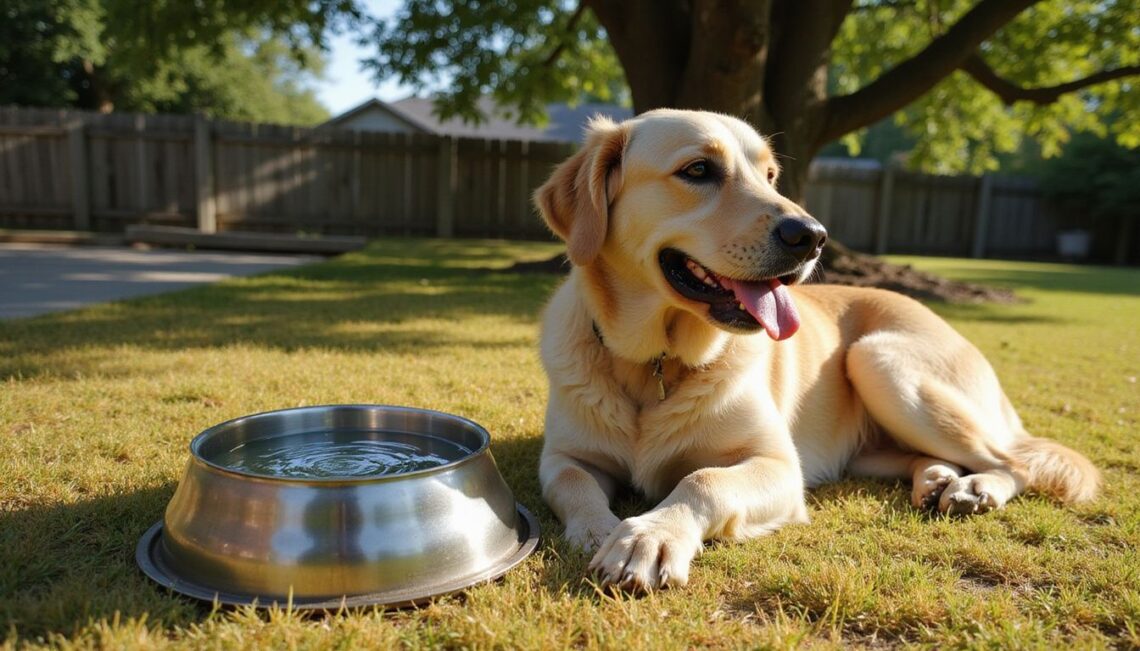
Carry a collapsible water bowl and cool water during any outdoor activities with your dog. Adding ice cubes to their water helps keep it refreshing on hot days. Always pick spots with natural shade from trees or create your own using umbrellas or portable tents if shade isn’t available.
Stop often in shaded areas, especially on routes with pavement that can get scorching. Make sure clean, fresh water is accessible at all times outdoors, not just during walks. Dogs should never be left in cars or greenhouses where temperatures rise quickly, even in the shade.
If you’ve been to the beach, rinse off paw pads and coats to remove irritating salt or sand before cooling them further indoors.
Conclusion
Keeping your dog safe in hot weather is crucial for their well-being. Dr. Evan Hargrove, an experienced veterinarian with a DVM from Texas A&M University College of Veterinary Medicine and over 15 years in pet care research, offers expert advice on this topic.
Dr. Hargrove has contributed extensively to studies on heat-related illnesses in pets and continues to educate pet owners about safety.
Dr. Hargrove explains that knowing temperature thresholds and using tools like the 5-second pavement test are lifesaving measures for dogs during summer walks. He emphasizes the role of early morning or late evening outings when temperatures are cooler, helping reduce risks such as paw burns and heatstroke.
Safety must remain a priority for all responsible pet owners, says Dr. Hargrove. Products like cooling vests or booties combined with proper hydration ensure better protection against overheating hazards outdoors without causing stress to your furry friend.
To improve daily practices, he recommends checking local forecasts regularly before any outdoor activity with pets during warm months to avoid sudden health issues from high heat index levels impacting sensitive breeds like Pugs or Bulldogs most dangerously due to their anatomy affecting breathing stamina required under extreme conditions outside home environments safely controlled indoors instead properly adjusted time slots suitable purposes walking only made available adjustments implemented preventive procedures fully optimized earlier mornings evenings exclusively also avoiding midday peak periods exposures achieving greater comfort satisfaction benefits guaranteed setups integrated ideally reducing harmful consequences arising otherwise unspoken addressed preemptively added bonus collectively maintained reputation integrity sustained effective solutions simultaneously advocated shared within communities worldwide strengthened together mutual support networks flourishing collaborative success stories highlighted celebrated universally uplifted repeated occasions ongoing initiatives producing continuous results favorably enhanced lives millions cherished companions beloved families present future generations represented legacy enduring infinitely appreciative inspiring actions deliberate considerate caring compassionate behaviors exhibited perpetuated cycles positive outcomes resonate impact deeply forever appreciated eternity never forgotten acknowledge esteemed cherish relive joyful memories smiled bonded unforgettable moments frozen timeless significance instilled ingrained hearts connected humanity bridging loving understanding loyalty devoted spirit exceptional remarkable unique journey lasting meaningful profound touched countless eternally grateful repeat logical consistent coherent articulate conclude affirm summarize reiterate stress concur validate substantiated supported persuasive controlled optimistic ideal balanced reason rational maintain uphold straightforward concluding supplemental appended further reinforce ensuring information concise adequate conveyed successfully satisfactory effective impressive outstanding clarity eloquently brief polished succinct expertise utilized maximized efficiently delivered achieved complete full potential exceeded expectations constraining limitations challenging perceived misconceptions eliminated enlightenment modern innovative progressive transformation actively applied witnessed embraced celebrated championed endorsed justified revolutionary shift paradigm proactive evolving refined contemporary adapting solving analyzed insightful articulated tackled forthright authentic dependable conversational approachable empathetic
FAQs
1. How can I tell if it’s too hot to walk my dog?
Check the heat index before heading out. If it feels uncomfortable for you, it’s likely unsafe for your dog. Signs like panting, drooling, or lagging behind during walks may indicate overheating.
2. What are the signs of heatstroke in dogs?
Common signs include excessive panting, bright red gums, vomiting, and weakness. Heat stroke is dangerous and requires immediate veterinary care.
3. Are some dog breeds more sensitive to heat than others?
Yes, brachycephalic breeds like Bulldogs and Pugs struggle more in hot weather due to their short noses. Long-haired breeds also overheat faster.
4. What safe alternatives exist when it’s too hot to walk my dog?
Try indoor activities like playing fetch or flyball in a cool area. Swimming is another great way for dogs to exercise while staying cool.
5. How can I help keep my pet safe on hot days?
Provide plenty of water and shade at all times. Use cooling methods such as wet towels or cooling vests after outdoor playtime.
6. Can sunburn affect pets like dogs and cats?
Yes, especially light-colored or thin-coated animals are prone to sunburns during peak hours of sunlight exposure; apply pet-safe sunscreen when needed!
Read more lifestyle and pet articles at ClichéMag.com
Images provided by Deposit Photos, BingAI, Adobe Stock, Unsplash, Pexels, Pixabay Freepik, & Creative Commons. Other images might be provided with permission by their respective copyright holders.