
Last Updated on July 7, 2026 by Cliche
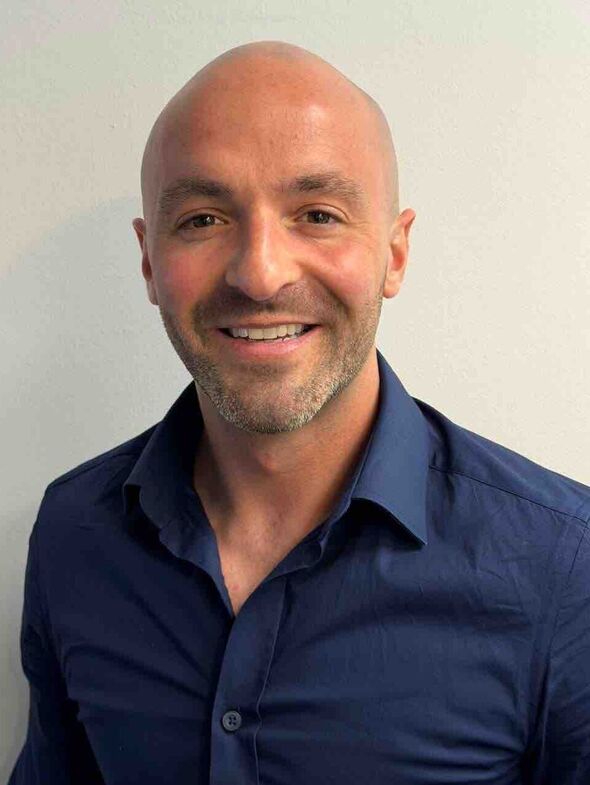
Entrepreneur Alex Moran founded Roost after experiencing the challenges of caring for his own grandfather. Now he’s using AI to tackle one of America’s biggest healthcare problems.
By Jonathan Drake
Few moments in life prepare you for becoming a caregiver.
One day you’re a son, daughter or grandchild. The next, you’re juggling appointments, coordinating carers, worrying about missed medications and wondering whether your loved one really is okay when you can’t be there. It’s a role millions of Americans unexpectedly find themselves stepping into, and one that is becoming increasingly common as the country’s population grows older.
The challenge is only set to intensify. The U.S. Census Bureau projects that by 2034, Americans aged 65 and over will outnumber children for the first time in the nation’s history – a demographic shift expected to drive unprecedented demand for home-based care. Against that backdrop, families are increasingly looking for ways to help loved ones remain safely at home for longer.
For entrepreneur Alex Moran, those figures represent millions of families facing difficult decisions about how best to care for ageing loved ones. It’s why he founded Roost.
“I decided to launch Roost because home care is one of the largest and most broken markets in healthcare, and I’ve seen both sides of the problem,” Moran tells Cliché. “I’ve spent my career inside healthcare, including as a director of a hospital in England. I watched hospitals fill up with people who didn’t need to be there. They needed the right care at home, delivered reliably, with someone actually watching for the early warning signs.”
That insight shaped the company he is now building.
Rather than functioning as another healthcare app or online marketplace, Roost is a regulated home care provider that uses artificial intelligence to improve how care is delivered behind the scenes. Its technology helps recruit and onboard caregivers, matches them with clients based on compatibility and continuously monitors wellbeing to identify signs that someone’s health may be deteriorating before a crisis occurs.
“Roost exists to be that,” Moran explains. “Not a marketplace, not an app, but a real care provider that uses technology to match the right caregiver to the right person and spot deterioration before it becomes a hospital admission.”
While AI often dominates headlines with promises of dramatic change, Moran believes its greatest value lies in making everyday care more dependable.
“We acquire established, licensed agencies and transform them with our own technology,” he says. “The goal is to prove that ordinary things, done better, with reliable visits, better matched caregivers and earlier intervention, produce measurably better outcomes at scale.”
Moran believes the opportunity is enormous, pointing to industry forecasts that estimate the US home care market could reach around $1.1 trillion by 2030. Roost is entering the US market through the acquisition of a licensed home care agency in Florida, serving Medicaid and Veterans Affairs patients, while simultaneously building operations in the UK.
But long before Moran worked in hospitals or launched a healthcare company, his understanding of caregiving came from somewhere much closer to home.
“I was extraordinarily close to my grandparents,” he says. “They were a constant presence throughout my childhood and much of who I am comes from them.”
When his grandfather Bill became seriously ill, Moran found himself navigating the healthcare system firsthand.
“I managed his care myself. I sat in on the meetings, coordinated the caregivers, navigated the system and made the decisions no family ever feels ready to make.”



It remains one of the defining experiences of his life.
“It was the hardest thing I’ve ever done,” he says. “I saw firsthand how much difference the right caregiver makes and how much damage the wrong process, a missed warning sign or a poorly managed handoff can do to someone you love.”
That memory continues to influence every decision Roost makes today.
“Every product decision we make, I test against one question: would this have been good enough for my grandparents? Families are trusting us with the people they love most. I know exactly what that feels like from the other side.”
For Moran, caring doesn’t end with business. He also serves as Chair of the NSPCC Business Board in the UK, helping support the country’s leading child protection charity. Over the past three years, he has helped raise more than £1 million for charitable causes.
His determination is fuelled by another lifelong passion: endurance sport.
“I work out, stay fit and am very athletic,” he says. “A healthy lifestyle extends generally to business and the startup life in terms of the pressures of it and being mentally strong enough to handle things.”
Training for marathons and triathlons, he says, has taught him lessons that apply just as much in the boardroom as on the race course.
“The grit and determination that high-level sport teaches you sets you up for life as an entrepreneur – the art of just keeping going.”
“Our mission is simple,” he says. “Help people live independently at home for longer, and out of the hospital.”
As millions more Americans take on the role of family caregiver over the coming decade, solutions like Roost may ultimately be judged not by the technology behind them, but by something far simpler: whether they help more people stay safely in the place they most want to be…home.
Learn more about Roost and its approach to home care at Roost.com
Read more lifestyle articles at ClichéMag.com
Images provided by Sandro Monetti. Other images might be provided with permission by their respective copyright holders.