
Last Updated on May 13, 2026 by Cliche
Choosing how to care for an aging parent is one of those decisions that sits heavily. It is not just about safety or cost. It touches daily routines, comfort, and the feeling of still being “at home” in your own life.
Many families find themselves weighing two main options. A care home with structured support, or something more personal that happens right where your parent already lives. Neither is perfect for everyone. But when you break it down, a few clear differences start to show up in everyday life.
Here are four key things to think through before deciding what feels right.
1. Daily Life Feels Different in a Care Home vs at Home
The biggest contrast shows up in how the day actually runs.
In a care home, routines are shared. Meals happen at set times, activities are planned for groups, and staff work in shifts. That means the person helping in the morning may not be the same one at night. For some people, that structure feels reassuring. It creates a predictable rhythm.
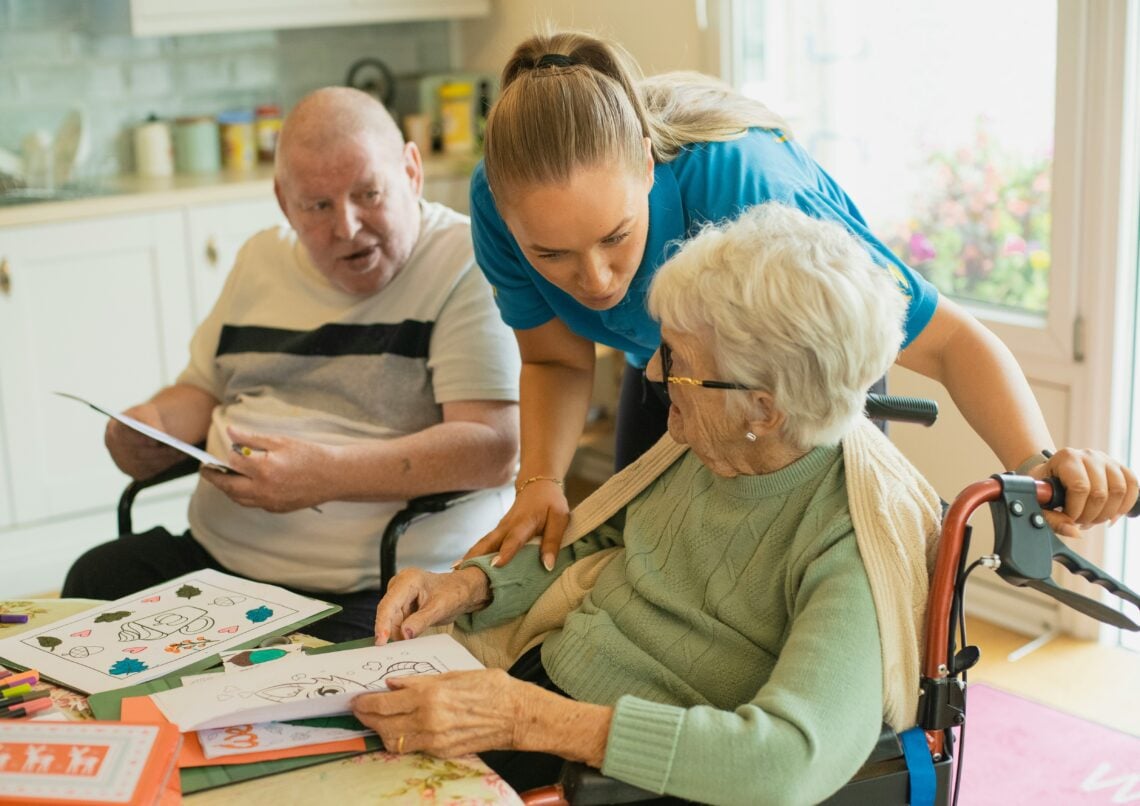
But with live in care, everything happens at home, so things follow a more personal pace. A parent can wake up when they want, eat what they enjoy, and keep small habits that make the day feel normal. In many care setups, including those offered by Live In Care, support is shaped around one person’s routine, with a focus on helping them stay comfortable in their own space. That often includes help with meals, personal care, and medication in a way that fits into the day rather than interrupting it. Over time, that kind of consistency can make daily life feel easier and more settled.
2. Live In Care Offers More Familiarity and Comfort
There is something about being in your own space that is hard to replace. A familiar bedroom, photos on the wall, the way things are arranged in the kitchen. These are small details, but they carry comfort. Leaving that behind can feel unsettling, especially for someone who has lived in the same place for years.
Care homes try to create a warm and welcoming environment, and many do a good job. Still, it is a shared space. It can take time to adjust, and not everyone feels fully settled.
At home, that sense of familiarity is already there. The care simply builds around it. In practice, this often leads to a calmer experience, especially for someone who feels anxious about change or is dealing with memory issues.
Research from the National Institute on Aging shows that emotional well-being and a sense of belonging are closely tied to overall health in older adults. Staying in a familiar environment can support both.
3. One-on-One Support Is Stronger at Home Than in Shared Settings
Another clear difference comes down to attention. In a care home, staff are responsible for several residents at once. Even with the best care, time has to be shared. Help is available, but it may not always come right away, especially during busy periods.
At home, support is more focused. One caregiver works closely with one person, learning their habits, preferences, and even small changes in mood or behavior. Over time, that familiarity builds trust. This also affects how quickly needs are noticed. A change in appetite, trouble sleeping, or feeling slightly off can be picked up earlier when someone is present throughout the day.
What we’ve seen is that this kind of consistent attention can make care feel more personal. It becomes less about completing tasks and more about understanding the person behind those needs.
4. Care Homes Can Have Lower Upfront Costs but Vary Over Time
Cost is often one of the first things families look at, and it can be a bit more complex than it seems. Care homes usually come with a set monthly fee, which can make budgeting feel straightforward. For someone who needs basic support, this can be a practical option at the start.
However, costs can increase depending on the level of care required. Extra help, specialized services, or private rooms may add to the total over time.
Home-based care has a different structure. It may seem higher at first glance, but it often includes personalized support and flexibility without as many add-ons. It can also make sense for couples who want to stay together in their own home.
According to data from Genworth’s Cost of Care Survey, the gap between residential care and home-based care is not always as large as families expect. Besides, another PubMed study shows that home care can even become less costly than residential care over time, especially as needs become more complex.
Final Thoughts
There is no single answer that works for every family. Some parents adjust well to care homes, especially if they enjoy social settings and structured routines. Others feel more at ease staying in a familiar space with support built around them.
The key is to look beyond the labels and focus on how each option will shape daily life. Some families even try one approach first and adjust over time as needs change.
Read more lifestyle articles at ClichéMag.com
Images provided by Deposit Photos, BingAI, Adobe Stock, Unsplash, Pexels, Pixabay Freepik, & Creative Commons. Other images might be provided with permission by their respective copyright holders.