
Last Updated on June 29, 2026 by Cliche
Most homeowners don’t think much about their plumbing until something goes wrong. A burst pipe, a blocked drain, a toilet that won’t stop running—those are the moments that force plumbing into view. But the real cost of plumbing problems often builds quietly, long before there’s an obvious emergency.
That’s why small habits matter. The way you use your taps, what goes down your drains, how quickly you deal with minor leaks, and even how often you check visible pipework can all affect your household costs over time. Not just repair bills, either. Plumbing habits influence water usage, energy consumption, appliance lifespan, and the risk of property damage.
The good news is that saving money here usually doesn’t require a major renovation. More often, it comes down to consistency. A few smart routines, repeated over months and years, can prevent the kind of avoidable expenses that catch households off guard.
The Hidden Cost of “Minor” Plumbing Issues
It’s easy to dismiss a small drip or slow drain as something to deal with later. After all, if the sink still works and the water still runs, how urgent can it be? More than most people realise.
A dripping tap may seem harmless, but even a modest leak can waste thousands of litres of water over a year. A toilet that continues running after flushing can quietly push water bills up month after month. And a drain that clogs repeatedly often signals a bigger issue forming deeper in the system—one that becomes far more expensive if left unresolved.
There’s also the knock-on effect. Plumbing problems rarely stay isolated. A hidden leak under a sink can damage cabinets and flooring. Limescale build-up can make a boiler or water heater work harder, increasing energy use. Poor water pressure can strain fixtures and create inconsistent performance throughout the house.
In other words, the problem isn’t just the fault itself. It’s what that fault sets in motion.
Prevention Is Almost Always Cheaper Than Repair
One of the most effective financial habits a homeowner can develop is early intervention. The sooner you notice and address a plumbing issue, the more options you usually have—and the less money you tend to spend.
This is especially true when the issue involves water escaping where it shouldn’t. Water damage escalates quickly. A loose pipe connection today can become stained walls, warped skirting boards, and mould remediation tomorrow.
That’s why practical, preventive knowledge is so valuable. If you want a grounded overview of simple, realistic ways to save money on household plumbing issues, it helps to start with the fundamentals: spotting waste early, avoiding strain on your system, and knowing when a small fix is within reach versus when a professional should step in.
The point isn’t to become a plumber. It’s to become more observant and more intentional.
Everyday Habits That Make a Noticeable Difference
You don’t need a long maintenance checklist to improve your plumbing efficiency. A handful of small behaviours can make a measurable impact over time.
- Fix drips and running toilets promptly rather than “monitoring” them for weeks.
- Avoid pouring grease, oil, coffee grounds, or food scraps down the sink.
- Use drain strainers in showers and kitchen sinks to catch hair and debris.
- Don’t ignore changes in water pressure, strange noises, or slow drainage.
- Insulate exposed pipes before colder weather if your home is vulnerable to freezing.
None of these habits is dramatic. That’s exactly why they’re effective. They reduce wear, limit waste, and prevent small inefficiencies from becoming expensive problems.
Water Use and Energy Use Are Closely Connected
People often think of plumbing savings in terms of water bills alone, but there’s another layer to consider: heating water costs money too.
Every unnecessarily long shower, every hot tap left running, and every inefficient fixture increases both water and energy usage. In many homes, water heating is one of the largest contributors to utility bills. So when plumbing habits improve water efficiency, they often reduce energy costs at the same time.
The Role of Fixtures and Maintenance
Simple upgrades can help, but only if they’re paired with sensible use. Low-flow showerheads, tap aerators, and dual-flush toilets can all reduce consumption. Yet even efficient fixtures lose their advantage if they’re neglected. A scaled-up showerhead, for example, won’t perform as intended, and a faulty fill valve in a toilet can waste far more than a household realises.
Regular cleaning and occasional checks keep these systems doing the job they were designed to do.
Small Timing Decisions Matter Too
Running the dishwasher or washing machine only with full loads, using cold water where possible, and not defaulting to maximum heat settings are all examples of behaviour that sits at the intersection of plumbing and energy awareness. These choices may seem insignificant in isolation. Over a year, they add up.
Your Drains Often Reflect Your Habits
Blocked drains are one of the most common household plumbing issues, and they’re also among the most preventable.
Kitchens are frequent trouble spots because people treat the sink like a disposal unit. Even homes that are careful with food waste often let fats and oils slip through. Those substances may go down as liquids, but they cool, thicken, and cling to pipe interiors. Over time, they trap other debris and narrow the passage for water.
Bathrooms tell a similar story. Hair, soap residue, and product build-up create slow drains gradually, not all at once. Once the water starts pooling, many people reach for harsh chemical drain cleaners. But repeated use of these products can damage pipework, especially in older homes.
A Better Approach to Drain Care
Mechanical prevention works better than chemical rescue. Strainers, regular cleaning, and a bit of awareness about what enters the system go much further than most people think. If a blockage keeps returning, that’s usually a sign the cause hasn’t really been addressed.
Build a Habit of Noticing
Perhaps the most underrated money-saving plumbing habit is simply paying attention.
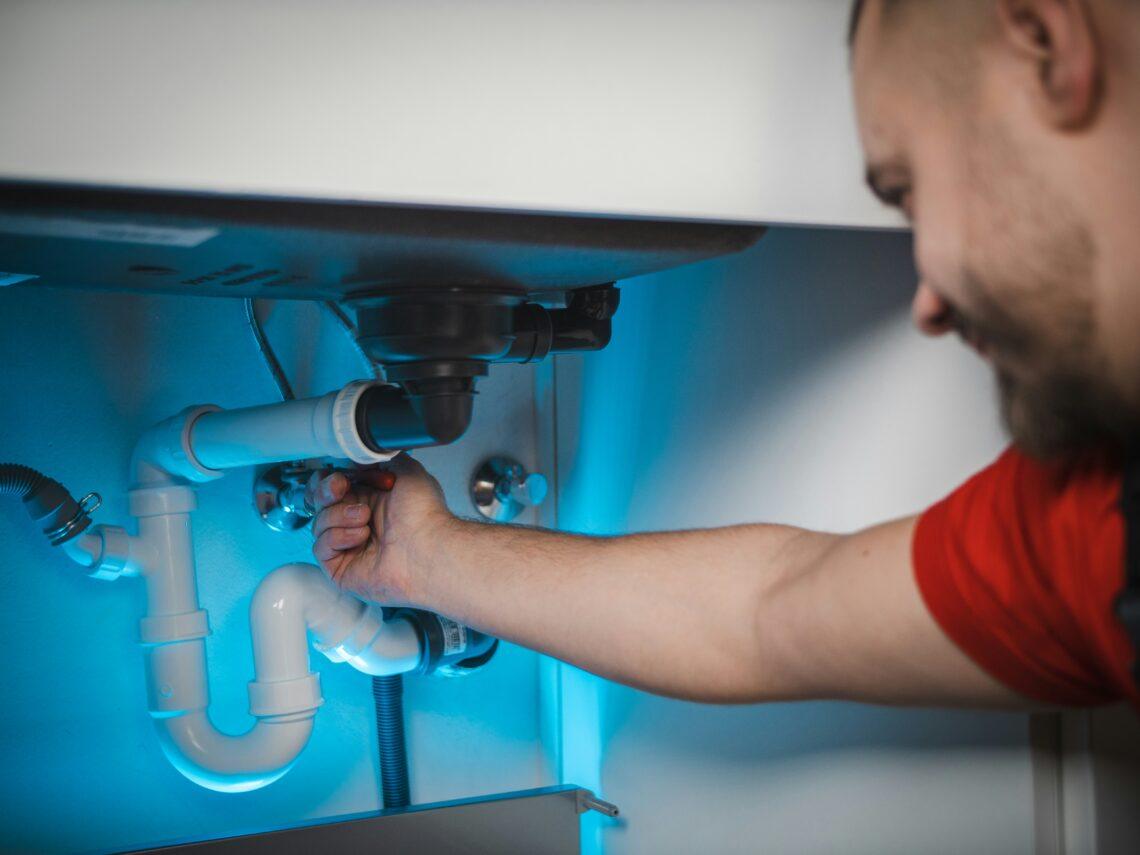
Listen for toilets refilling when they shouldn’t. Check under sinks from time to time. Notice whether your boiler takes longer to deliver hot water than usual. Look for signs of corrosion, damp patches, or staining around visible joints and fittings.
These observations don’t require specialist knowledge. They require five minutes and a bit of curiosity. But that small effort can be the difference between a quick adjustment and a major callout.
The Long-Term Savings Are About More Than Bills
When people talk about saving money on plumbing, they often mean spending less on repairs. That matters, of course. But the broader value is stability.
Good plumbing habits help you avoid disruption. They reduce the chance of sudden emergencies, protect the condition of your home, and help essential systems last longer. They also make household costs more predictable, which is often just as important as making them lower.
That’s the real advantage of small, consistent action. You’re not waiting for things to go wrong. You’re shaping an environment where fewer things go wrong in the first place.
And over time, that’s where the biggest savings usually come from.
Read more home improvement articles at ClichéMag.com
Images provided by Deposit Photos, BingAI, Adobe Stock, Unsplash, Pexels, Pixabay Freepik, & Creative Commons. Other images might be provided with permission by their respective copyright holders.