
Last Updated on July 27, 2026 by Cliche
Pests usually don’t appear because your home is dirty or neglected. In Richmond, Virginia, warm summers, seasonal humidity, and changing weather can make homes more attractive to insects and rodents throughout the year. Like anywhere else, pests are usually drawn to homes because they find three things they need most: food, water, and shelter. By adopting better home habits, you can make your space less inviting to these unwanted guests.
Why pests show up
Pests are opportunists. They aren’t judging your housekeeping. They’re just looking for an easy meal and a safe place to hang out. A dripping pipe, a cereal box that doesn’t close all the way, or a tiny gap under the back door can be all the invitation they need.
Implementing effective home habits can significantly reduce the chances of a pest invasion.
In many homes, the problem starts with little things that build up over time. Pet bowls stay out overnight. Cardboard boxes pile up in a corner. Leaves collect too close to the foundation. Then one day, a trail of ants appears like they got a group text.
Sometimes basic cleanup solves the issue. Other times, repeated pest activity points to a larger problem that requires professional attention. If insects or rodents keep returning despite your prevention efforts, it may be worth exploring pest control services in Richmond, VA to identify entry points, address active infestations, and create a treatment plan that helps prevent future problems.
Kitchen trouble spots
Your kitchen is basically the food court of the house, so it gets a lot of pest attention. Crumbs under the toaster, grease near the stove, and sticky spills around the trash can all create easy snacks. Even a fruit bowl that sits a little too long can attract tiny flying visitors.
Start with the basics. Wipe counters at the end of the day. Sweep under tables and appliances when you can. Store dry goods like cereal, rice, and crackers in sealed containers instead of leaving them in thin boxes or half-open bags.
A few habits matter more than people think:
- Take trash out regularly
- Rinse recycling before storing it
- Don’t leave dishes overnight too often
- Check under the sink for leaks
Pantries deserve a quick monthly look too. Toss expired food, vacuum stray crumbs, and check for torn packaging. It’s not glamorous, but it beats finding moths where your pasta used to be.
Bathrooms and laundry
Bathrooms and laundry rooms attract pests for one big reason: moisture. Bugs love damp places because water helps them survive. Add warmth, dark corners, and a little clutter, and you’ve created a pretty cozy bug bungalow.
Check around sinks, tubs, and toilets for drips or condensation. Make sure damp bath mats and towels dry out instead of staying bunched up on the floor. If your laundry room feels humid, better airflow can help a lot.
Drains also deserve attention. Hair, soap residue, and grime can create smells and buildup that attract pests. You don’t need anything fancy here. Regular cleaning and keeping surfaces dry goes a long way.
Storage matters too. Piles of clothing or paper goods give pests places to hide. Try keeping supplies in bins and avoiding forgotten clutter behind the washer. You don’t need perfection. You just want fewer dark, moist hiding spots where creepy crawlers can settle in and pay no rent.
Entry points to check
One of the most frustrating things about pests is how little space they need. Mice can squeeze through tiny gaps, and many insects only need a crack or tear to get inside. Your home may look sealed, but small openings are common.
Start at the doors. If you can see daylight under one, pests may be able to come through too. Check weather stripping and door sweeps. Then move to windows and screens. Tiny rips may seem harmless until mosquitoes and other bugs decide otherwise.
Also look at places where pipes, cables, or vents enter the home. These areas often have small gaps that get overlooked. A simple room-by-room check can reveal more than you’d expect.
Focus on:
- Door frames
- Window tracks
- Dryer vent edges
- Utility line openings
- Garage corners
You don’t need to become a contractor. You just need to notice where the outside is sneaking in.
Your yard matters too
A lot of indoor pest problems begin outside. If your yard gives pests a nice place to live, they’re more likely to wander indoors when weather changes or food gets scarce. Think of the area around your home as the first place pests settle before they eventually find a way indoors.
Overgrown shrubs, wood piles, clogged gutters, and standing water all make the area more inviting. Mulch placed too close to the house can also create a damp zone where insects feel right at home.
A few simple outdoor habits can help:
- Trim plants away from siding
- Keep firewood off the ground
- Empty standing water from pots or buckets
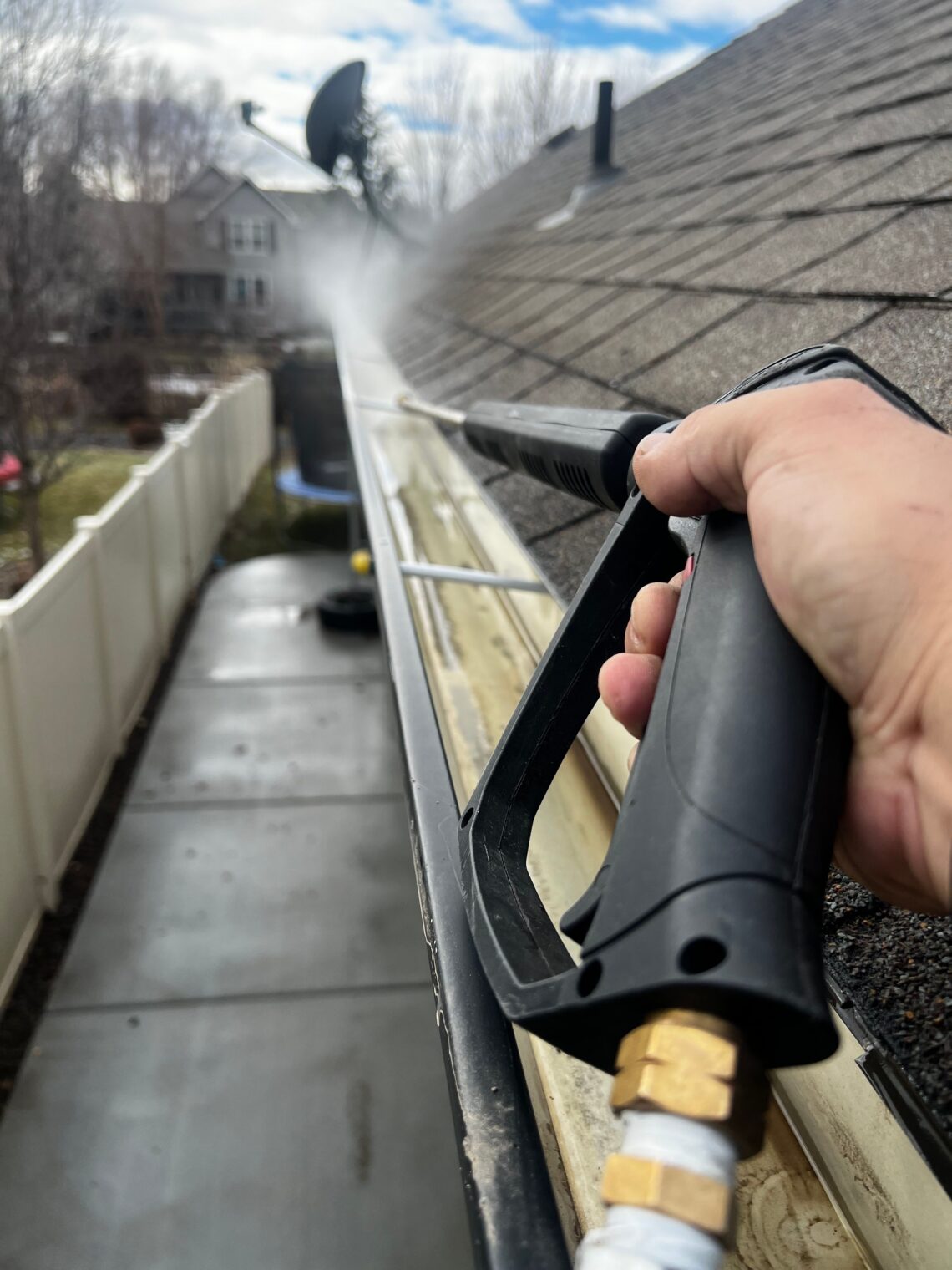
- Clean gutters so water drains properly
It also helps to avoid storing clutter right against the house. Old planters, unused bins, and stacks of materials create shelter close to entry points. The tidier your perimeter is, the fewer pest pit stops you’re likely to have.
Seasonal prevention plan
Pest prevention gets easier when you think seasonally instead of waiting for a surprise. Different times of year bring different pest habits, so your routine can stay simple and still be effective.
In spring, check for new gaps around windows and doors. This is also a good time to tidy the yard and clear debris from around the foundation. Summer is all about food and moisture. Keep the kitchen clean, watch for ants, and deal with standing water quickly.
In fall, many pests start looking for warmth. Seal openings, inspect the attic or basement, and avoid leaving cardboard clutter in storage areas. Winter is a smart time to monitor quiet spaces like garages, crawl spaces, and cabinets where activity might go unnoticed.
You don’t need a huge checklist. A short seasonal reset works well.Think of it as a simple seasonal home checkup that makes your house less inviting to pests all year long.
When to get help
Sometimes a problem is bigger than a few crumbs or a loose screen. If you notice droppings, chew marks, nests, strong musty smells, or repeated pest sightings in the same area, it may be time to stop guessing. DIY methods can help with prevention, but they don’t always solve hidden infestations.
You should also pay attention if pests keep returning after cleaning and sealing obvious gaps. That can mean there’s a nest nearby, moisture damage in the walls, or an access point you haven’t found yet.
Getting help doesn’t mean you failed. It usually means the issue needs a better plan. The smartest approach is often a mix of home habits and expert support when needed. Start with what you can control each week, stay observant, and act early. Pests can be persistent, but consistent prevention and timely professional treatment can keep small problems from becoming much larger ones.
Read more home and garden articles at ClichéMag.com
Images provided by Deposit Photos, BingAI, Adobe Stock, Unsplash, Pexels, Pixabay Freepik, & Creative Commons. Other images might be provided with permission by their respective copyright holders including AI generators.