
Last Updated on April 28, 2026 by Cliche
A fresh lean after a windstorm, a long crack down the trunk, or roots lifting a sidewalk are the kinds of signs that get Seattle property owners asking if a tree needs to come down. The hard part is that some visible damage is manageable, while other damage points to failure that can happen without much warning. Before any cutting starts, it helps to get clear on what the tree is doing, what’s nearby, and what access the crew will have.
Tree removal decisions carry real cost and real liability. Local rules can limit what can be removed and when, and quote totals can hide major differences in cleanup, hauling, stump work, and equipment needs. A weak plan can leave ruts in the yard, broken fencing, or damaged roofing. Start by lining up the questions that separate a quick estimate from a workable plan.
How Can You Tell if a Tree Should Come Down?
Visible damage can raise real concern, but it does not automatically mean removal is the right call. A stronger first step is to ask a qualified tree service company to have an ISA-certified arborist assess if the issue is decay, root failure, storm damage, or a condition that can still be managed with pruning or support work. That distinction matters most when the tree stands near a roof, driveway, fence, or other high-use part of the property, where the real question is not just what looks wrong, but how much risk the tree now presents.
A long crack running with the grain, pavement lifting near major roots, or visible root movement during wind can point to structural failure, but not every case means the tree has to come down. A solid evaluation should separate issues that can be managed with pruning, cabling, or targeted deadwood removal from problems where the support system is no longer reliable. Request specifics on what would be monitored, what would be corrected, and what change would trigger removal later.
What Seattle Tree Removal Rules Should Homeowners Check First?
Seattle tree removal can involve permit rules that change what can be done and which steps need to happen first. Instead of treating permits as an afterthought, property owners should ask early if the tree has protected status, if replanting may be required, and if the tree company will help check those requirements before the job is scheduled. That upfront review saves time, prevents avoidable delays, and gives the estimate more value than a quote based only on cutting and hauling.
Property lines can create problems when the trunk sits near a boundary, even if the canopy hangs mostly on one side. Ownership can be shared when a trunk straddles a line, and written neighbor consent may be needed before cutting begins. Confirm how the crew determines the trunk location and what they require if a survey stake or plat map is needed. Getting those answers early keeps the job from stalling after equipment is already reserved.
What Affects Tree Removal Cost and Quote Differences?
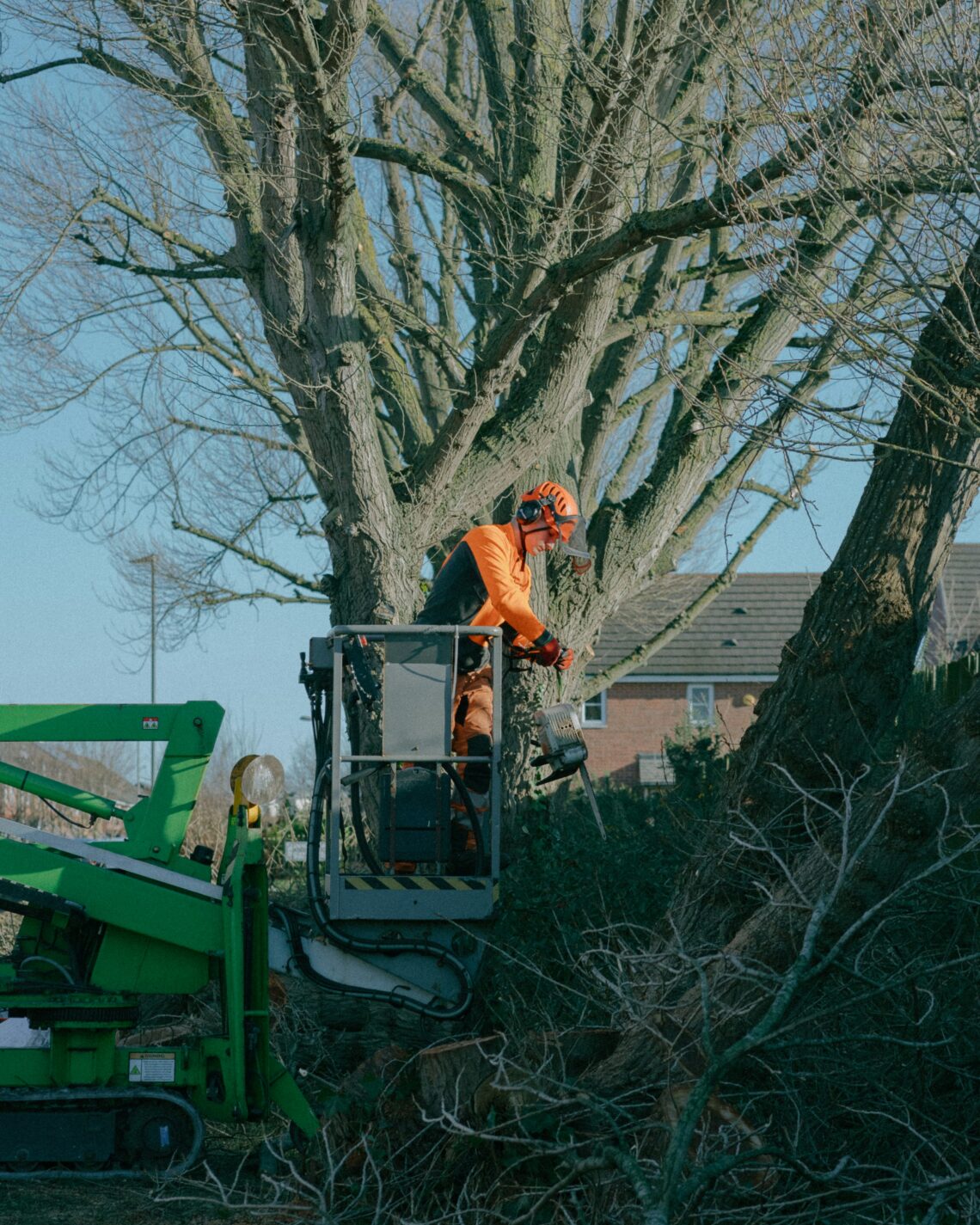
Limited access is often the reason a tree removal costs more than expected, because the crew may need to take the tree apart in sections instead of bringing it down in one piece. Many Seattle removals call for rigging and controlled lowering to keep wood from striking roofs, fences, patios, or planting beds. Tight site conditions can also add time for hand-carrying brush, setting up protection mats, or bringing in a crane or lift when climbing and lowering alone is not practical.
Two quotes with the same total can cover very different finishing work. Wood hauling may mean full removal, leaving rounds stacked, or chipping only; cleanup can range from a quick rake to hauling all debris and blowing hard surfaces clean. Stump grinding is often optional and depth varies, which affects future planting and whether surface roots remain. Ask for a written scope that separates removal, hauling, stump work, and site cleanup so you can compare what each company is actually providing.
How Is the Property Protected During Tree Removal?
A safe Seattle tree removal depends on a clear lowering plan when wood has to come down over roofs, fences, patios, or tight plantings. Rigging lines, friction devices, and controlled lowering points help the crew bring material down in a controlled way instead of risking unnecessary impact. Ask if limbs will be lowered in pieces or free-dropped, and have the crew point out the planned drop zone and where big wood will be staged before it gets cut down further. A clear plan should also spell out how the climber and ground crew communicate and what changes if wind picks up.
Property protection matters just as much as the cutting plan when wheelbarrows, brush, and log rounds are moving across the site all day. Plywood, turf mats, and driveway protection can prevent damage to finished surfaces, while flagged gates, sprinklers, and low-voltage lighting help the crew avoid avoidable problems before work begins. Street use should be addressed in advance, including cones, spotters, and any expected sidewalk or driveway closure. Get the access and protection plan in writing so it matches what shows up on site.
What Should You Decide About Stumps and Cleanup After Removal?
Sawdust piles, chipped bark, and torn-up turf around the base are common right after removal, and the stump is usually the part that keeps the area from being usable. Leaving it tall saves time but creates a trip point and blocks mowing; cutting it low can still leave surface roots and a hard edge. Grinding removes the stump below grade, and the depth matters if you plan to sod, plant, or set pavers where the tree stood.
Cleanup can mean more than hauling brush, since grinding leaves a mix of wood chips and soil that settles as it breaks down. Ask if chips will be hauled away or left, and if topsoil backfill is included or left for the owner. If replanting is planned, confirm how far grinding will extend past the stump to address flare roots and avoid future settling. Decide on the stump approach before scheduling so the crew brings the right machine and plans access.
Good tree removal decisions start with a clear diagnosis, not a quick reaction to one visible symptom. The strongest plan comes from knowing if the tree truly needs to come down, what Seattle rules apply to the site, how the work area will be protected, and exactly what the written quote includes for hauling, stump grinding, and cleanup. A qualified tree service company that evaluates the tree carefully before recommending removal adds real value long before any cutting begins. That kind of guidance helps property owners avoid unnecessary work, ask better questions, and move forward with a safer plan that fits the site, the tree, and the condition of the property.
Read more home improvement articles at ClichéMag.com
Images provided by Deposit Photos, BingAI, Adobe Stock, Unsplash, Pexels, Pixabay Freepik, & Creative Commons. Other images might be provided with permission by their respective copyright holders.