
Last Updated on April 22, 2026 by Cliche
There are small moments in a house that tend to pass without much notice. A window that hums faintly when the wind picks up. A narrow strip of cold air along the floor in winter. The way certain rooms feel easier to sit in than others, though nothing obvious explains why.
A house doesn’t usually feel “off” all at once. It happens gradually. A door sticks a little more each year. The light shifts. Sounds carry differently. People adjust without thinking. It becomes routine.
And yet, those small things don’t stay small. They gather into an impression. A space that needs constant adjusting begins to feel unsettled. Not broken, just slightly unfinished. That feeling tends to carry into how a home is seen. Buyers notice it, even if they can’t quite place it. A room that doesn’t hold warmth. A window that lets too much in. Over time, that quiet imbalance can shape value—not through one flaw, but through how the whole place holds together.
Window Replacement and the Subtle Return of Comfort
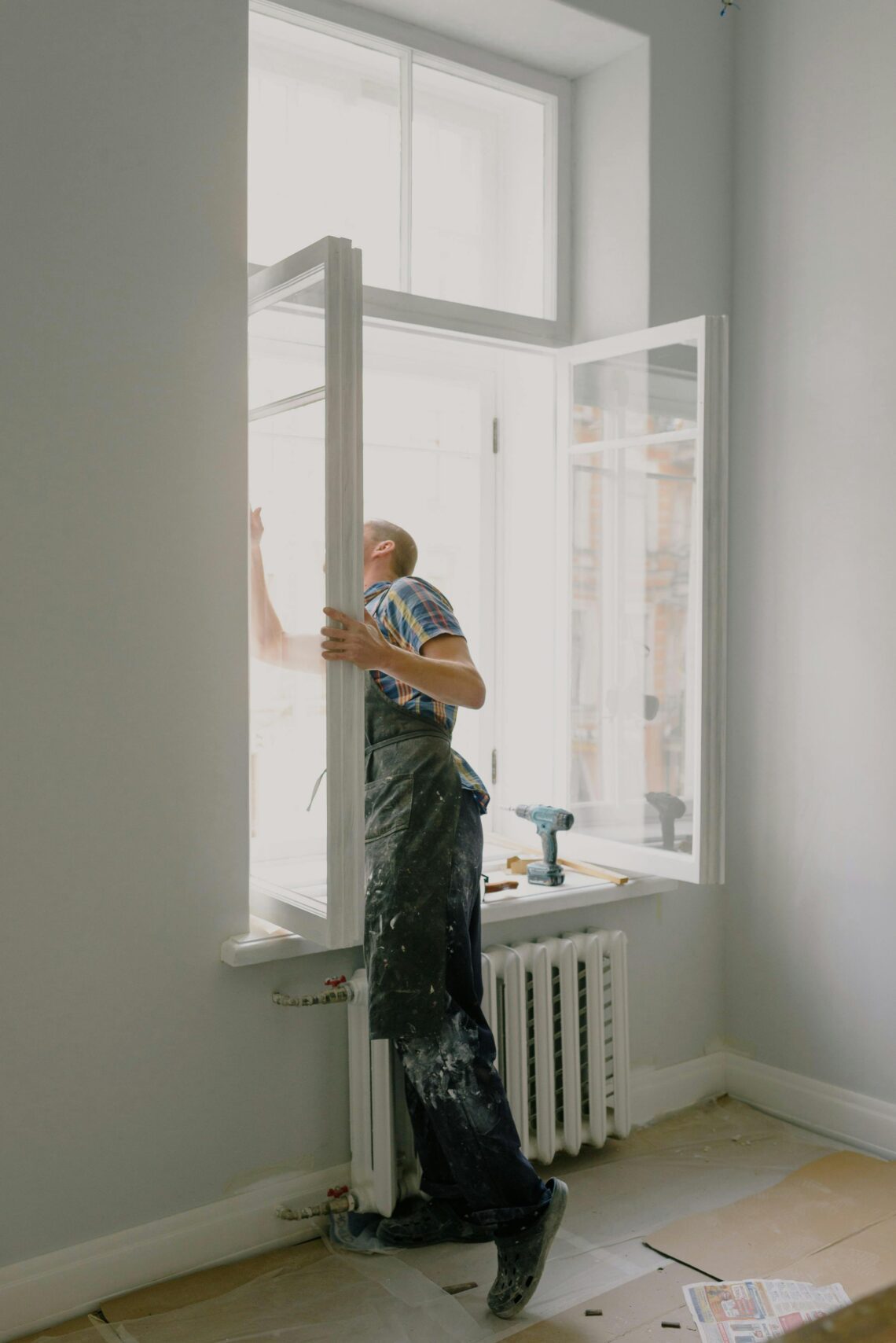
Windows tend to sit at the center of that quiet shift. They are always there, framing everything, but rarely considered unless something goes wrong. Over time, glass can dull in a way that softens the outside view. Seals weaken, letting in air that shouldn’t be there. It’s not dramatic. Just a subtle imbalance. Rooms may feel slightly cooler, or warmer, depending on the season.
Replacing windows doesn’t feel like a bold move. It’s not the kind of change that draws immediate attention. But the effect settles in. Light begins to feel more precise, almost cleaner. Not brighter, just more accurate. The edges of things come back into focus. Temperature holds steady without constant adjustment. The background noise of the street fades just enough to notice its absence. Impact windows help protect homes from severe weather while also improving energy efficiency and overall security. Their reinforced glass and tighter seals reduce heat loss, limit outside noise, and hold up better against strong winds and flying debris.
Doors, Floors, and Fixes That Remove Friction
There are other changes that work in similar ways. A front door that closes with a soft, certain click instead of a hollow thud. Floors that feel solid underfoot, without the slight give or creak that used to be there. Even small adjustments to lighting can shift the tone of a room. Warmer bulbs in the evening. Softer edges. Nothing dramatic, but enough to make a space feel more settled.
It’s not about perfection. In fact, a home rarely feels right when everything is too exact, too polished. There’s something in the slight unevenness that makes it feel lived in. But there’s a difference between character and friction. Between quirks that add to a space and small faults that slowly wear on it. The right upgrades seem to understand that difference. They don’t erase personality. They just remove the parts that interrupt the flow of daily life. A cabinet that finally opens without catching.
Storage Upgrades That Change How Space Is Used
Over time, that changes how attention is used. Instead of noticing what isn’t working, there’s space to notice other things. The way morning light settles in a corner. The sound of a room when it’s quiet. Even the rhythm of routine feels different when it isn’t constantly interrupted by small inconveniences.
Storage, for instance, rarely gets much attention until it becomes a problem. A closet that never quite fits what it’s supposed to hold. Shelves that feel either too full or oddly empty. It creates a kind of low-level clutter, not just in the space but in the mind. Where did that go. Where should this be placed. Small questions, repeated daily. A better storage setup doesn’t stand out visually. It doesn’t ask to be admired. But it changes how a home is used. Things have a place. Not in a rigid way, just in a way that makes sense.
Long-Term Value Beyond Surface-Level Changes
There’s often a tendency to think of home upgrades in visible terms. Fresh paint. New finishes. Things that can be pointed to, photographed, explained. And those have their place. They can shift the mood of a room quickly. But the changes that tend to last—the ones that shape daily experience—are usually less obvious.
They sit in the background. A consistent temperature. A reduction in outside noise. A door that doesn’t need to be pushed twice. These are not dramatic changes, but they accumulate. Slowly, almost invisibly. It becomes difficult to separate the house from the feeling it creates. A space that works well tends to disappear in a way. Not literally, but in the sense that it stops drawing attention to itself. It allows whatever happens inside it to take priority. Conversations. Quiet moments. Even just passing through.
Not every upgrade achieves that. Some are more about appearance than function. And there’s nothing wrong with that, exactly. But they tend to sit on the surface. The deeper value often comes from adjustments that align with how a home is actually lived in. The patterns that repeat each day.
Sometimes the difference is only noticeable later. After a window has been replaced, it becomes clearer how much quiet adjusting had been folded into the day. The slight shift in temperature near the frame. The way the outside never fully stayed outside. It didn’t stand out at the time. It just settled in.
After a door is fixed, the small habit of pulling it a certain way fades without much thought. The pause, the second attempt. Gone before it’s really noticed. It’s subtle. Almost easy to miss.
And yet, over time, these small changes begin to shape how a home is experienced—and how it is valued. A space that holds its temperature, keeps out noise, and closes the way it should tends to feel more finished. More certain.
That sense carries into how the home is judged. Not always in one clear figure, but in fewer objections, fewer hesitations. A place that asks for less fixing often holds its value more firmly—and sometimes, quietly, a little higher.
Read more home improvement articles at ClichéMag.com
Images provided by Deposit Photos, BingAI, Adobe Stock, Unsplash, Pexels, Pixabay Freepik, & Creative Commons. Other images might be provided with permission by their respective copyright holders.