
Last Updated on September 2, 2026 by Cliche
An air conditioner that runs but doesn’t produce cool air can quickly raise indoor temperatures. The cause may be simple, such as a clogged filter or incorrect thermostat setting. Other possibilities include frozen coils, refrigerant loss, electrical failure, or compressor damage. A careful inspection can catch minor faults and prevent unsafe repairs. The following steps explain what to check first, when you need professional service, and how routine maintenance can reduce future cooling interruptions.
Begin With Simple Checks
When a central system runs but delivers warm air, the cause may involve airflow, controls, electrical parts, or refrigerant loss. A focused checklist helps separate a minor oversight from mechanical trouble. Homeowners can review air conditioner not blowing cold air before repeatedly resetting the unit. That reference outlines safe observations, likely causes, and signs requiring trained assistance. Preparation also gives a technician useful details during the first appointment.
Inspect the Air Filter
A clogged filter limits airflow through the indoor cabinet. Restricted circulation increases strain and may allow the evaporator coil to freeze. Find the filter near a return grille, furnace, or air handler. Replace it with the correct dimensions and filtration rating. Monthly inspections work well for most households. Replacement intervals usually range from one to three months, depending on dust, pets, and occupancy.
Confirm Thermostat Settings
Thermostat settings can change after a power outage, battery failure, or seasonal adjustment. Confirm that the mode shows Cool and that the selected temperature sits below the indoor reading. The fan generally belongs on Auto, so it runs during active cycles rather than continuously. Replace weak batteries, then wait several minutes for the control signal to reach the system.
Check the Electrical Panel
A tripped breaker may stop the outdoor condenser while the indoor blower continues moving air. Switch the air-conditioning breaker fully off, wait briefly, then restore power once. Repeated tripping points to an electrical fault or damaged component. Additional resets can create a fire or shock hazard. Leave the system off and arrange qualified service if the breaker trips again.
Look for a Frozen Evaporator Coil
Ice on the indoor coil or copper refrigerant line signals a problem that needs attention. Poor airflow, low refrigerant, or a failing blower can produce freezing conditions. If the thermostat allows, turn off cooling mode while leaving the fan running to help melt the ice. Never break frozen buildup with a tool. Sharp edges can puncture tubing and release refrigerant.
Examine the Outdoor Condenser
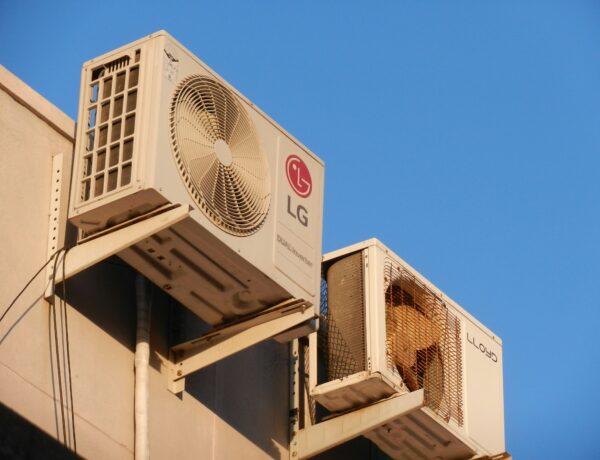
The exterior condenser releases heat extracted from indoor air. Leaves, grass, dirt, and thick vegetation can restrict airflow around its cabinet. Shut off electrical power before clearing nearby debris. Keep several feet of open space around the housing. A stationary fan, grinding sound, or loud compressor indicates a fault that requires professional testing, not a homeowner repair.
Check Accessible Ductwork
Cold air can escape through separated or torn duct sections. Inspect visible runs near an attic, basement, crawlspace, or utility area. Look for gaps, loose joints, crushed flexible tubing, or damaged insulation. Approved foil tape may close small seams. Larger openings need proper sealing and insulation. Leaking passages waste energy and can leave distant rooms warmer than areas near the air handler.
Recognize Serious Warning Signs
Some symptoms should end household troubleshooting immediately. Reappearing ice, hissing, burning odors, grinding, or repeated breaker trips can indicate significant damage. A condenser that fails to start may have a defective capacitor, motor, contactor, or compressor. Refrigerant handling and electrical testing require trained personnel, suitable instruments, and protective procedures. Do not remove panels or touch wiring without the proper qualifications.
Decide When Service Is Necessary
If a system still produces warm air after basic checks, it needs a professional assessment. A technician can test refrigerant pressure, electrical components, airflow, drain lines, and compressor operation. Prompt attention may prevent secondary damage and extended downtime. Before the appointment, record unusual sounds, recent filter changes, thermostat readings, visible ice, and the time symptoms first appeared.
Reduce Future Cooling Problems
Routine care lowers the likelihood of sudden failure. Inspect filters regularly, and keep outdoor cabinets clear year-round. An annual tune-up can reveal weak capacitors, dirty coils, loose connections, and drainage problems before heavy summer demand. Professional maintenance also supports efficient operation and may extend the service life of major components.
Conclusion
A non-cooling air conditioner does not automatically need replacement. Filter condition, thermostat settings, breaker position, coil frost, outdoor clearance, and duct leaks offer practical starting points. Safe checks may resolve minor interruptions, while recurring faults require trained assistance. Quick action can limit secondary damage and shorten discomfort. With regular filter changes, clear outdoor space, and annual service, homeowners can protect comfort and reduce avoidable repair costs.
Read more home and garden articles at ClichéMag.com
Images provided by Deposit Photos, BingAI, Adobe Stock, Unsplash, Pexels, Pixabay Freepik, & Creative Commons. Other images might be provided with permission by their respective copyright holders including AI generators.