
Last Updated on July 22, 2026 by Cliche
Has lower back pain ever made you second-guess a simple move like bending to tie your shoes? You can feel a dull ache, a sharp stab, or pain that shoots down your leg (sciatica), and it can turn work, sleep, and even relaxing into a challenge.
One helpful thing to know right away: MedlinePlus notes that back pain affects about 8 out of 10 people at some point, so this is common, and you have options.
In this guide, I’ll walk you through the most common causes of low back pain, how diagnosis works (including when an X-ray, MRI, or CT scan matters), and the treatment options that tend to help most.
We’ll also cover prevention steps you can actually stick with, so you can protect your quality of life long after this flare-up calms down.
Key Takeaways
- Back pain is extremely common, MedlinePlus describes it as affecting about 8 out of 10 people at some point, and many episodes improve with conservative treatment such as physical therapy, paced activity, and short-term pain relief.
- Most acute lower back pain does not need immediate imaging. Imaging becomes more useful when symptoms do not improve after a period of conservative care, or if there are red flags.
- Get urgent care for new leg weakness, numbness that is spreading, bowel or bladder changes, fever, severe night pain, or back pain after trauma (falls or car crashes).
- Lower your odds of recurrence by fixing posture and workstation setup, building core and hip strength, and using safer lifting habits (especially avoiding twisting under load).
- Chronic pain (often defined as pain lasting 12 weeks or more) usually responds best to a mix of rehab, pain management strategies, and targeted procedures when needed, with surgical referral when neurologic deficits worsen.

What is Lower Back Pain?
Lower back pain is pain in the lumbar region, the area below your ribcage and above your pelvis.
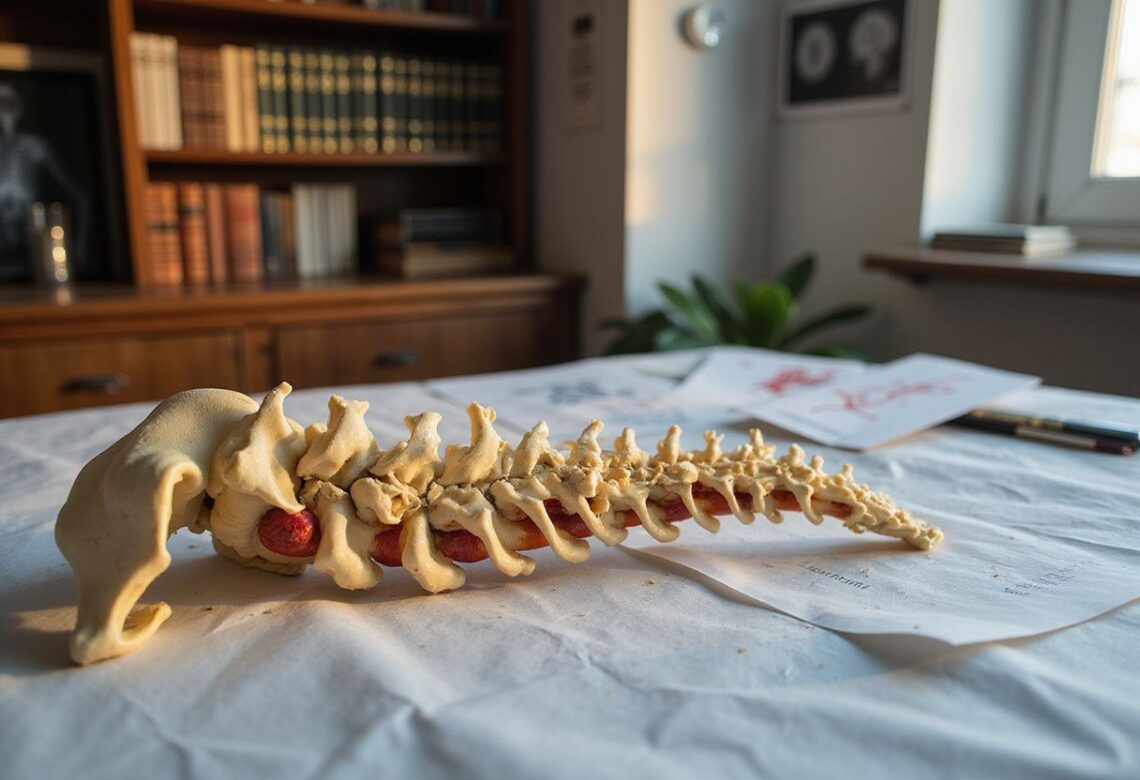
Your lumbar spine has five vertebrae (L1 to L5). Intervertebral discs sit between them like shock absorbers, with a tougher outer ring (annulus) and a softer center (nucleus).
Ligaments, tendons, and muscles hold this part of the spine together and help you move, twist, and lift.
It also helps to name the timeline, because it changes what your clinician looks for and what you should do next. The NIH’s National Center for Complementary and Integrative Health describes:
- Acute low back pain: up to 4 weeks
- Subacute: 4 to 12 weeks
- Chronic low back pain: 12 weeks or longer
Pain can stay local, or it can travel. When nerve roots coming off the lumbar spine get irritated, you may feel radiating leg symptoms like tingling, numbness, burning, or sciatica-type pain.
Most episodes come from strains or joint irritation, but low back pain can also come from a herniated disc, degenerative disk disease, spondylolisthesis, spinal stenosis, or (less commonly) a compression fracture.
Common Causes of Lower Back Pain
Lower back pain often starts with irritation or injury in the lumbar spine and nearby tissues, and sometimes it can pinch spinal nerves.
If your symptoms stick around or include neurologic symptoms, talk with your provider about next steps, including how MRI and X-rays differ, plus a clear pain management plan you feel good about.
Muscle strain
A single bad lift or a sudden tug can set off pain that makes you freeze in place.
Strains and sprains are a top reason people get acute lower back pain, often after heavy lifting, awkward twisting, or doing a lot more activity than usual.
Inactivity can set you up for trouble too. If you sit most of the week and then jump into a big weekend project, your muscles may not be ready for the load.
Here’s a simple, evidence-based starting point: MedlinePlus advises skipping long bed rest. If you do not have red flags, staying as active as you can tolerate tends to help you recover.
- Walk for a few minutes every couple of hours, even if it is slow.
- Use heat to relax tight muscles, then do gentle movement.
- Avoid heavy lifting and twisting while the pain is fresh.
- If pain is intense, short-term use of nonsteroidal anti-inflammatory drugs (NSAIDs) may help, if your clinician says they are safe for you.
Herniated disks
A herniated disc (also called herniated disk) happens when the outer annulus tears and the soft nucleus pushes outward. That bulge can irritate nearby nerve roots and cause sciatica.
If you have leg pain, tingling, or numbness, this cause moves higher on the list.
The good news is that many cases settle down with conservative treatment. An American Family Physician review notes that for about 90% of patients with lumbar disk herniation, acute sciatica improves within 6 weeks and resolves by 12 weeks with non-surgical care.
- Keep moving with short walks and light activity as tolerated.
- Use physical therapy to rebuild hip and core strength and calm nerve irritation.
- Lean on symptom-based pacing, pushing hard through severe leg pain can backfire.
- Ask about imaging if symptoms are not improving, or if weakness is showing up.
Surgery can be a good option for some people when pain stays severe, or neurologic deficits progress, but many patients improve without it.
Poor posture
Poor posture is not just about how you look. When you sit or stand in positions that strain your spinal column day after day, your back muscles can stay guarded and tired, and your discs and facet joints take more stress.
The fastest wins usually come from your workstation.
Mayo Clinic’s office ergonomics guidance includes two practical checkpoints: keep the monitor about an arm’s length away, and set the top of the screen at or slightly below eye level.
- Sit back in your chair and use lumbar support (a pillow or a rolled towel can work).
- Keep feet supported. Add a footrest or a small stool if your feet do not sit flat.
- Keep keyboard and mouse close, so shoulders stay relaxed and wrists stay straight.
- Carry bags evenly. Swap sides often, or use a backpack with both straps.
If posture-related pain is not improving, ask your clinician whether you should see a physical therapist, chiropractor, or physiatrist for a targeted plan.
Chronic conditions
Chronic lower back pain usually means pain lasting 12 weeks or longer.
At that point, it helps to stop thinking in one single cause and start thinking in patterns. A few conditions show up often:
- Osteoarthritis: wear-and-tear changes in the facet joints can cause aching pain and stiffness.
- Lumbar spinal stenosis: narrowing in the spinal canal can cause back and leg symptoms that worsen with standing or walking.
- Ankylosing spondylitis: an inflammatory arthritis that often causes lower back and hip pain with stiffness.
- Osteoporosis: raises the risk of a compression fracture, sometimes after minor trauma.
- Fibromyalgia: can add widespread pain and make recovery feel slower.
One classic clue for spinal stenosis: NIAMS describes leg symptoms that often improve when you lean forward (for example, bending over a shopping cart) and worsen with standing or walking.
For ankylosing spondylitis, NIAMS notes that lower back and hip pain with stiffness is common, and many people benefit from exercise and physical therapy to support mobility and posture.
Chronic pain often improves most with a mix of tools: movement, strength training, sleep support, stress skills, and, for some patients, procedures such as radiofrequency ablation or neuromodulation (including spinal cord stimulation and peripheral nerve stimulation).
Symptoms of Lower Back Pain
Symptoms can be mild and annoying, or sharp and scary. What matters most is the pattern.
If you are not sure whether it is muscle pain, kidney pain, inflammation, or nerve irritation, a clinician can sort that out with questions, an exam, and only the tests that fit your story.
Use this quick triage checklist to decide how fast to get help:
- Same-day or emergency care: new bowel or bladder problems, saddle numbness, new leg weakness, fever with severe back pain, or back pain after significant trauma.
- Schedule soon: pain shooting below the knee, numbness/tingling that is spreading, or pain that is not improving week to week.
- Self-care window: mild to moderate pain that is improving, with no red flags.
Persistent or sharp pain
Persistent pain can feel constant, intermittent, or tied to activity. It can be dull, sharp, burning, or stabbing.
Acute pain often starts after sports, lifting, or an awkward twist. Chronic pain lasts more than 3 months and may affect walking, sleep, and daily tasks.
Pay attention to triggers. Pain that spikes with coughing or bending can point toward disc or nerve root irritation, while pain that stays severe at rest can signal a different cause that needs a closer look.
Limited mobility
Stiffness and spasms can lock your back and steal your day.
When spasms hit, you might feel like your back will not straighten, or you cannot bend without grabbing onto something.
It is tempting to lie down for days, but that can lead to more stiffness and weaker support muscles. Many clinicians aim for gentle movement early, then a gradual return to normal activity.
- Try short, frequent walks instead of one long workout.
- Use heat before gentle stretching to reduce guarding.
- If you cannot walk, stand, or change positions without severe pain, get checked.
Pain radiating to legs
Radiating pain down the leg often points to nerve involvement, commonly from a herniated disc, spinal stenosis, or inflammation around nerve roots.
You may also notice tingling, numbness, or weakness in the affected leg.
Do not wait if symptoms turn serious. The American Association of Neurological Surgeons describes bowel or bladder dysfunction, saddle-area numbness, and significant weakness as red flags that need immediate medical attention because they may signal cauda equina syndrome.
Diagnosing Lower Back Pain
A good diagnosis starts simple: your clinician listens to your story, checks movement, and runs a focused neurological exam.
That visit is also where you decide together if imaging makes sense, and what to try first if it does not.
Physical examination
Your clinician will ask when the pain started, what makes it better or worse, and whether you have any red flags like fever, trauma, or bowel or bladder changes.
They will check your posture, range of motion, and strength, and often test reflexes and sensation in the legs.
Common bedside tests include gait observation and the straight leg raise, which can help confirm nerve root irritation when sciatica symptoms are present.
- Bring a list of medications and supplements you take.
- Write down where the pain travels (for example, buttock to calf) and what positions change it.
- Note any numbness, weakness, or changes in walking distance.
A clear exam narrows the cause and points the next step.
Imaging tests (X-rays, MRI, CT scans)
Imaging can be valuable, but timing matters. A review summarizing American College of Radiology guidance notes that clinicians often reserve imaging for people with red flags or for those who have had up to 6 weeks of medical management and physical therapy without improvement.
| Test | How it works | When it is used | What it can show | Notes for patients |
|---|---|---|---|---|
| X-ray | Uses X-rays to image bones. | Often first test after an injury or when a fracture is a concern. | Fractures, alignment, and some degenerative changes. | Quick and common. It does not show discs or nerves well. |
| MRI | Uses magnets and radio waves to make images of soft tissues. | Used when nerve compression, disc issues, infection, or tumor is suspected. | Herniated discs, nerve root compression, ligament and muscle issues. | No radiation. Not safe for some implanted devices. |
| CT scan | Uses multiple X-ray images plus computer processing to create detailed pictures. | Helpful after trauma or when a detailed view of bone is needed. | Complex fractures and detailed bony anatomy. | Faster than MRI. Uses more radiation than a single X-ray. |
| Myelogram | Injection of contrast into the spinal canal, followed by CT or X-ray imaging. | Used in select complex cases, including some pre-surgery planning. | Spinal canal narrowing and nerve root compression. | Involves a needle and contrast. Headache can happen afterward. |
| Selective nerve root block | Injection near a specific nerve root. | Used to help pinpoint and sometimes calm a specific pain generator. | Helps identify which nerve root is causing symptoms. | Can support diagnosis and provide temporary relief. |
| Discography | Dye is injected into a disc while symptoms and images are monitored. | Sometimes considered when disc pain is suspected and surgery is being planned. | May show disc tears and reproduce pain for diagnosis. | Invasive and used selectively. |
| Timing of imaging | Most cases do not need immediate imaging. | Imaging is more helpful with red flags, trauma, progressive neurologic deficit, or lack of improvement after a period of conservative care. | Helps detect fractures, herniated discs, stenosis, and other causes. | Images guide choices, but many people can start care before imaging. |
Relief Strategies You Can Start Now
When your back hurts, it is easy to get stuck in a loop of fear and guarding.
A steady plan breaks that loop. You calm the flare-up, then you rebuild confidence with safe movement.
Physical therapy and exercises
Physical therapy is one of the best tools for long-term change because it helps you move better, build strength, and reduce repeat injury risk.
A therapist also teaches you how to do everyday tasks (like lifting laundry or getting out of a car) without re-triggering pain.
The American College of Physicians guideline on nonradicular low back pain recommends starting with non-drug options for acute or subacute pain, including superficial heat, massage, acupuncture, or spinal manipulation, and pairing that with staying active.
- Start with walking: short walks, several times per day, often beat one long walk.
- Add core and hip strength: glutes, deep abdominals, and back muscles support the lumbar spine.
- Practice hinge mechanics: learn to bend at hips and knees instead of rounding the lumbar spine.
- Use graded exposure: return to activities in small steps, not giant leaps.
- Try yoga when appropriate: many people with chronic back pain do well with a structured program after clinician clearance.
- Ask about a physiatrist: for persistent symptoms, a physiatrist can coordinate rehab and non-surgical pain management.
Hot and cold therapy
Heat can relax tight muscles and make movement feel safer. Cold can calm sharp pain and soreness after a fresh strain.
If you are unsure which to pick, start with the one that gives you the most relief in the moment, then build gentle movement around it.
- Use a heating pad or warm shower before stretching.
- Use an ice pack after activity if the area feels irritated.
- Keep sessions short and protect your skin with a towel barrier.
Try to avoid days of bed rest. Even small amounts of walking and position changes can help you recover faster.
Over-the-counter medications
Over-the-counter medications can help you move more comfortably while your back settles down.
- NSAIDs (like ibuprofen or naproxen) can help with inflammation and pain, but they are not a good fit for everyone.
- Acetaminophen can help pain, but taking too much can harm your liver.
- Topical options (creams, gels, patches) may help localized muscle pain with fewer whole-body side effects.
If you have kidney disease, stomach ulcers, take blood thinners, are pregnant, or have heart concerns, check with a clinician before taking NSAIDs.
Massage and acupuncture
Hands-on care can feel like a relief reset, especially when you combine it with exercise.
NIH’s NCCIH reports low- to moderate-quality evidence that approaches like acupuncture, yoga, and spinal manipulation may help chronic low back pain, and low-quality evidence that acupuncture and massage therapy may help some people with acute low back pain.
- If you try massage, pair it with a simple home exercise plan so the benefit lasts.
- If you try acupuncture, tell the practitioner about blood thinners, bleeding disorders, or immune issues.
- If a technique increases sharp pain, numbness, or weakness, stop and get checked.
Preventing Lower Back Pain
Prevention does not mean living like a robot.
It means giving your back better support, better movement options, and fewer surprise loads.
Maintaining good posture
Start with the easiest place to win: the way you sit for hours.
Mayo Clinic’s office ergonomics guide suggests placing your monitor straight in front of you and keeping the top of the screen at or slightly below eye level. That small change can take strain off your neck and back.
- Use lumbar support and sit back in the chair.
- Keep shoulders relaxed and elbows close to your sides.
- Support your feet with a footrest if needed.
- Switch positions often. Standing all day can irritate backs too.
Regular stretching and strengthening exercises
You do not need an intense workout plan to protect your back.
A May 2026 update from the Office of Disease Prevention and Health Promotion highlights regular physical activity as a way to make your back stronger and lower your risk of back pain.
- Do gentle mobility work for hips and hamstrings most days.
- Strengthen glutes and core 2 to 3 days per week.
- Warm up before sports or heavy chores, especially after long sitting.
- Keep walking even when you feel better, it supports long-term recovery.
Ergonomic workplace adjustments
Ergonomics means fitting the job to your body, not forcing your body to tolerate a setup that hurts.
CDC’s NIOSH describes ergonomics programs as a way to reduce workplace risk factors that can lead to musculoskeletal injuries.
- Bring frequently used items closer, so you do not reach and twist repeatedly.
- Raise work surfaces when you are bending forward all day.
- Use carts, dollies, and team lifts for heavier or awkward loads.
- Take brief movement breaks to reset posture and reduce stiffness.
Avoiding heavy lifting or improper techniques
Bad lifting is not just about weight. Distance from your body, twisting, and rushing all raise strain on the lumbar spine.
NIOSH even has a formal method, the Revised NIOSH Lifting Equation, that estimates risk for back injury in two-handed lifting tasks based on real-world factors like how far the load is from your body.
- Lift with your legs and keep the load close to your body.
- Avoid twisting while you lift. Turn your feet instead.
- Use a cart or dolly when you can.
- Break big loads into smaller trips.
- Ask for help when fatigue sets in.
- Get quick coaching from a physical therapist if lifting is part of your job.
When to Seek Medical Attention
If your back pain feels different than past episodes, trust that instinct and get checked.
An American Family Physician review on acute low back pain notes that most patients do not need imaging unless there are red flag findings, and those red flags call for immediate evaluation.
- Go now: bowel or bladder dysfunction, saddle numbness, new leg weakness, high fever with back pain, or back pain after major trauma.
- Go soon: worsening numbness or tingling, pain that is not improving, or walking that is getting harder (especially with spinal stenosis symptoms).
- Make an appointment: pain that keeps returning, chronic pain lasting 12 weeks or more, or back pain with risk factors like osteoporosis, cancer history, or significant unexplained weight loss.
Your clinician may start with a physical exam and then decide whether an X-ray, MRI, or CT scan fits your symptoms.
Surgery becomes part of the conversation when pain seriously limits daily life, neurologic deficits progress, or bowel and bladder control is affected.
Conclusion
If you are dealing with lower back pain, the goal is not to “tough it out.”
The goal is to get you moving again, safely, and with a plan you can repeat the next time your back tries to flare.
Start simple. Rule out red flags, then focus on calm movement and steady progress.
For many people, a mix of gentle walking, heat, smart pacing, and physical therapy is a strong foundation.
If sciatica shows up, pay attention to the pattern.
Leg pain, numbness, or weakness often points to nerve root irritation from a herniated disc, spinal stenosis, or inflammation, and that deserves a closer look if it is not improving. Imaging is a tool, not a finish line.
An X-ray can help rule out fractures and major bony issues, while MRI can show soft tissue problems like disc and nerve compression. CT scan is often used when detailed bone views matter, especially after trauma.
Chronic low back pain can feel discouraging, and it can be more than one thing at once. Osteoarthritis, ankylosing spondylitis, fibromyalgia, and lifestyle factors like smoking, obesity, and low activity can all affect pain and recovery.
That is why the best pain management plans are usually multi-part. You build strength and movement skills, work on sleep and stress, and add procedures or specialty care only when they fit your symptoms and goals.
Prevention is where you get the biggest long-term payoff. Fix the basics: posture, workstation ergonomics, lifting habits, and a weekly routine that keeps your core and hips strong.
If your symptoms are severe, changing fast, or paired with bowel or bladder issues, get urgent care. If they are persistent, book a visit and bring clear notes about what you feel and what makes it better or worse.
This guide is meant to help you take action with lower back pain, not guess. Keep moving, ask for the right help at the right time, and build habits that keep your back steady for the long haul.
Read more health articles at ClichéMag.com
Images provided by Deposit Photos, BingAI, Adobe Stock, Unsplash, Pexels, Pixabay Freepik, & Creative Commons. Other images might be provided with permission by their respective copyright holders including AI generators.