
Last Updated on May 14, 2026 by Cliche
Sports fandom rarely ends at the final whistle anymore. Fans track live stats, react to headlines, and debate momentum swings in real time from their phones. Watching sports has become a connected experience, and prediction markets are becoming part of that shift.
What once felt like a niche part of sports culture has become far more interactive. Prediction markets now let fans engage with games, storylines, and sports conversations in real time, adding another layer of excitement to every comeback, injury update, and trade rumor.
The Shift From Viewing to Interacting
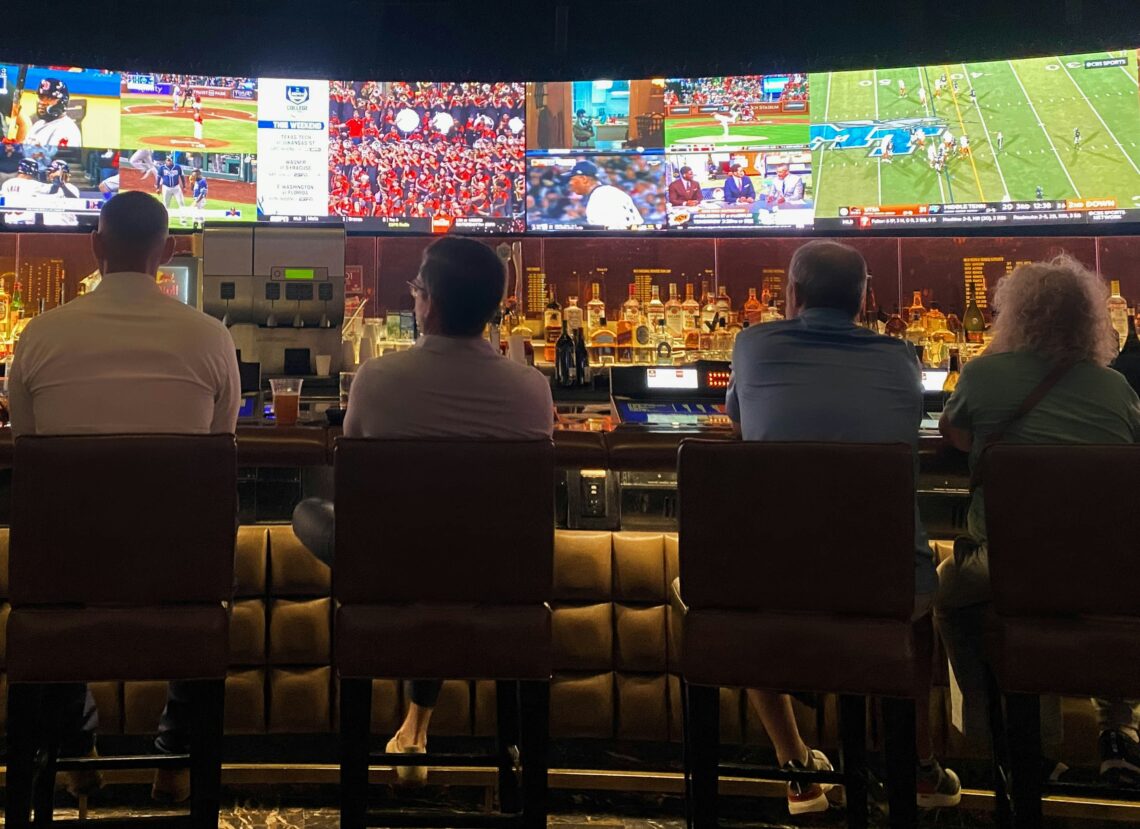
Modern sports fans rarely watch a game without a second screen nearby. Phones now light up after every touchdown, controversial call, or momentum-shifting turnover, turning live sports into a nonstop stream of reactions and updates.
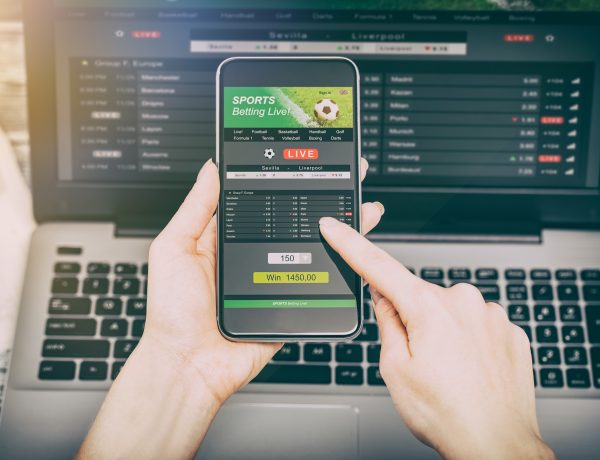
Prediction markets fit naturally into that environment because they transform passive viewing into active participation. A close playoff game feels different when fans can follow live market movement alongside the action itself.
Several trends are driving this shift:
- Second-screen viewing habits
- Real-time fan interaction
- Live sentiment tracking
- Faster mobile engagement
Broadcasts are evolving to match those habits. Live win probabilities, predictive graphics, and real-time analytics now appear regularly during games, giving fans more ways to follow momentum as it unfolds.
That constant interaction changes the viewing experience entirely. A regular midseason matchup suddenly feels more dynamic because every moment has the potential to reshape the narrative surrounding teams, players, and playoff races.
Beyond Wins, Losses, and Final Scores
Prediction markets have expanded what sports fans pay attention to. Conversations no longer revolve only around final scores because modern sports culture moves far beyond wins and losses during every major season.
Fans now follow player milestones, MVP races, coaching rumors, trade deadline drama, and even entertainment moments tied to major events. Some years, the Super Bowl halftime show generates almost as much discussion online as the game itself.
Prediction markets thrive in that environment because they let fans engage directly with evolving storylines. A baseball fan might track a player pursuing a milestone, while basketball fans follow award races and playoff positioning over the course of a season, with narratives developing gradually through ongoing performance and results.
Those “micro-moments” keep sports conversations alive long after games end. Sports culture increasingly operates like an ongoing story, and prediction markets extend fan engagement across that entire cycle throughout the entire sports calendar.
Trading the Narrative in Real Time
Prediction markets stand out because they let fans react as narratives evolve instead of locking into one opinion before kickoff. Every winning streak, injury update, or surprise performance can quickly reshape expectations.
A team that looked average in September can suddenly feel like a championship contender by November. One injury or late-season collapse can shift playoff conversations overnight, and fans follow those swings closely throughout the season.
That flexibility creates a different experience from traditional pregame predictions. Fans can respond to momentum changes in real time instead of simply waiting for the final result after placing a single prediction before kickoff.
The appeal comes from feeling connected to the evolving story itself. Every sports season brings surprise contenders and unexpected twists, while beginner-friendly guides explaining how to get started make prediction markets easier for first-time fans to follow.
Turning Sports Fandom Into a Shared Experience
Prediction markets have introduced a stronger social element into sports culture. Fans no longer keep their opinions to themselves, instead sharing predictions, reactions, and live commentary across social platforms throughout major sporting events.
Group chats explode during playoff games while TikTok creators post prediction breakdowns before major matchups. Reddit threads track momentum swings in real time, and sports podcasts debate market sentiment alongside team trends.
Accurately anticipating a comeback or identifying a momentum shift before it becomes obvious to others has become part of the experience itself. Predictions are increasingly used as conversation starters rather than isolated opinions.
That sense of community adds another layer to modern sports fandom. Creator-driven sports content has accelerated the trend even further, with influencers and analysts building entire audiences around predictions, reactions, and live sports discussions.
Reading the Crowd in Real Time
Prediction markets also function as a live reflection of public confidence. Fans increasingly follow market movement the same way previous generations watched scoreboard graphics or highlight packages during live games.
A sudden price swing after a key injury can instantly reveal how public sentiment changes. Many fans now use those shifts as another analytical tool while games unfold in real time during major moments late in games.
Several elements make that experience appealing:
- Transparent probability movement
- Crowd-driven sentiment
- Instant reaction to breaking moments
- Continuous momentum tracking
That “wisdom of the crowd” dynamic adds another layer to sports discussions. Instead of relying only on commentators or pregame analysis, fans can compare their own instincts against broader public expectations.
Prediction markets make sports conversations feel more fluid and responsive. The game itself remains central, but fan interpretation now evolves second by second. Even routine moments can spark major discussions.
Sports Entertainment Gets More Interactive
Leagues, broadcasters, and sports platforms increasingly understand that younger audiences want more than passive viewing experiences. Interactive engagement has become part of modern sports entertainment.
Predictive graphics, gamified viewing features, personalized content feeds, and live reaction tools continue appearing across sports media. Some broadcasts now feel closer to interactive experiences than traditional television coverage.
Fans now spend more time following player trends, matchup analysis, and evolving storylines beyond game day. Resources like FanDuel Research have become part of that routine for fans seeking deeper context around teams and performances. Sports culture continues moving toward participation. Fans want to feel involved, informed, and connected to the larger conversation surrounding every major event across modern sports.
The Next Phase of Modern Fandom
Prediction markets are expanding the sports fan experience because they make sports feel more interactive, social, and continuously connected. Games no longer exist in isolation from the conversations surrounding them.
Fans want participation alongside entertainment. They want live reactions, evolving narratives, shared experiences, and deeper engagement with every major moment. Prediction markets tap directly into those habits. Sports fandom has always been deeply personal. Modern prediction-driven experiences simply give fans more ways to express that energy in real time during live sporting events.
Read more entertainment articles at ClichéMag.com
Images provided by Deposit Photos, BingAI, Adobe Stock, Unsplash, Pexels, Pixabay Freepik, & Creative Commons. Other images might be provided with permission by their respective copyright holders.