
Last Updated on May 1, 2026 by Cliche
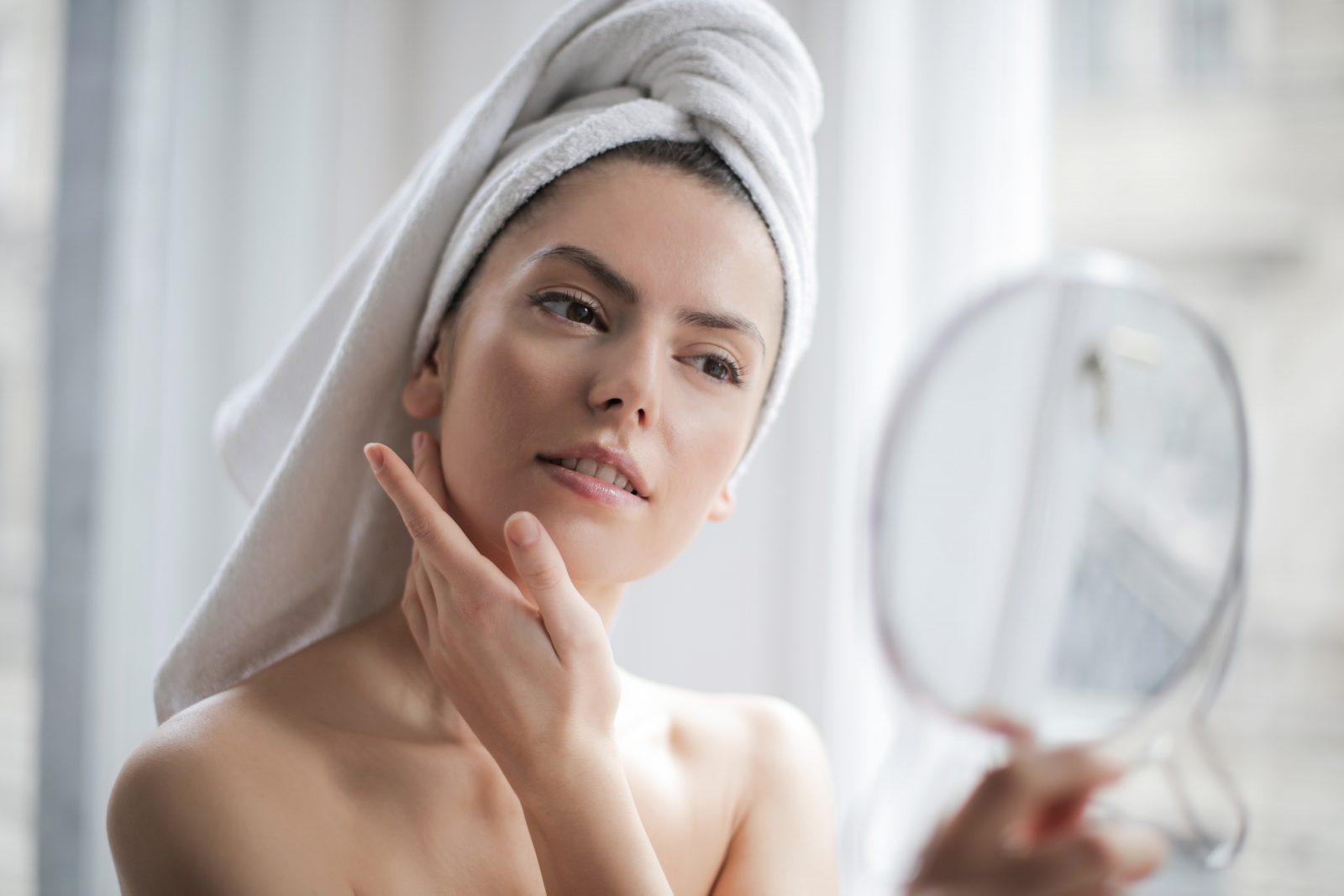
Surface dehydration can make skin feel less smooth, look less even, and lose the fresh finish patients expect after a facial. Skin may feel tight, appear flat in natural light, or show rough patches where makeup catches around the cheeks, jawline, and mouth. After resurfacing, the skin surface has been refined, but hydration support and even topical contact still matter.
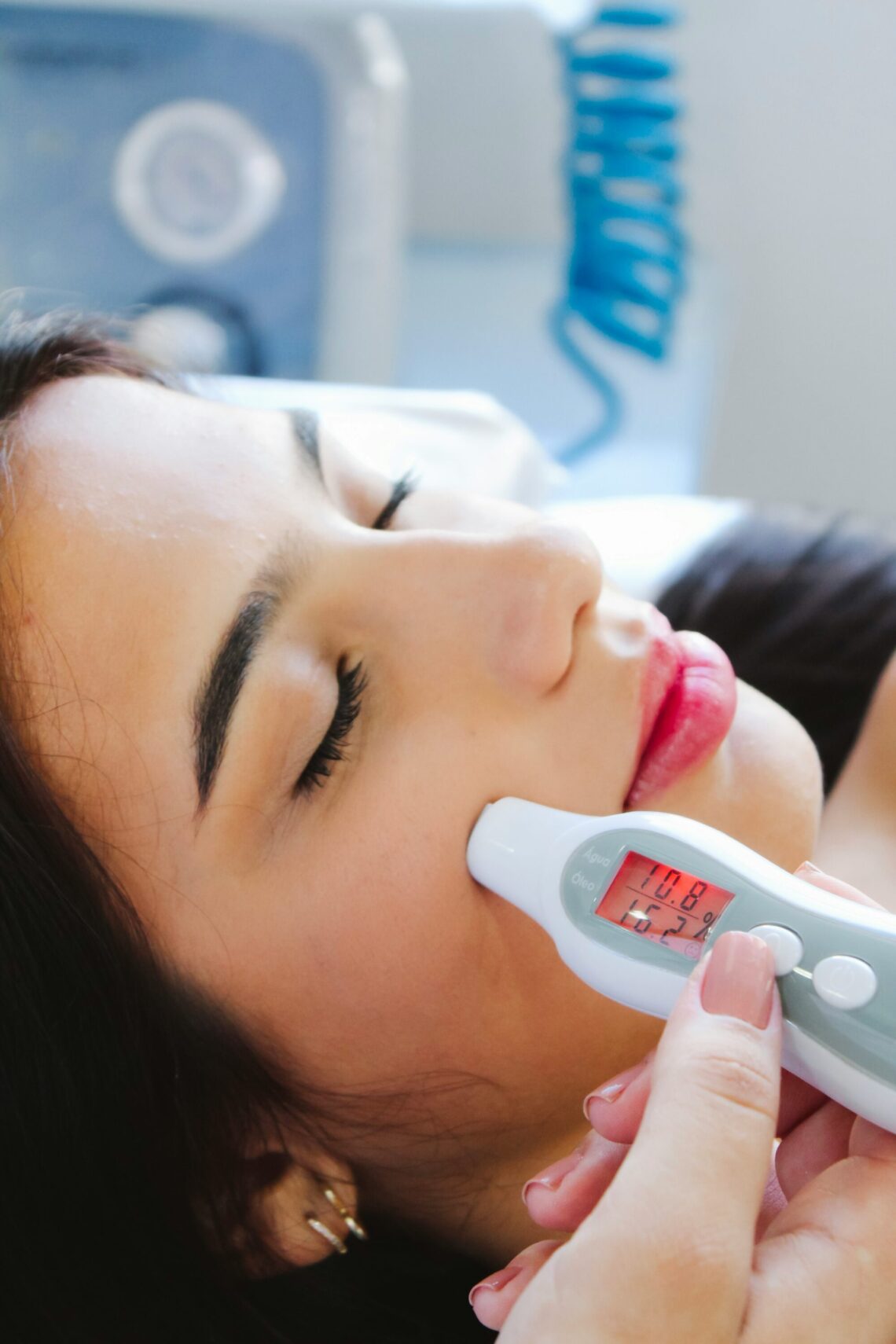
Aesthetic ultrasound can support topical application and help create a smoother, more hydrated finish without added recovery time. For medspa teams, ultrasound needs a clear role inside the service flow. The strongest use case is intact skin with dull tone, surface dryness, and uneven texture after resurfacing. Clear screening, thoughtful serum selection, and proper step placement make the treatment simple to explain, document, and price as part of a results-focused facial.
Best-Fit Skin Concerns
Skin suited for aesthetic ultrasound presents with surface-level irregularity rather than active inflammation. Look for a dull finish, uneven light reflection, fine roughness, mild crepiness, or makeup catching along the forehead, cheeks, jawline, and around the mouth. The skin should be intact, comfortable to touch, and free from open areas, active breakouts, heat, swelling, or pronounced sensitivity.
An ultrasound facial machine is a strong fit when the concern is tied to hydration support, topical contact, and short-term surface refinement after resurfacing. The goal is not to treat every visible concern in one session. It is to improve how the skin looks and feels where texture is most noticeable, while avoiding contact-based steps on skin that needs a calmer option.
Where It Fits in Protocols
Sea salt resurfacing leaves the skin refined and more receptive to topical contact, with residue removed and the surface prepared for the next step. Aesthetic ultrasound belongs directly after resurfacing because freshly cleared skin can receive nutrient-focused products without extra abrasion or extended recovery. Placement there keeps the protocol orderly and gives providers a clear clinical purpose.
Step order matters because ultrasound needs a defined job, not a vague boost near the end of the service. Proper placement supports circulation and helps the selected serum spread consistently across high-texture areas like the mid-cheek and mouth. Charting stays cleaner if notes connect ultrasound use to resurfacing, serum choice, and the visible concern treated.
Product Pairing That Matters
Serum behavior gives providers an immediate read on product fit after resurfacing. A formula that is too heavy can drag, pill, or leave a tacky film, while an overly active choice may create discomfort on freshly refined skin. Providers should look at slip, spread, absorption pattern, and finish before treating the product as appropriate for ultrasound.
Hydrating formulas support softness and plumpness when tightness or surface dryness leads the consultation. Antioxidant-focused options fit lackluster tone or visible environmental stress signs. Product selection should follow a clear decision path: patient concern, visible marker, topical category, serum behavior, then device placement. That sequence keeps the ultrasound step clinically logical and helps providers produce a consistent finish across appointments.
Screening and Treatment Selection
Screening should start with the patient’s exact intake language before moving into visual checks and touch tolerance. Notes such as “skin feels dry by midday,” “foundation clings,” or “tone looks flat” help staff connect the complaint to the treatment goal. Providers should then confirm that the skin is intact, comfortable under light contact, and not showing lesions, active breakouts, or significant irritation.
Treatment selection becomes stronger when staff document three points: the concern named by the patient, the visible marker observed by the provider, and the reason ultrasound was selected. A note can connect rough mid-cheek texture to serum support after resurfacing, or dull tone to antioxidant-focused topical use. This keeps the recommendation specific, reduces guesswork, and supports consultation-to-booking confidence.
Presenting It to Patients
Patient-facing language should be simple, specific, and tied to the concern discussed during intake. A clear explanation could be: “After resurfacing, this step helps the selected serum spread evenly and supports a smoother, more hydrated finish.” That gives patients a practical reason for ultrasound without relying on technical device language, vague upgrade claims, or a long explanation of settings.
For booking value, staff should connect the step to comfort, finish, and service consistency. Menu language can describe ultrasound as a noninvasive add-on for topical support, refined-looking skin, and a polished post-treatment feel after resurfacing. Consistent wording across consultations helps patients understand why the step is recommended, compare options more easily, and feel confident booking the treatment again.
Ultrasound earns its place as a protocol step when it helps staff connect resurfacing, serum selection, and visible skin improvement in one clear recommendation. Strong use comes from screening for intact, comfortable skin, then matching the topical choice to the concern discussed during consultation. Avoid treating the device as a generic upgrade or comfort add-on. Position it as a purpose-driven step that supports topical delivery, surface refinement, and a polished post-treatment finish. Clear intake prompts, consistent staff language, and simple menu descriptions make noninvasive skin rejuvenation easier to explain, easier to book, and easier to repeat across future visits.
Read more beauty and skin care articles at ClichéMag.com
Images provided by Deposit Photos, BingAI, Adobe Stock, Unsplash, Pexels, Pixabay Freepik, & Creative Commons. Other images might be provided with permission by their respective copyright holders.