
Last Updated on July 18, 2026 by Cliche
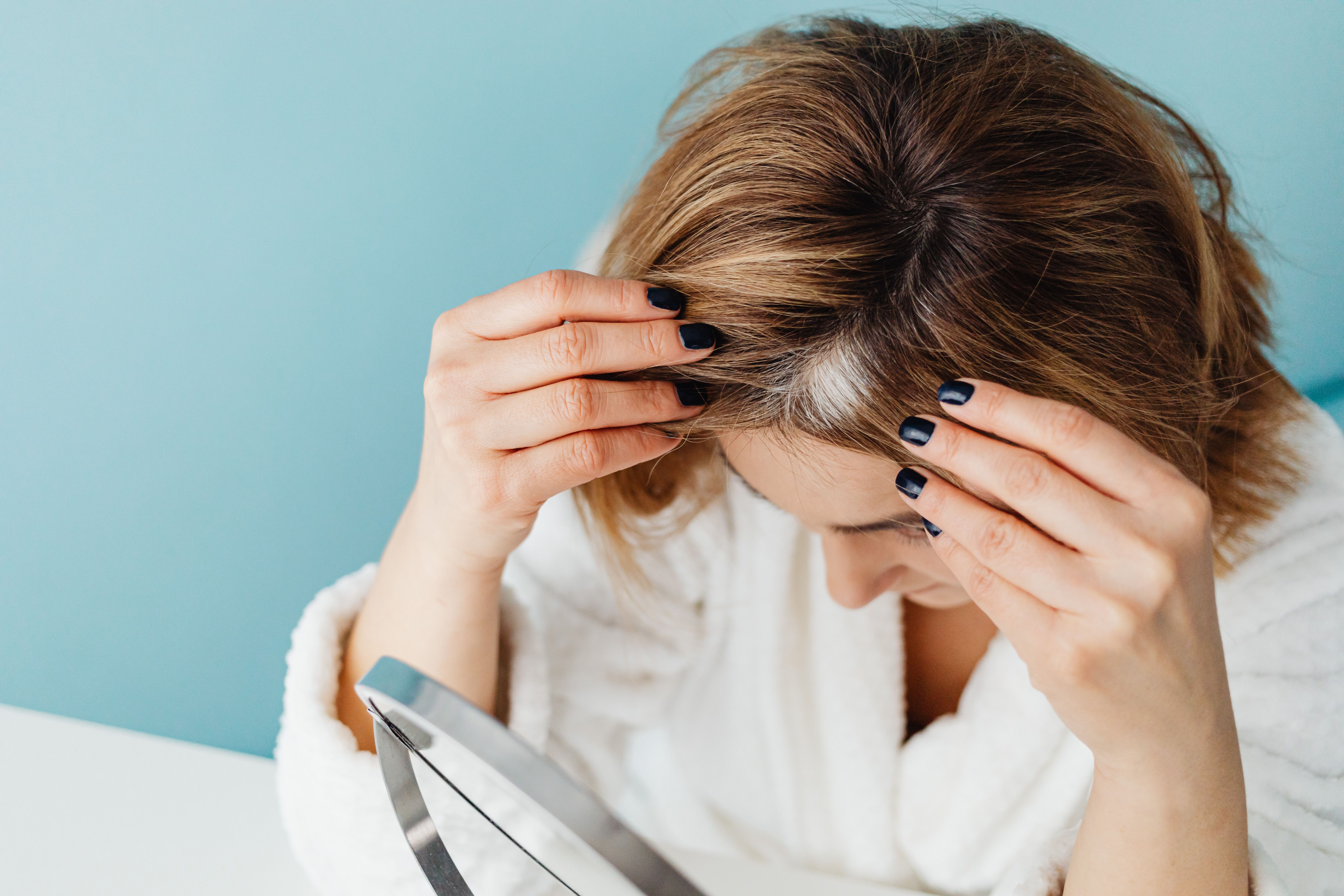
Female hair loss can start slowly or appear in a short period. Some women notice more hair in the shower. Others see a wider part, thinner ponytail, or visible scalp under bright light.
The first step is to understand the pattern. Hair shedding after stress is different from genetic thinning, autoimmune loss, or scalp inflammation.
Many readers ask: what is the reason of hair fall in female patients when the scalp looks normal but shedding feels excessive? The answer depends on timing, symptoms, health changes, and where the loss appears.
A complete evaluation helps separate temporary shedding from conditions that need medical care.
What Causes Female Hair Loss?
There is no single trigger. The most common causes include genetics, hormones, illness, stress, nutritional deficiency, autoimmune disease, thyroid problems, medication changes, and damage from styling.
When people search for ladies hair loss causes, they usually need a clear list of possibilities:
- Gradual thinning near the crown may suggest inherited hormonal sensitivity.
- Sudden shedding may follow fever, surgery, childbirth, or severe stress.
- Patchy loss may point to alopecia areata or scalp disease.
- Breakage may come from bleach, heat, tight hairstyles, or chemical treatments.
- Scalp pain, itching, or scaling may suggest inflammation or infection.
A practical way to answer what causes a woman’s hair to fall out is to check when the shedding started. Hair loss that begins two or three months after a major event often fits telogen effluvium. Slow thinning over years may suggest genetic loss.
For women exploring restoration after diagnosis, Dr. Antonio Aguilar’s female hair transplant services in Mexico may be relevant when the donor area is stable and the cause has been reviewed.
Common Patterns Women Notice
Female hair loss often begins with small changes. The ponytail feels smaller. The scalp shows more through the part. Styling takes longer because volume has dropped.
This kind of female hair thinning can progress slowly, so many women delay care until the change becomes harder to hide.
Noticeable hair loss across the scalp may follow illness, stress, or hormonal change. A bald patch may suggest alopecia areata. A receding hairline may appear with traction, genetics, or hormone-related thinning. Some women also develop bald spots from tight braids, extensions, or repeated tension.
|
Pattern |
Possible meaning |
|
Diffuse shedding |
Stress, illness, thyroid issue, deficiency |
|
Wider part |
Genetic or hormonal thinning |
|
Round patch |
Alopecia areata or scalp disease |
|
Broken hairs |
Heat, bleach, or styling damage |
|
Front edge thinning |
Traction or androgen sensitivity |
Main Types of Female Hair Loss
The main types of hair loss include female pattern hair loss, telogen effluvium, alopecia areata, traction alopecia, scarring alopecia, and breakage.
Female pattern baldness usually develops slowly. It often affects the crown and part line while the frontal hairline stays mostly intact. A family history of thinning can raise the chance of this pattern.
Telogen effluvium causes more shedding than usual. The scalp may still look normal, but more hairs enter the shedding phase at the same time.
Alopecia areata can create round smooth patches. Traction alopecia comes from repeated pulling. Scarring alopecia needs faster care because inflammation can damage follicles.
Some women compare their thinning to male pattern hair loss, but the pattern often differs. Male pattern baldness usually starts at the temples or crown, while women more often lose density across the top.
For stable cases that do not respond well to medical care, Dr. Antonio Aguilar’s female hair transplant services in Mexico can be discussed after diagnosis, scalp review, and donor planning.
Hormones, Health, and Medications
Hormonal shifts can happen after pregnancy, during perimenopause, after stopping or starting birth control pills, or with conditions such as polycystic ovary syndrome pcos.
Low iron, low vitamin D, low protein intake, restrictive dieting, and thyroid disease can also trigger shedding. A common cause of hair shedding is a body stressor that pushes follicles into the resting phase.
The phrase causes of hairfall in females often points to mixed triggers. A woman may have genetic thinning made worse by stress, deficiency, or hormone changes.
Bring these details to a medical visit:
- When shedding started
- Recent illness, childbirth, surgery, or stress
- Diet changes or weight loss
- New medications or supplements
- Scalp itching, burning, flaking, or pain
- Family thinning patterns
When Sudden Hair Loss Needs Care
A sudden hair thinning female patient should not wait if the loss is rapid, patchy, painful, or linked with scalp redness.
Book a dermatology visit if you shed heavily for more than six to eight weeks, see a round patch, feel scalp pain, or notice scaling. You should also seek care if thinning appears with acne, irregular periods, facial hair growth, or recent medication changes.
Many women search for female baldness causes only after the change becomes visible. Earlier care can protect time because some conditions respond better before the follicle weakens.
How Doctors Diagnose the Cause
Diagnosis starts with pattern recognition. A clinician checks the scalp, part line, crown, temples, hair shaft, and overall density.
They may perform a hair pull test to check active shedding. Blood work may review iron storage, thyroid function, vitamin D, hormones, or signs of inflammation. A scalp biopsy may help when scarring alopecia or inflammatory disease is possible.
Searches like hair loss for female often lead to general advice, but treatment should match the cause.
Triggers that can make hair loss include stress, genetics, low nutrients, hormone shifts, scalp disease, and repeated tension. Some treatments may have side effects, so professional guidance matters.
Treatment Options and Regrowth
The right plan depends on whether follicles are still active. Some shedding improves after the trigger resolves. Other forms need ongoing care to protect density.
Common treatment options may include topical minoxidil, prescription medication, anti-inflammatory treatment, correction of deficiencies, low-level laser therapy, platelet-rich plasma, or transplant planning in selected cases.
Practical steps can help while you wait for progress:
- Avoid tight hairstyles and heavy extensions.
- Reduce heat styling and harsh chemical treatments.
- Eat enough protein.
- Ask about iron, thyroid, and vitamin D testing.
- Take monthly photos instead of checking daily.
- Treat scalp itching or flaking early.
Do not start several products at the same time. You will not know what helped or irritated your scalp.
Many women can improve density when the cause is temporary or treatable. Telogen effluvium often improves after the trigger passes. Deficiency-related shedding may improve when levels recover. Genetic thinning can also improve, but it usually needs longer-term care.
You may still lose hair early in treatment because the growth cycle takes months to shift.
Myths About Female Hair Loss
Women’s hair loss is not always caused by stress. Stress can trigger shedding, but genetics, hormones, nutrition, autoimmune disease, and scalp inflammation may also play a role.
Washing hair does not cause true loss. Shampooing releases hairs that were already ready to shed.
Another myth is that all thinning is permanent. Some forms improve. Others can be managed with early care.
The best next step is simple: identify the pattern, document changes, review health triggers, and get a diagnosis before trying random products.
Read more beauty and hair articles at ClichéMag.com
Images provided by Deposit Photos, BingAI, Adobe Stock, Unsplash, Pexels, Pixabay Freepik, & Creative Commons. Other images might be provided with permission by their respective copyright holders including AI generators.