
Last Updated on January 22, 2026 by Cliche
Creating a sense of safety in residential areas at night doesn’t always require major overhauls or expensive security systems. Often, small, strategic changes can make a big difference in how residents feel and how a neighborhood functions after dark. Here are practical steps that can enhance safety and foster a more secure environment.
Improve Lighting
One of the simplest and most effective ways to make an area feel safer is to improve street and pathway lighting. Dark streets and alleys can become hotspots for unwanted activity and make residents feel uneasy. Installing brighter, energy-efficient LED streetlights, motion-sensor lights for pathways, and illuminating entryways to homes can significantly reduce anxiety and deter potential criminal activity.
Maintain Visibility Through Landscaping
Overgrown bushes, tall hedges, and unkempt trees can create hiding spots and reduce sightlines in neighborhoods. Keeping landscaping trimmed and ensuring that windows and entrances are visible from the street can prevent secluded areas where crime could occur. Simple pruning and thoughtful landscaping can make a neighborhood feel more open and monitored, increasing the perception of safety.
Promote Natural Surveillance
Encouraging neighbors to be active participants in community safety, sometimes called “eyes on the street,” can make a noticeable difference. Residents walking dogs, jogging, or simply spending time outside in the evening naturally increase surveillance and make it harder for criminal activity to go unnoticed. Regular social engagement also builds trust, making neighbors more likely to look out for each other.
Enhance Property Boundaries
Well-defined property lines and visible boundaries can subtly communicate that an area is cared for and monitored. Fences, low walls, or decorative gates can provide both security and aesthetic appeal. Lighting these boundaries and using clear signage can further discourage intruders or loiterers from targeting the area.
Reduce Opportunities for Loitering
Loitering in residential areas can create discomfort and a sense of unease, particularly at night. Simple solutions, like removing unnecessary benches, clearing vacant lots, and installing subtle deterrents, can help. For example, installing targeted devices as homeless deterrents can prevent unwanted gatherings in certain areas while maintaining a respectful and non-confrontational approach. This reduces both the risk of crime and the perception of neglect.
Encourage Community Programs
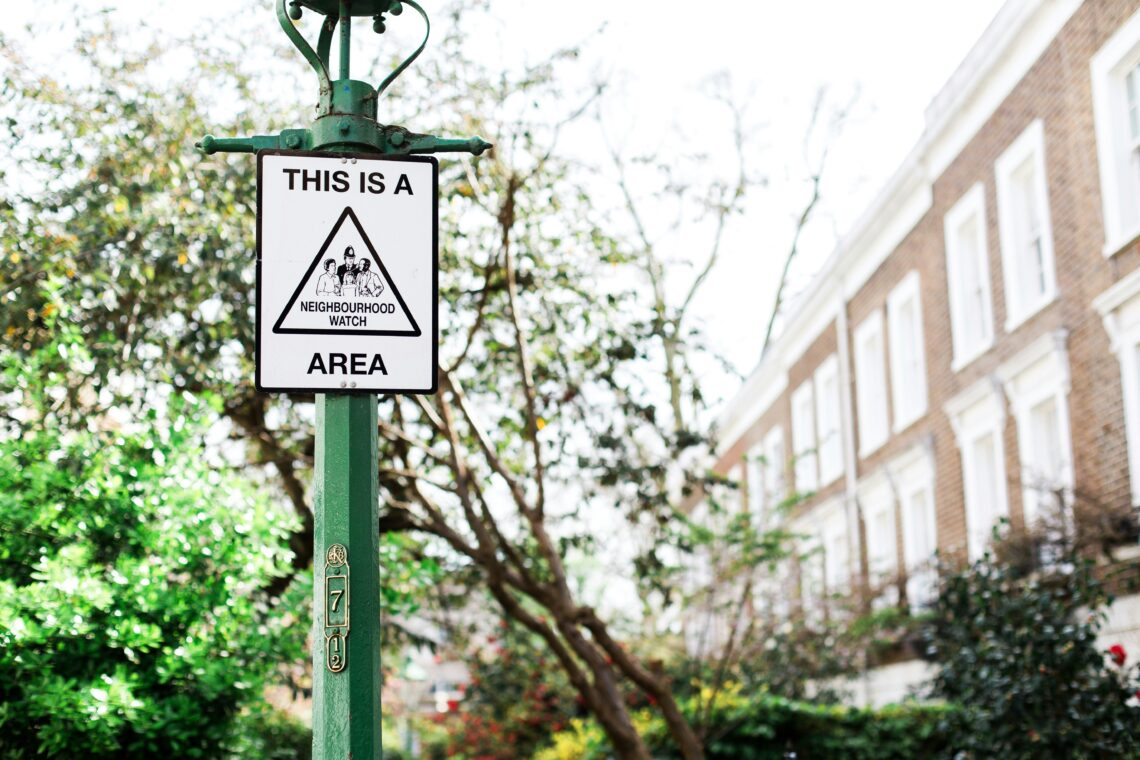
Neighborhood watch programs, evening walking groups, and community patrols can increase safety through organization and consistent presence. These initiatives not only deter crime but also foster community cohesion, which is one of the strongest predictors of a safe, resilient neighborhood.
Focus on Small Aesthetic Upgrades
Even minor improvements, such as repainting curbs, fixing broken street signs, and adding decorative lighting, can influence how residents and visitors perceive safety. Well-maintained streets communicate that a neighborhood is cared for and watched over, reducing fear and encouraging more evening activity.
Conclusion
Feeling safe at night is not just about preventing crime; it is about creating an environment where residents feel confident moving through their neighborhood. By improving lighting, maintaining visibility, promoting community engagement, and using practical solutions, small changes can create a large impact. A neighborhood that feels safe encourages outdoor activity, strengthens community ties, and fosters a sense of pride among residents.
Read more lifestyle articles at ClichéMag.com
Images provided by Deposit Photos, BingAI, Adobe Stock, Unsplash, Pexels, Pixabay Freepik, & Creative Commons. Other images might be provided with permission by their respective copyright holders.