
Last Updated on September 3, 2025 by Cliche
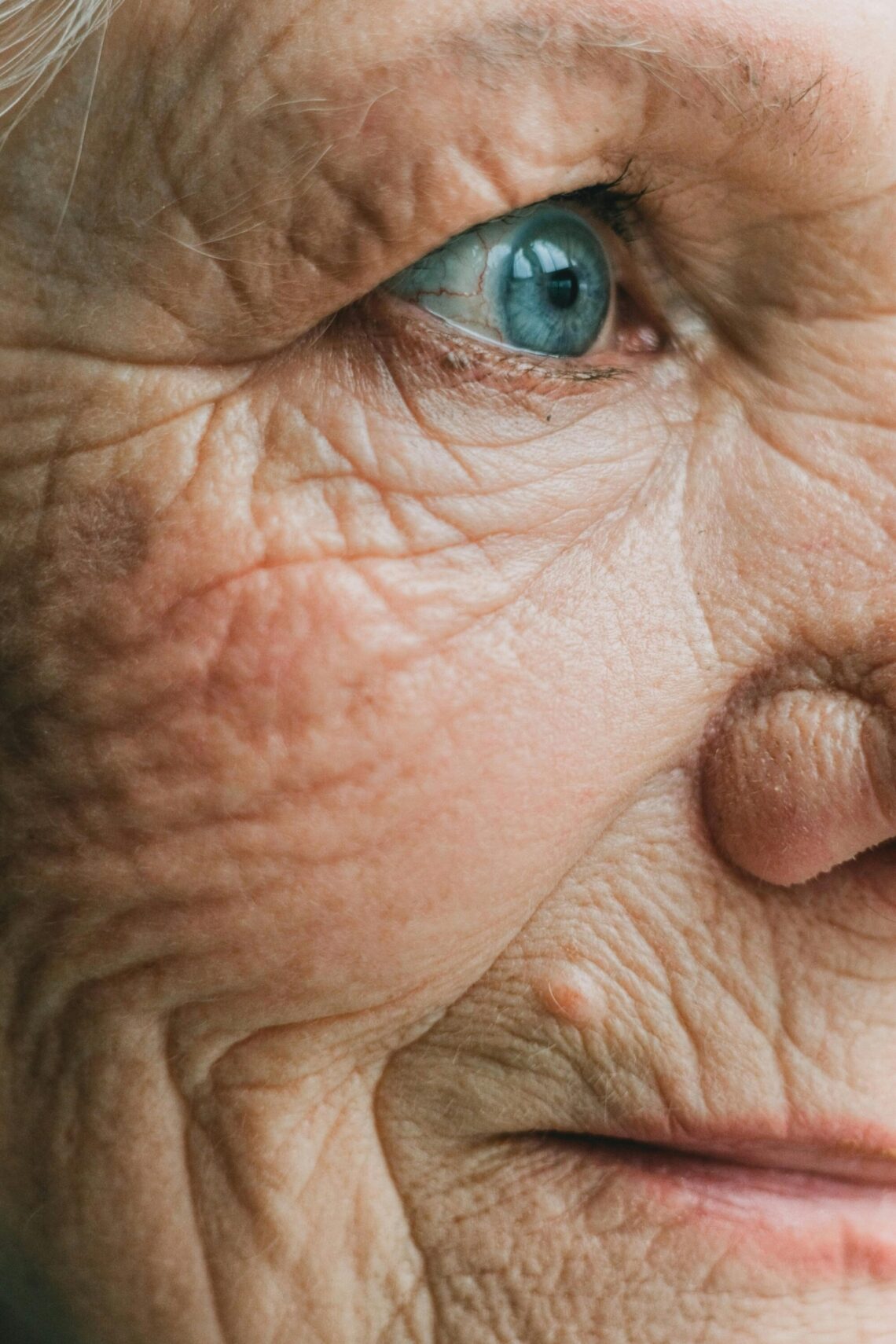
As we age, changes in our vision are quite common. One of the most frequent causes of vision problems in older adults is cataracts. These clouding areas on the lens of the eye can slowly blur what we see and affect daily life.
Understanding cataracts and their symptoms is essential for proper care and clear vision. Let’s explore the most common kinds and how to recognize them.
Nuclear Cataracts: The Central Clouding
Nuclear cataracts form deep in the center of the lens. This type often develops gradually over several years. At first, colors may appear faded or yellowed, and vision may become blurry or dim.
Some people notice their near vision improves briefly, a curious effect called “second sight.” Over time, the cloudiness thickens, making it harder to read, drive, or see clearly in low light.
Cortical Cataracts: The Wedge-Shaped Spokes
Cortical cataracts begin at the edges of the lens and look like white, wedge-shaped spokes reaching toward the center. These spots grow larger and can cause problems with glare and light sensitivity.
Seniors with cortical cataracts may find bright lights, especially at night, uncomfortable or blinding. This can make driving after dark challenging and exhausting. The clouding also affects how sharply objects appear, especially when looking through the affected parts of the lens.
Posterior Subcapsular Cataracts: The Back Layer Cloud
Posterior subcapsular cataracts form near the back of the lens. They tend to develop faster than other types and often affect close-up vision first.
Reading small print, using a computer, or seeing in bright light can become difficult. This type can also cause glare or halos around lights, making nighttime activities more stressful. Because of their rapid progression, symptoms may seem to appear suddenly.
Symptoms to Watch For
Cataracts may not cause pain, redness, or tears, so it’s easy to overlook early signs. Common symptoms include blurred or cloudy vision, colors seeming dull or faded, difficulty seeing at night, sensitivity to bright lights or glare, and seeing halos around lights.
Frequent changes in eyeglass prescriptions can also be a clue that cataracts are developing. If you notice any of these signs, it’s important to schedule an eye exam.
Understanding Cataract Recurrence
Sometimes, even after surgery to remove cataracts, vision problems can return. This is often due to a condition called posterior capsule opacification, where the thin membrane holding the lens becomes cloudy again. This issue is well known among eye care professionals and can be treated easily with a quick laser procedure. For more on this, cataract recurrence explained for seniors offers helpful information to ease concerns and guide next steps.
Seeing Ahead
Understanding cataract types and symptoms is the first step toward clear vision. If you or a loved one notices changes in sight, don’t delay seeking advice from an eye care professional. Early detection and proper care can make all the difference.
Want to learn more about eye health and how to keep your vision sharp? Explore our full guides and expert tips for seniors ready to see the world clearly again.
Read more health articles at ClichéMag.com
Images provided by Deposit Photos, BingAI, Adobe Stock, Unsplash, Pexels, Pixabay Freepik, & Creative Commons. Other images might be provided with permission by their respective copyright holders.