Last Updated on May 21, 2025 by Cliche
When it comes to waxing, timing is everything. We’ve all been there—wondering when the best time is to schedule a waxing appointment to ensure smooth and lasting results. The key is to schedule waxing every 4 to 6 weeks to effectively manage hair growth and maintain that fresh feel for longer. This timeframe aligns with the general hair growth cycle and helps disrupt regrowth, making hair appear finer over time.
Why is this timeframe crucial? Simply put, waxing at regular intervals keeps you in control. When we maintain a consistent schedule, it not only prevents pesky ingrown hairs but also trains the hair to grow back weaker and sparser. This means each session becomes less painful and more efficient.
We understand that everyone’s hair grows differently, and factors such as genetics or hormonal changes can affect this routine. While 4 to 6 weeks is the sweet spot, some might find a 3 to 5-week interval works better. The goal is to find a rhythm that suits your unique needs while keeping skin smooth and hair-free.
Understanding Hair Growth and Waxing Basics
Waxing is a method that not only removes hair but also helps manage its growth. By understanding the hair growth cycle and the types of wax available, we can make informed decisions about our hair removal routine.
The Hair Growth Cycle
Hair growth happens in cycles, and knowing these cycles helps us time our waxing sessions for the best results. The cycle has three main stages: anagen (growth), catagen (transition), and telogen (resting).
During the anagen phase, hair actively grows. Waxing during this time can prolong the period before hair grows back. In the catagen phase, hair growth slows and the follicle renews. Finally, in the telogen phase, old hair rests and eventually falls out.
Understanding this cycle helps us schedule waxing appointments optimally. Typically, waxing every 4-6 weeks aligns well with these stages and can disrupt the cycle, leading to thinner regrowth over time. This timing ensures a longer span of smooth skin.
Different Types of Wax
Choosing the right type of wax impacts both effectiveness and comfort. There are primarily two types: hard wax and soft wax.
Hard wax is ideal for those sensitive areas like the face or bikini line because it adheres to the hair, not the skin—making it less painful. We apply it, let it harden, and then remove it without strips.
Soft wax, on the other hand, is commonly used for larger areas like legs and arms. It’s applied in thin layers and removed with strips. Although it can be more uncomfortable, it efficiently removes fine and coarse hair.
By selecting the appropriate wax, we can tailor our hair removal experience, ensuring it is both effective and gentle on our skin.
If you’re new to waxing or looking for products designed to make the process easier and more effective, Tress Wellness offers a thoughtful range of at-home waxing kits and post-wax care essentials. Their products are designed to be beginner-friendly while delivering salon-quality results—perfect for those looking to maintain their routine comfortably at home.
Establishing Your Waxing Schedule
To keep our skin smooth and hair-free, we need a smart plan for waxing. Factors like hair type, pain tolerance, and special occasions will guide our schedule. Let’s explore what affects how often we wax and the best intervals for each area.
Factors Influencing Waxing Frequency
Adjusting our waxing schedule depends on different factors. First, hair regrowth rate is crucial; some may notice faster hair growth than others. Second, skin sensitivity plays a role. Sensitive skin might need more time to recover, causing longer gaps between sessions.
Our personal pain tolerance also matters. More frequent waxing can reduce discomfort for some, as hair becomes finer, making the process less painful.
Lastly, consider special occasions or vacations. If we plan on being hair-free for an event, scheduling a session 3-5 days before ensures our skin looks its best.
Recommended Waxing Intervals
Generally, we should wax every four to six weeks for most areas. This interval manages hair growth while maintaining smooth skin. The facial area might need more frequent sessions, every two to four weeks, due to faster regrowth.
The bikini line and underarms can typically be done every three to four weeks. Consistent waxing helps these areas stay smooth and reduces regrowth.
Legs are often less of a concern as the hair tends to be thicker and slower to grow back. Every four to six weeks is a suitable interval. Consistency is key to maintaining a comfortable routine and achieving optimal results.
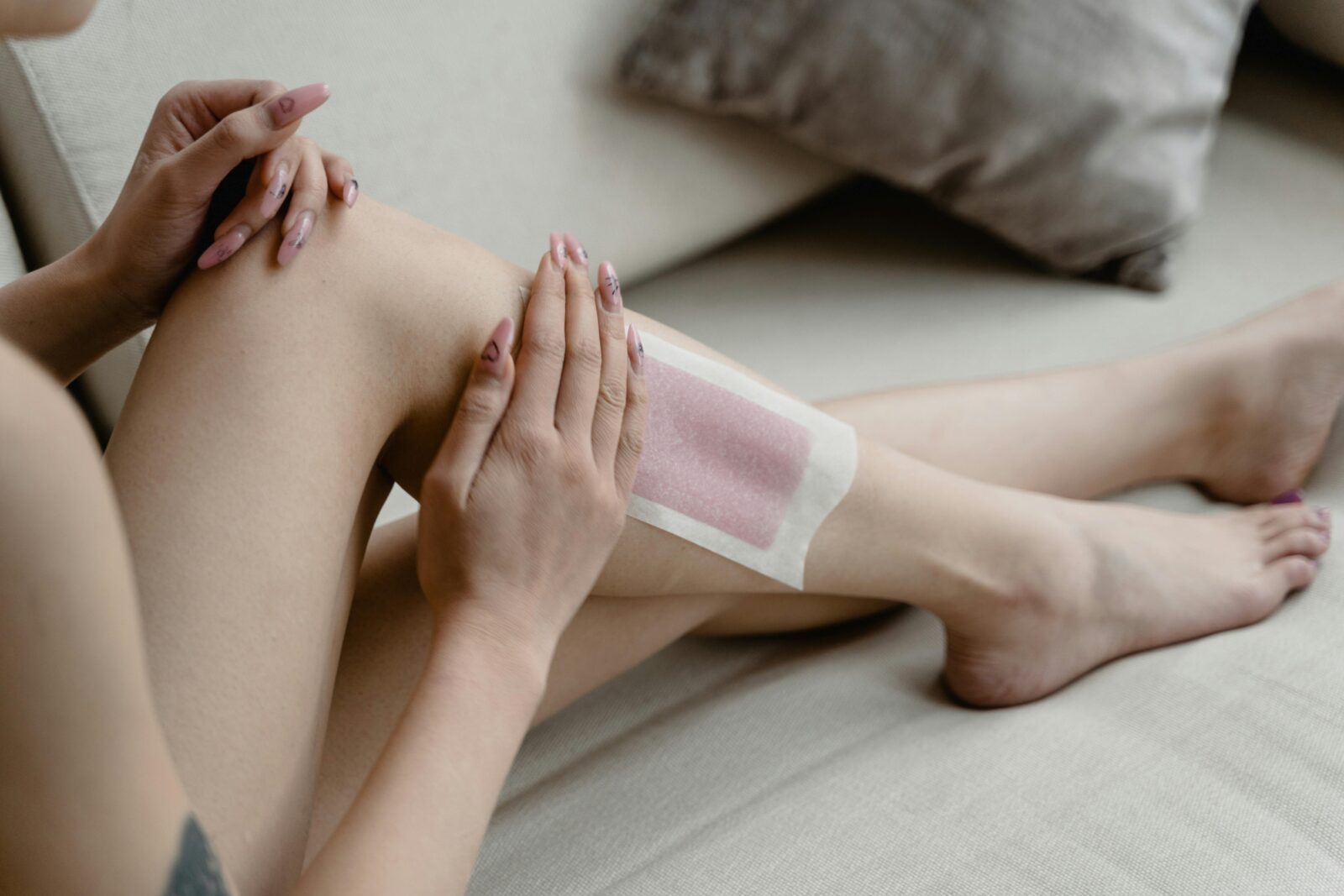
Photo by on Pexels
Special Considerations for Sensitive Areas
When it comes to waxing, our approach is to be careful and precise, especially in sensitive areas like the bikini area. Brazilian and bikini waxes need special care, while preventing ingrown hairs is crucial for smooth and healthy skin.
Brazilian and Bikini Wax Guidelines
For Brazilian and bikini waxing, timing and preparation are important. Hair should be at least a quarter of an inch long for effective removal. We recommend waxing every 3 to 4 weeks.
Pain sensitivity is higher in these areas, so it’s a good idea to avoid waxing when the skin might be more sensitive, like during or right before menstruation. Lowering caffeine and alcohol intake on the day of the wax can also help reduce sensitivity.
Preventing and Managing Ingrown Hairs
Ingrown hairs are common but manageable. Exfoliation is key; gently exfoliate the area with a mild scrub or cloth a few times a week. This helps remove dead skin cells and allows hair to grow out properly.
Moisturizing the skin is also vital to keep it soft and less likely to trap hair. If ingrown hairs do occur, apply a warm compress to soothe the area and avoid picking at them to prevent infection and scarring.
Aftercare and Maintenance
After waxing, our skin needs proper care to heal and stay protected. We should focus on keeping the skin soft and preventing irritation.
Post-Waxing Skin Care
Immediately after waxing, our skin can feel sensitive or irritated. To reduce discomfort, applying a cold compress can really help. Using a gentle, fragrance-free moisturizer daily keeps the skin supple and hydrated. Avoid exfoliating the area too harshly for a few days to prevent any inflammation or irritation.
It’s also important to avoid tight clothing, which can rub against the skin, causing more irritation. If we feel any discomfort, taking an ibuprofen can ease the pain. Let’s resist the urge to scratch, which could lead to further problems.
Long-Term Protective Measures
For long-term maintenance, establishing a regular waxing schedule is key. This means aiming for every 3-4 weeks, as consistent waxing helps in thinning the hair over time. We should consistently use moisturizing products to maintain a healthy protective coat on our skin.
Avoid exposing waxed areas to direct sunlight for at least 48 hours to prevent damage. Staying away from heat treatments like tanning beds is wise too. Consistency and protection ensure we keep our skin healthy and smooth.
Read more beauty articles at ClichéMag.com
Images provided by Deposit Photos, BingAI, Adobe Stock, Unsplash, Pexels, Pixabay & Creative Commons