
Last Updated on August 11, 2026 by Cliche
Lake LBJ sits in the Texas Hill Country about 65 miles northwest of Austin, and it’s one of the few constant-level lakes in the state. That single fact drives a lot of buyer interest; your dock won’t be stranded on mud flats six months out of the year. If you’re serious about buying here, you need to understand the market, evaluate waterfront-specific risks, and move through the process with real precision. This guide walks you through how to choose the perfect home near Lake LBJ, Texas so you arrive at closing day confident rather than second-guessing the biggest purchase of your life.
Understanding the Lake LBJ Real Estate Market
The Lake LBJ market covers several communities, and the distinctions between them matter more than most buyers expect. Horseshoe Bay, Kingsland, Sunrise Beach, and Granite Shoals each carry their own price levels, HOA structures, and access to amenities. Browsing homes near Lake LBJ reveals a wide range of listing types, modest lake cabins under $500,000 on one end, luxury estates priced well above $2 million with private boat docks and panoramic water views on the other. Knowing what drives those price differences is the first real step toward narrowing your search to properties that actually fit your needs and budget.
The constant-level designation means the lake stays full year-round because the Wirtz Dam controls water release. Waterfront homes here keep their dock access and views regardless of seasonal rainfall; that consistency is a genuine advantage over the fluctuating Highland Lakes nearby, and it shows up directly in what buyers pay on the water.
Property Types and Price Ranges
Lake LBJ listings fall into a few broad categories. Knowing which one fits your situation saves you from wasting time touring the wrong properties for weeks.
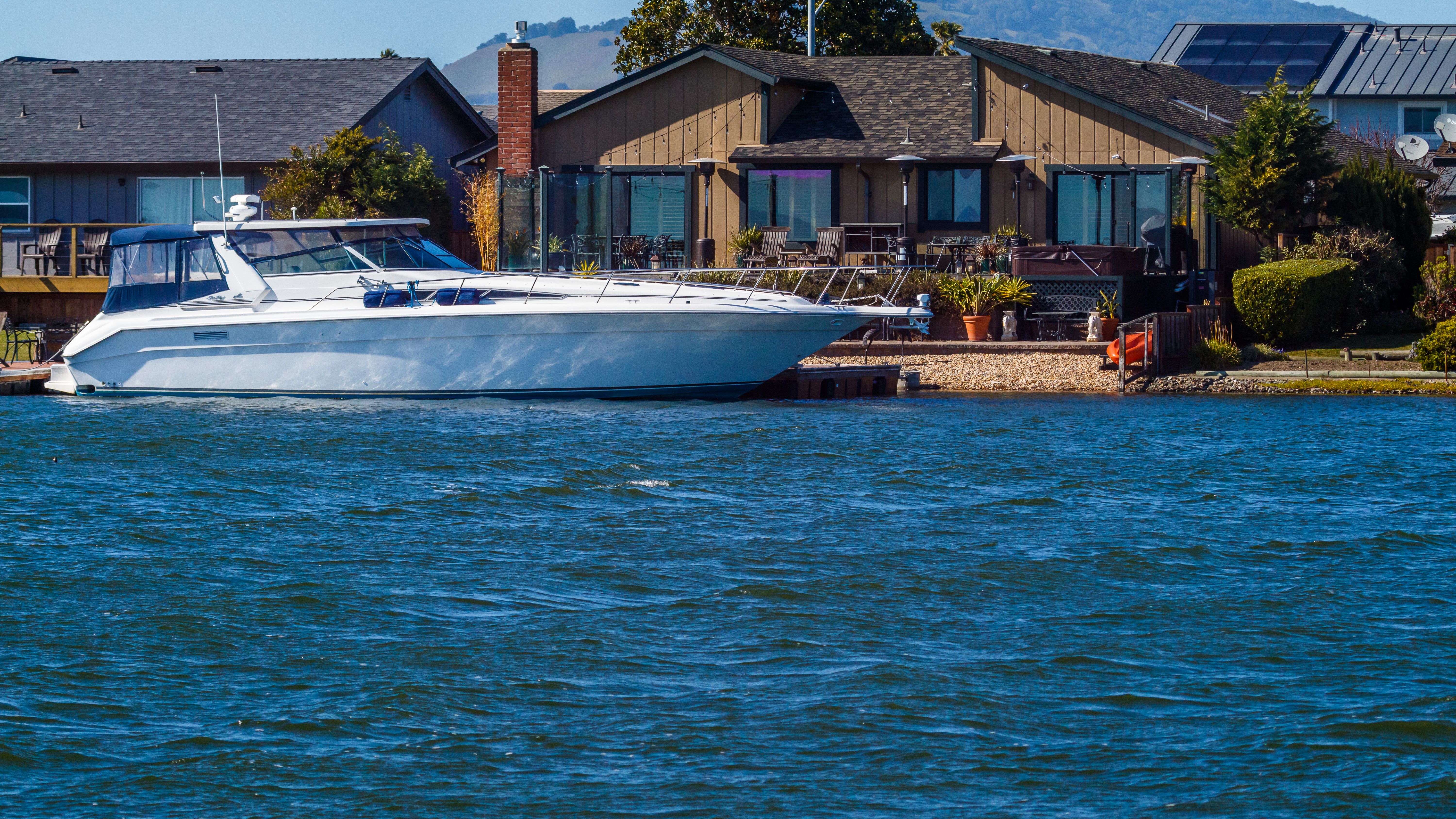
Waterfront homes with private docks and direct lake frontage carry the highest price tags. Expect to spend $900,000 to $2.5 million or more for a true waterfront property in a desirable cove with good water depth and a covered boat slip. Water-access properties sit one or two streets back from the lake but include deeded access to a community dock or a neighborhood boat launch; these typically run $400,000 to $800,000 and represent a solid middle ground for buyers who want the lake lifestyle without the full waterfront premium. Interior lots in lake communities exist too, mostly in developments like Horseshoe Bay Resort, and they start under $400,000.
Your choice here should reflect how much time you actually plan to spend on the water. Not just how the listing photos look on a Saturday morning search.
Waterfront vs. Water-Access Properties
The difference between “waterfront” and “water access” sounds obvious, but it goes deeper than the price gap. A true waterfront property gives you a private dock, and that dock adds real resale value. But it also means you own the shoreline, which brings maintenance costs and potential permitting requirements for any dock modifications or improvements. The Lower Colorado River Authority (LCRA) regulates structures on the lake, and any dock work requires LCRA approval before construction starts.
Water-access properties avoid that responsibility, but you’re sharing a community boat ramp or dock with neighbors, which can create friction during peak summer weekends. And shared access means shared maintenance costs through an HOA or lake association. So weigh your actual usage pattern honestly. A buyer who heads to the lake four or five times per year may prefer water access and a lower purchase price over a private dock that sits unused most months.
Factors to Evaluate Before You Buy
Location and listing price only get you so far. The factors that separate a smart Lake LBJ purchase from a frustrating one are mostly the details buyers skip because they’re excited about the views, and honestly, that’s understandable. Budget enough time to investigate flood zone status, insurance costs, water depth at the dock, and septic system condition before you make an offer. These aren’t bureaucratic checkboxes. They’re the variables that determine your true annual cost of ownership and your resale potential five or ten years out.
Some of the best-looking lakefront homes carry hidden costs that make the lower-priced property two lots down the far better financial decision. The goal here is to give you the specific items to look at so you don’t discover problems after closing.
Lake Access and Dock Rights
Water depth at the dock is one of the most overlooked factors in a Lake LBJ purchase. The lake has shallow areas, particularly in coves, where depth at the dock can drop to two or three feet under normal conditions. If you plan to keep a ski boat or wakesurf boat, those depths are a little tight. Arrange to measure the depth of the boat slip yourself before you make an offer. A property that requires dredging every few years may be worth significantly less than its listing price suggests.
Beyond depth, confirm that the dock permit is current and transferable and ownership of the fill area will be part of the sale. Purchasing a property without the fill area can expose you to problems when it comes time for repair work on the dock.
Flood Zones and Insurance Costs
Flood zone designation affects both your insurance costs and your ability to finance the property. Many Lake LBJ properties sit in FEMA-designated flood zones, which requires you to carry flood insurance on top of standard homeowner’s coverage. On a waterfront home priced at $1.2 million, combined insurance premiums can run $8,000 to $15,000 per year or higher depending on elevation and flood zone classification.
Request the property’s elevation certificate early in the process. That certificate determines your flood insurance rate, and it can reveal whether the home qualifies for lower-risk pricing. Some sellers have invested in elevation improvements or flood-proofing measures that reduce their premium, and those improvements transfer to you as the buyer. But if no elevation certificate exists, budget time to have one prepared before you commit. Check whether the property has a history of flood claims through the CLUE report (Comprehensive Loss Underwriting Exchange), which your insurance agent can pull. A pattern of past claims is a red flag worth taking seriously.
Moving Through the Buying Process
The mechanics of buying a home near Lake LBJ follow Texas real estate law, but the waterfront context adds a few extra steps that a standard suburban transaction doesn’t include. You need a lender experienced with vacation and second-home properties, because underwriting requirements differ from a standard residence purchase. Second-home loans typically require a 10 to 20 percent down payment and a slightly higher interest rate; investment property loans carry even stricter terms.
Be clear with your lender upfront about how you intend to use the property. Misrepresenting occupancy intent on a loan application creates serious legal risk, and it’s not worth it. Budget two to four weeks longer than a typical transaction for waterfront-specific due diligence: the elevation certificate, LCRA permit review, and dock inspection all take time. Title companies in the area are familiar with these requirements, but the timeline still stretches when multiple reports are in play simultaneously.
Making an Offer in a Competitive Market
Lake LBJ inventory is generally tight, and correctly priced properties tend to sell fast, especially during spring and early summer. Get mortgage pre-approval in hand before you tour properties, not after. A pre-approval letter from a reputable lender signals to sellers that you’re serious and financially qualified, which matters when they’re reviewing multiple offers. Sellers here often favor buyers who keep the option period short (seven to ten days rather than fourteen) and who limit the number of contingencies.
But don’t let competitive pressure push you into waiving the inspection. A professional home inspection combined with a dock and marine structure inspection is non-negotiable on a lakefront purchase. The trick is remembering that these inspections cost $600 to $1,200 combined and routinely uncover issues that save buyers far more than that amount in post-closing repairs. Negotiate repairs or credits based on inspection findings before you remove contingencies.
Conclusion
Choosing the perfect home near Lake LBJ, Texas takes more than finding a property with a great view. You need to understand the community differences, confirm dock depth and permit status, evaluate flood zone costs honestly, and move through due diligence without cutting corners under competitive pressure. Get your financing lined up early, work with agents and attorneys who know waterfront transactions well, and give yourself enough time to investigate the property properly.
The Lake LBJ market rewards buyers who do the work upfront. Take your time, learn what are the most important factors in your purchase, and be ready to move when you find a property that delivers real long-term value on one of Texas’s most desirable lakes.
Read more real estate articles at ClichéMag.com
Images provided by Deposit Photos, BingAI, Adobe Stock, Unsplash, Pexels, Pixabay Freepik, & Creative Commons. Other images might be provided with permission by their respective copyright holders including AI generators.