
Last Updated on September 5, 2026 by Cliche
A great trip starts with picking the right destination, and that choice matters more than ever right now. Many travelers book popular towns without checking travel advisories or safety concerns first. Then they arrive to find packed streets, broken infrastructure, or real security risks.
The U.S. Department of State and International SOS publish travel safety data that points to 12 towns you shouldn’t visit if you value safety and comfort. These places struggle with overcrowding, environmental damage, housing shortages, and crime.
Some numbers tell the story fast. Venice sees up to 110,000 tourists on peak days in a historic center with roughly 50,000 residents. San Pedro Sula’s homicide rate hit about 89 per 100,000 people in 2025.
Those figures are your early warning system.
This guide breaks down all 12 destinations, explains exactly why each one falls short, and shows you how to use official travel safety data to pick a better spot for your next trip.
Key Takeaways
- Twelve towns including Bar Harbor, Moab, Sedona, and Lake Tahoe suffer from overcrowding that strains infrastructure and reduces visitor comfort and safety.
- Jackson Hole, Cannon Beach, Venice, Tulum, and Bali face environmental damage, housing shortages, and broken infrastructure that create poor travel conditions.
- Anniston, San Pedro Sula, and Karachi present serious safety risks including crime, gang violence, and limited emergency services for travelers.
- Venice’s historic center of roughly 50,000 residents absorbs up to 110,000 tourists on peak days, while Moab, Sedona, and Lake Tahoe face housing crises that hurt both residents and tourist services.
- Travel experts recommend alternative destinations in Morocco, Granada, Lisbon, and New Zealand that offer similar experiences without the same safety and comfort problems.

Which Towns Should You Avoid Due to Overcrowding?
Bar Harbor, Moab, Sedona, and Lake Tahoe top the list of overcrowded towns that reduce your comfort and safety. Each one draws far more visitors than its roads, housing, and emergency services can handle.
These tourist attractions look perfect in photos. The reality on the ground is traffic, long lines, and strained local resources.
Bar Harbor, Maine
Cruise ships have poured thousands of visitors into Bar Harbor every day during peak season for years. The town receives over 2 million tourists annually, straining its small population of 5,000 residents.
Traffic clogs the main streets as rental cars and tour buses fight for limited parking. Local roads cannot handle the volume, creating backups that trap visitors and residents alike.
Public services buckle under the pressure. Restaurants run out of food, bathrooms have long lines, and shops close early due to staff shortages.
The town is now fighting back. According to Bar Harbor’s town government and reporting from Seatrade Cruise News and the Bar Harbor Story newsletter, fewer than 50,000 cruise passengers are expected for the 2026 season. That is a steep drop from the 180,000 to 260,000 annual cruise passengers of recent years, after the town capped daily disembarkations. A federal judge ruled in 2025 that the restrictions went too far outside July and August, so the fight is not over.
Why does this matter for you? Conditions may improve in shoulder seasons, but peak summer days can still overwhelm the town’s tiny footprint.
Here is what overcrowding looks like on the ground in Bar Harbor:
- Hotels and vacation rentals fill every available space, crowding out room for emergency services to operate
- Garbage piles up on streets faster than workers can collect it
- Water systems strain to serve both residents and tourists
- Streets turn chaotic when the town’s population effectively doubles
Travel safety guides recommend skipping Bar Harbor during cruise ship season if you value personal space. International travel risk policy experts suggest smaller, less crowded coastal towns in Maine, New Hampshire, or Vermont instead.
Moab, Utah
Moab draws huge numbers of visitors to nearby national parks each year, creating intense traffic congestion during peak periods. Roads overflow with cars as travelers head to Arches and Canyonlands.
The numbers back this up. Per National Park Service visitation data, Arches drew just under 1.5 million visitors in 2024 and now requires timed-entry reservations. Neighboring Canyonlands saw about 818,000 visitors the same year.
That reservation requirement matters for your planning. Show up without one during peak season and you may not get in at all.
The town’s small size makes high visitor volumes hard to absorb. Safety concerns grow as accidents increase on congested roads, and travelers face long delays at every turn.
Environmental strain adds to the problem. The landscape suffers from overuse as hikers, bikers, and off-road enthusiasts flood the area, and water resources face constant pressure.
Residents report that their quality of life has dropped sharply. Travel.state.gov and international safety organizations recommend researching conditions before planning trips to areas with overcrowding issues.
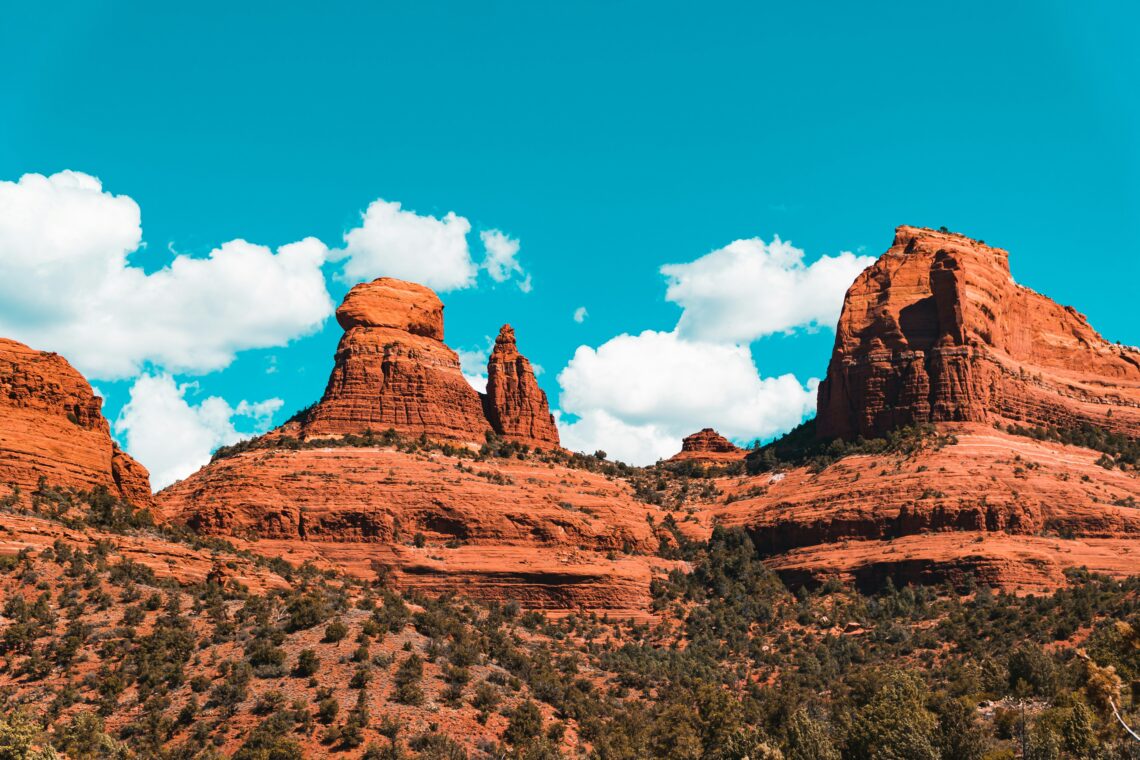
Sedona, Arizona
Sedona faces a serious housing shortage that makes life hard for locals. Short-term vacation rentals flood the market and push housing costs up fast, taking homes away from people who live there year-round.
The scale is striking. According to reporting by AZFamily and Sedona Red Rock News, Sedona’s short-term rentals nearly tripled from about 400 in 2020 to over 1,200 by late 2024. They now make up roughly 16 to 20 percent of the town’s total housing stock, and two-thirds are owned by people who live outside the city.
The situation got so bad that Sedona officially declared a housing shortage in February 2025.
This creates a real problem for families and workers trying to find affordable places to live. Your booking choices affect real people’s lives here.
Sedona’s beauty comes at a cost to those who call it home.
Overcrowding during peak seasons makes Sedona uncomfortable for both travelers and locals. Vacation rental companies control many properties, which limits housing for permanent residents and raises prices across the market.
Student travel policy and international students office advisories note that popular destinations like Sedona often trade comfort and safety for profit. Check local conditions before you book.
Lake Tahoe, California
Lake Tahoe draws massive crowds during peak seasons, creating congestion that strains roads, trails, and local services. Visitors face long traffic delays, packed parking lots, and crowded attractions that make travel and safety a real challenge.
A housing crisis grips the region too. Local workers struggle to find affordable places to live, forcing many to commute long distances or leave the area entirely.
This hurts visitor services and community stability. If you want both safety and comfort during your stay, Lake Tahoe in peak season delivers neither.
Which Towns Face Serious Environmental Strain?
Jackson Hole and Cannon Beach both struggle with environmental damage caused by too many visitors on fragile land. Heavy foot traffic, habitat loss, and erosion make these spots worse choices than they appear.
Jackson Hole, Wyoming
Jackson Hole draws massive crowds each year, putting stress on the town’s fragile natural areas. Heavy foot traffic damages wildlife habitats and mountain trails, and local officials work hard to protect animals from the constant stream of visitors.
The town sits in a valley below the Teton Range, which attracts hikers, climbers, and outdoor lovers from around the world. Infrastructure struggles to keep up.
Overcrowding creates parking shortages, long restaurant waits, and packed hiking paths. Wildlife experts report that animals now avoid areas with heavy human activity.
The housing crisis here is extreme, and the numbers prove it. Per a 2025 Teton County housing study reported by the Jackson Hole News & Guide:
- Only 57 percent of the county’s workforce lives where they work
- The county estimates it needs at least 2,000 additional restricted workforce homes
- The median single-family home price hit a record $10.7 million in 2025
Why should a visitor care? When workers cannot live nearby, restaurants close early, services slow down, and emergency staffing thins out. Your experience suffers along with the community’s.
If you value peace and personal space, travel and safety resources suggest less crowded mountain destinations instead.
Cannon Beach, Oregon
Cannon Beach draws heavy crowds each year, straining this small coastal town’s resources. Transient tourists flood the area during peak seasons, creating parking shortages, traffic congestion, and crowded beaches.
Local residents struggle with the influx, and businesses cannot keep pace with demand. The town’s narrow roads and limited facilities buckle under the pressure of visitors seeking scenic views and outdoor activities.
The coastal ecosystem pays a price too. Sand erosion speeds up as foot traffic spreads across dunes and protected areas.
Local preservation efforts compete with visitor demands for beach access. The town keeps working to protect its coastline, yet tourism continues to strain natural resources and wildlife habitats.
Which Towns Have the Biggest Safety Concerns?
Anniston, San Pedro Sula, and Karachi carry the most serious safety concerns on this list, backed by crime data and official U.S. Department of State travel advisories. These are high-risk travel destinations where security verification and careful planning matter most.
Here is how the three compare at a glance:
| Destination | Main Risk | Key Data Point |
|---|---|---|
| Anniston, Alabama | Property and violent crime | Total crime rate about 1.8 times the U.S. average |
| San Pedro Sula, Honduras | Gang violence and armed robbery | Homicide rate near 89 per 100,000 in 2025; Level 3 advisory |
| Karachi, Pakistan | Carjacking, robbery, kidnapping | Level 3 “Reconsider Travel” advisory as of March 2026 |
Anniston, Alabama
Anniston faces higher crime rates than most American destinations, and travelers should know that before visiting. Property crime and violent incidents both pose risks here.
The latest numbers show a mixed picture. Per 2025 FBI-based crime data compiled by City-Data.com and CrimeGrade.org, Anniston’s violent crime fell 15.5 percent in 2025. Even so, the city still ranks around third most dangerous in Alabama, with a total crime rate about 1.8 times the U.S. average and robberies nearly doubling over the past year.
Crime is trending down, but the risk remains real. That rising robbery number should catch your attention.
Travel safety experts identify Anniston as a high-risk travel destination for those seeking comfort and security. International scholars and MIT international safety and security guidelines recommend avoiding this location, and the city’s infrastructure struggles add challenges for tourists unfamiliar with the area.
Economic hardship affects many neighborhoods, which compounds safety issues. Global support resources and emergency assistance remain sparse in this region, so travelers crossing the United States of America should pick destinations with better protection and more reliable services.
San Pedro Sula, Honduras
San Pedro Sula ranks among the highest-risk travel destinations in Central America. Gang violence, theft, and armed robbery occur regularly, and local authorities struggle to maintain order across many neighborhoods.
The U.S. State Department warns citizens about travel to this region. According to the U.S. Department of State’s Honduras travel advisory and 2025 crime data reported through OSAC and TravelSafe-Abroad, Honduras carries a Level 3 “Reconsider Travel” advisory, in effect since December 2024. San Pedro Sula’s homicide rate reached roughly 89 per 100,000 residents in 2025, among the highest of any city in the Western Hemisphere.
That figure gives you a hard benchmark. Most major U.S. cities sit far below it.
Infrastructure problems make the safety issues worse:
- Roads lack proper maintenance, and basic services fail often
- Hospitals operate with limited resources and outdated equipment
- Housing shortages force many residents into overcrowded areas
- Power outages disrupt daily life without warning
These conditions make the city a poor fit for tourists seeking reliable accommodations and stable services. Skip it if you value personal security.
Karachi, Pakistan
Karachi ranks among high-risk travel destinations due to serious safety concerns that affect visitor comfort. Crime rates remain elevated across multiple areas, and travelers face risks from theft, robbery, and violent crime in certain neighborhoods.
The official guidance is clear. Per the U.S. Department of State’s Pakistan travel advisory, updated to Level 3 “Reconsider Travel” as of March 2026, the country carries risks from armed conflict, terrorism, crime, and kidnapping. Karachi is specifically flagged for carjacking, armed robbery, and kidnapping.
Level 3 means exactly what it says: think hard before you go.
Infrastructure challenges compound the safety issues. Power outages happen often, roads go unmaintained in many districts, and healthcare facilities struggle with limited resources.
Accommodation options often fall short of international comfort standards. If you must visit, security verification comes first: research specific neighborhoods and book stays in secured compounds with private security.
Cultural awareness helps you respect local customs, but personal safety remains the top concern for anyone considering this city. Travel and safety abroad resources recommend extreme caution here.
Which Towns Struggle with Infrastructure and Housing?
Venice, Tulum, and Bali all suffer from broken infrastructure and housing shortages that make travel uncomfortable and sometimes risky. Flooded streets, failing water systems, and overbuilt coastlines are the pattern across all three.
Venice, Italy
Venice floods regularly, and the water damages buildings and streets a little more each year. Tourists pack the narrow pathways, making it hard to move around. Over 30 million visitors arrive annually, far beyond what the city can handle.
The daily math is stark. According to Euronews reporting and Venice’s municipal tourism data, the historic center houses only about 48,000 to 55,000 residents but hosts up to 110,000 tourists on peak days. The city’s day-tripper entry fee collected 5.4 million euros from over 723,000 paying visitors in 2025, and it will expand to 60 days between April and July in 2026.
When a city starts charging people just to walk in, take the hint.
The constant foot traffic damages old structures and strains local services. Residents struggle to find housing as hotels replace homes, and travel and safety experts warn that overcrowding creates unsafe conditions in narrow alleys and on packed bridges.
Analysis of pedestrian flow shows how extreme volumes turn the city into a hazard zone. Under normal conditions, density on main bridges averages 0.8 people per square meter, with emergency response times around nine minutes. During peak surges, density jumps to 3.6 people per square meter, quadrupling crowding on narrow bridges and alleys.
That density spike correlates with sewage overflow incidents rising from four to 27 annually and emergency response times stretching to 16 minutes on average, with delays past 25 minutes in the tightest alleys. An urban resilience analyst reviewing these patterns noted that narrow passages shift from manageable to hazardous when density quadruples.
Infrastructure problems run deep in Venice:
- The city has no roads for cars, so boats serve as taxis and buses
- Building repairs cost triple the mainland Italy price due to water damage and limited access
- Sewage systems overflow during high tides, creating health hazards
- Emergency services face delays reaching people in distress
Consider safer alternatives in Italy, Spain, or Portugal that offer rich history without the crowding and infrastructure collapse.
Tulum, Mexico
Tulum draws massive crowds to its beaches and ruins, creating serious problems for travelers who want peace and comfort. The town’s infrastructure cannot handle the yearly visitor load.
Roads jam with cars and foot traffic. Hotels and restaurants fill to capacity, and locals struggle to provide basic services when so many people arrive at once.
Safety concerns grow as theft and scams target distracted travelers in crowded areas. The town’s water systems strain under heavy use, causing shortages during peak seasons.
Environmental damage threatens what made Tulum appealing in the first place. Construction projects destroy natural habitats and coral reefs near the coast, pollution from hotels contaminates the groundwater locals drink, and beach erosion worsens each year from overdevelopment and poor planning.
Anyone researching travel and safety abroad should weigh these problems honestly. The mix of overcrowding, weak infrastructure, and environmental strain makes Tulum a poor pick for comfort and security.
Bali, Indonesia
Bali draws record crowds that strain the island’s resources and infrastructure. Overcrowding damages beaches, temples, and roads, while prices for hotels and food spike and traffic makes getting anywhere slow and frustrating.
The environmental toll now has hard numbers behind it. Per 2025 and 2026 tourism arrival data and BRIN research cited by the Jakarta Post and Asia Media Centre, Bali drew a record of nearly 7 million international visitors (over 16 million total arrivals) in 2025. Researchers at Indonesia’s National Research and Innovation Agency found that tourism-related activity generates three to five times more waste than local households produce.
Half of the island’s roughly 400 rivers have now dried up.
That water crisis hits visitors directly during peak seasons, when supplies run low and trash piles up faster than workers can remove it.
Infrastructure problems make daily life harder for residents and guests alike:
- Roads crack under heavy use, and power outages happen regularly
- Internet connections drop often, disrupting work and communication
- Sewage systems fail to keep pace with growth
- Medical facilities lack adequate equipment and staff
Housing shortages push locals away from their own communities, and poorly maintained buildings raise safety risks. With limited emergency services and spotty healthcare access, travel and safety abroad planning matters here more than most visitors expect.
Conclusion
You now know 12 towns that pose real risks to your travel comfort, along with the travel advisories and safety concerns behind each one.
Bar Harbor, Moab, Sedona, and Lake Tahoe suffer from crowds that make basic activities difficult. Jackson Hole, Cannon Beach, Anniston, San Pedro Sula, and Karachi face serious environmental or security problems that affect visitors directly.
Venice, Tulum, and Bali struggle with broken infrastructure and housing shortages that create poor conditions for travelers.
The fix is simple: research before you book.
Alternative destinations in Morocco, Granada, Seville, Lisbon, and New Zealand offer similar experiences without the same problems. Smart travelers choose less crowded spots and come home rested, safe, and truly satisfied with their trip.
Read more lifestyle and travel articles at ClichéMag.com
Images provided by Deposit Photos, BingAI, Adobe Stock, Unsplash, Pexels, Pixabay Freepik, & Creative Commons. Other images might be provided with permission by their respective copyright holders including AI generators.