
Safaris are exciting, but the preparing process can feel slightly daunting. Safaris are different to your usual trip or holiday – they’re outdoor-focused and immersive, you follow nature rather than strict schedules. Packing well is essential to the experience, for comfort as well as minimising distractions. The aim is to be fully prepared without falling into overpacking the unessentials.
For travellers planning kenya safaris, correctly packing is particularly important. Kenya’s climate plays a key role, days progress from cool mornings to warm afternoons, so ensuring your comfortability is a game changer.
Clothing: Keep It Simple and Functional
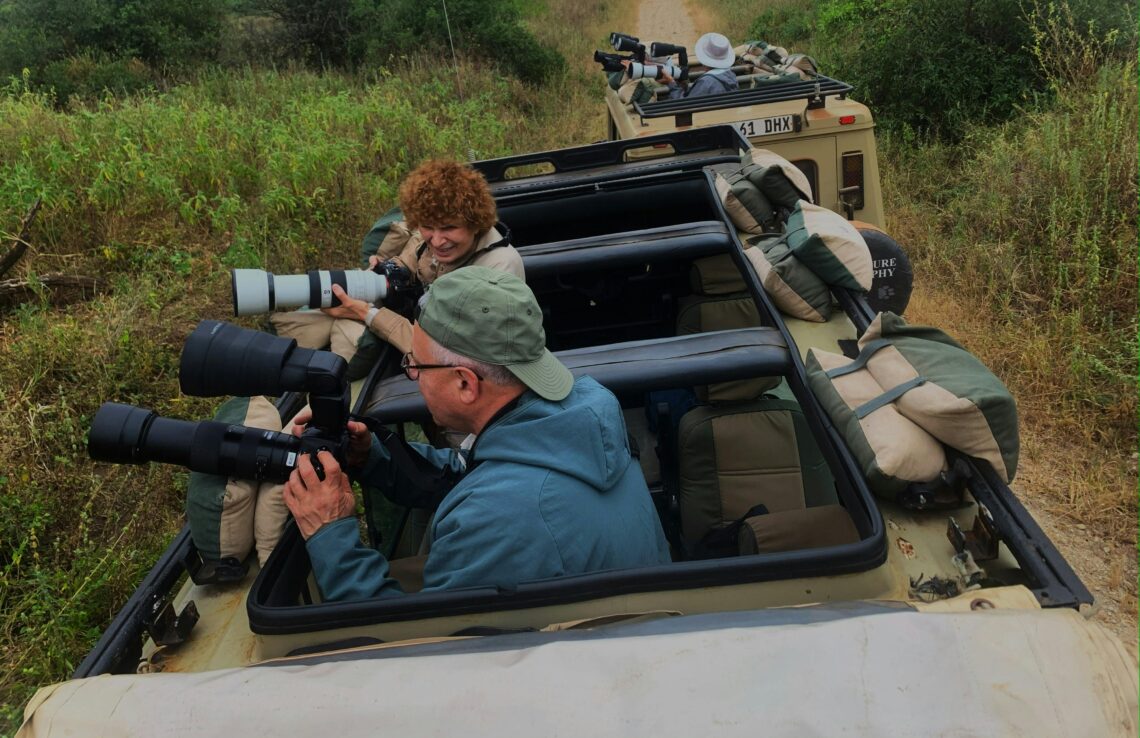
Packing clothes for a safari doesn’t need to be complicated. During activities such as gorilla trekking, neutral colours are ideal for practicality and blending in. Beige, olive, greys and khakis are the safest bet to blend into surroundings and deal with the dusty environment. Bright colours, as well as dark, can attract insects and make you stand out to the animals.
Lightweight clothing is the best bet during the day and in the evenings – long-sleeved tops and thin trousers are perfect for lighter packing, and sun protection throughout the day. Cotton blends and other breathable fabrics are preferable as they dry quickly in the sun and allow you to remain comfortable in a range of weather conditions.
Essential clothing items include:
- Two / three lightweight long-sleeved tops
- Comfortable / walking trousers
- A fleece / light jacket for early mornings
- A waterproof jacket – dependant on the season
- Suitable sleepwear – especially if nights are colder
Safari mornings can be cooler than expected, especially if travelling in open vehicles – ensuring you have the correct attire to layer will keep you comfortable.
Footwear: Comfort Over Style
Boots may be what come to mind when imagining walking boots on a safari. Most travellers in fact don’t need heavy weight footwear. Comfortable trainers and footwear are preferred for the longer periods of walking and sitting during the excursions.
A pair of well-supported walking shoes or trainers is usually sufficient, paired with breathable socks. When relaxing at camp, sandals or easy slip-on shoes are best, especially in the evenings.
All shoes you intend to bring travelling with you should be significantly worn-in before departure. A small inconvenience – like blisters – can make or break your trip.
Accessories That Make a Difference
Accessories are more important than one might expect. Wildlife viewing often involves needing to look far in the distance to spot different animals, having the right tools ensures you are getting the most out of your experience, whilst also not disturbing the wildlife.
Useful accessories include:
- A pair of binoculars
- Sunglasses
- A hat / cap
- A lightweight scarf / buff for dust
- A compact day bag / backpack
Bringing a water bottle is the most important item to bring as you need to ensure you stay hydrated while on long days out in the sun.
Technology and Travel Essentials
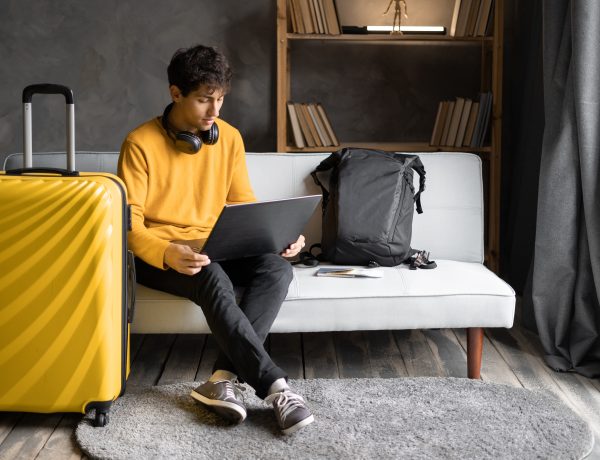
Tech items are worth bringing to a safari, but not an excessive amount. Safaris offer a break from constant connectivity and the internet. Cameras and smartphones are both useful and popular for capturing the moment, bringing a power bank or batteries as opportunities to charge electronics may be limited.
Other useful items include:
- A travel adapter
- Headphones for flights / downtime
- A small torch for evenings
- Printed copies of travel documents
It is best to plan ahead map, playlist and reading-wise as internet access and connection isn’t guaranteed.
Health, Toiletries and Personal Care
Safety and being prepared from a health perspective is very important when travelling to unknown remote areas. Safaris camps are typically well equipped, but having personal essentials is a sensible choice.
Packing the must-haves in a small toiletry bag is smart. Sunscreen lotion and insect repellent, along with lip balm are essential to bring on a safari trip.
A basic medical kit can be very helpful and should include:
- Any personal medication – including copies of prescriptions
- Pain relief and anti-inflammatory tablets
- Plasters and antiseptic wipes
- Motion sickness tablets
Wet wipes and hand sanitiser are also useful for days spent outdoors.
What to Leave Behind
Knowing what not to pack is just as important. When travelling on a safari, soft-sided bags are both easier and preferred as light-aircraft transfers usually have strict luggage limits.
Items best left at home include:
- Excessive jewellery / valuables
- Expensive perfumes / scented body products
- Multiple outfit changes for each day
Safari life doesn’t tend to include overly dressy clothing, so bringing relaxed and informal items will work better.
Adjusting to Safari Life
Packing is only part of preparing for a safari. Mentally adjusting to a slower pace and a nature-led schedule can make the experience far more rewarding. Wildlife is most active in the early mornings, so these tend to be common on a safari.
Sightings of wildlife can be unpredictable, some of the best moments come from observing the environment rather than following a strict schedule. Flexibility is key. Spending time thoughtfully packing allows you to focus on being in the moment, rather than worrying about discomfort.
Safaris are an experience built around connection to nature and awareness of the natural world. Packing correctly helps you stay present and comfortable whilst also being prepared for what each day will bring. Practical clothing and well chosen accessories allow you to have a smooth and memorable experience.
Read more lifestyle and travel articles at ClichéMag.com
Images provided by Deposit Photos, BingAI, Adobe Stock, Unsplash, Pexels, Pixabay Freepik, & Creative Commons. Other images might be provided with permission by their respective copyright holders.