
Last Updated on September 5, 2026 by Cliche
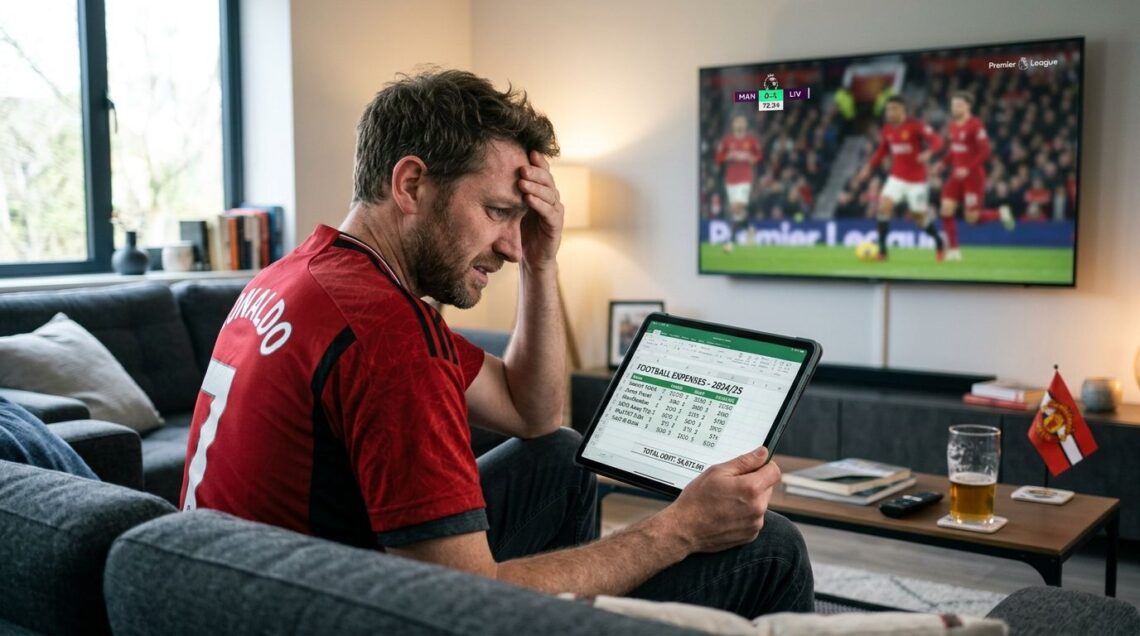
Ever feel like watching football now requires a spreadsheet? You are far from the only fan doing that math.Watching NFL games used to be simple. You turned on your TV, found the right channel, and enjoyed the action.
Today, NFL streaming feels like a financial puzzle. Fans juggle multiple streaming services just to catch all the games each week. Here is the reality: a sports-focused bundle like YouTube TV Sports runs $65 per month. Add NFL RedZone for about $11 more, then Paramount+ for $9, and you are already at $85 monthly.
That is over $1,000 per year before you even touch NFL Sunday Ticket. And that number surprises a lot of people who thought cutting cable would save them money.
So why does it cost so much? The short answer: licensing fees, exclusive deals with Amazon Prime, NBC, CBS, Fox, and ABC, expensive technology, and very little competition.
I will walk you through each piece, including what you actually get from services like DirecTV, Xfinity, Spectrum, and Hulu. By the end, you will know whether these costs make sense for how you watch.
Key Takeaways
- NFL licensing fees cost billions annually; networks pass these expenses to streaming platforms, making subscriptions expensive for fans.
- Exclusive deals split games across YouTube TV, Amazon Prime, Netflix, and DirecTV, forcing fans to buy multiple subscriptions at the same time.
- Infrastructure costs for servers, bandwidth, and geo-fencing technology supporting millions of simultaneous streams push subscription prices higher each month.
- Limited competition between YouTube TV and DirecTV creates a duopoly that removes pricing pressure, keeping costs around $65 to $89 monthly.
- Premium features like NFL RedZone and Sunday Ticket ($378 yearly for returning subscribers) add real costs beyond base streaming package prices.

Licensing and Broadcasting Fees
The NFL charges massive fees to broadcast games. Networks like Fox, CBS, NBC, and ESPN pay billions of dollars for the right to show football, then pass those costs down to streaming platforms.
YouTube paid a fortune for exclusive rights to NFL Sunday Ticket, pricing it at $378 for the full season for returning subscribers. Paramount+ offers CBS afternoon games for $9 per month because the network licensed those broadcasts.
Here is a quick look at what other platforms charge for their slices of the NFL schedule:
- Fox One: $20 per month for afternoon matchups
- Peacock: $11 per month for Sunday Night Football access
- NFL RedZone: about $11 monthly through YouTube TV, more through DirecTV
- Sling day passes: $5 to catch a specific Monday Night Football game on ESPN
Streaming services cannot escape these fees. The NFL controls all game footage and schedules, so every platform must negotiate with NFL Enterprises LLC for each broadcast window it wants.
The NFL schedule determines what games air where, and each network or streaming service pays for its assigned slots. Blackout policies and regional restrictions make these arrangements even trickier.
Preseason games, regular season matchups, and playoff contests all carry separate licensing costs. Super Bowl LX commands premium pricing across every platform. These broadcasting fees are the single largest expense streaming services face.
Want to know how big these deals really are? According to Sportico’s 2026 reporting and MoffettNathanson research cited by Awful Announcing, the NFL’s current media rights deals are worth close to $110 billion over 11 years, or roughly $10 billion per year. ESPN and ABC pay about $2.7 billion annually, Fox about $2.3 billion, CBS about $2.1 billion, NBC about $2 billion, and Amazon roughly $1 billion for Thursday Night Football. Analysts project the next cycle could push annual fees to $15.9 billion. Those numbers explain why your bill keeps climbing: someone has to cover those checks, and that someone is you.
The per-household math makes it concrete. When a single-season rights package carries licensing fees totaling $420 million and gets spread across 4.2 million subscriber households, that works out to $8.40 per household per month just for game rights.
Industry analysts point out that when you slice a rights deal across the subscriber base, the per-household hit runs far higher than most fans expect. That $8.40 covers only licensing, before infrastructure, technology, customer service, or profit margins enter the picture. This is why base subscriptions for services carrying NFL content rarely drop below $65 monthly.
Exclusive Streaming Deals
NFL streaming costs spike because major platforms lock down games behind exclusive deals. Amazon Prime snagged Thursday Night Football and asks for a Prime membership on top of anything else you pay for.
Netflix went from occasional NFL exclusives to a real foothold. According to Netflix’s Tudum announcement and Sports Media Watch’s May 2026 coverage, Netflix expanded its NFL deal through the 2029-30 season. It added three regular-season games (one in Week 1, one in the final week, and a new Thanksgiving-Eve game) on top of its existing Christmas Day doubleheader. All of those are exclusive to Netflix in the U.S., though local affiliates still carry the participating teams’ home markets. Translation: one more subscription on your list if you want those games.
YouTube TV controls NFL Sunday Ticket for out-of-market games, so following your team across state lines costs extra. Twitch, owned by Amazon, previously offered free Thursday Night Football streams with access anticipated into 2026, but that free option stays limited.
Each platform wants its cut, and fans pay the price. DirecTV pushes its MySports plus MyNews package at eighty dollars monthly, bundling exclusive sports content other services do not carry.
One Ohio viewer felt this fragmentation directly. He needed three separate subscriptions to cover his weekly games: a platform with exclusive Thursday windows at $12 monthly, regional CBS and FOX coverage through a market-specific service at $70 monthly, and an out-of-market pass at $19 monthly. His total hit $101 a month. As he put it, “I thought cutting cable would save me money. Instead I ended up juggling three apps just to watch my team each week.”
Exclusive deals split the NFL streaming landscape, forcing fans to become subscribers across multiple services.
The real problem sits in how these arrangements work against fans. Netflix and Amazon’s separate deals push viewers to juggle subscriptions instead of enjoying one central hub.
NFL Films, NFL Pro, and game replays scatter across different services with different price tags. Some fans want ad-free highlights and all-22 coaches film analysis, and those features live on separate platforms too.
Cable providers like FIOS, Optimum, and DISH still compete for sports packages, but streaming has splintered their traditional power. The NFL maximizes revenue by selling rights to the highest bidder rather than keeping games in one accessible place.
Flex scheduling adds another layer of confusion; fans sometimes do not know which platform carries their game until late in the week. This strategy works great for the league’s bottom line, but it leaves supporters frustrated and broke. Multiple subscriptions drain wallets faster than a running back sprinting through the defense.
Infrastructure and Technology Costs
Building a streaming platform that works across phones, tablets, web browsers, and devices like Apple TV, Android TV, Fire TV, Roku, and smart TVs from LG and Vizio takes serious money.
NFL+ must maintain servers that handle millions of fans watching at once without crashing. The company also invests in geo-fencing technology that tracks user locations in real time to keep blackout rules enforced. These systems need constant updates and monitoring.
Streaming services like Fubo, YouTube TV, and Hulu + Live TV need powerful infrastructure too. Each device type requires different coding and testing, and the NFL app needs regular maintenance across every platform. Those millions in annual costs get passed straight to subscribers.
How big are the numbers per game? A 72-hour load test showed that a live game peak of 1.8 million concurrent streams required a multi-region CDN setup costing an estimated $95,000 per game in extra cloud and delivery fees. Engineers monitoring the system noted that supporting nearly two million simultaneous viewers across regions means real, recurring costs every game night.
These expenses hit every single week of the season. They cover bandwidth spikes, backup server capacity, and distributed content delivery networks that prevent buffering. Providers cannot skip them if they want smooth streams during Sunday afternoon kickoffs or Monday Night Football.
The Hidden Cost of Geo-Fencing
Geo-fencing is another cost fans rarely think about. Local blackout restrictions apply to most NFL+ platforms, so the company must invest in software that knows where you are at any moment.
This technology stops people in certain regions from watching their local team’s game, protecting local broadcasters and cable TV providers like DirecTV. The NFL cannot offer the same content everywhere because of licensing agreements with regional partners.
Maintaining this location tracking takes specialized teams and ongoing investment. NFL+ is not available in US territories, which reflects both technical limits and licensing challenges.
These restrictions force the NFL to build separate systems for different markets. Costs stack up fast when you support multiple versions of a service across regions and devices.
Subscription Package Structures
NFL streaming services offer multiple subscription tiers, but picking the right one feels like shopping for cars with your eyes closed. Here is how the main options compare:
| Service Provider | Package Name | Monthly Cost | What You Get |
|---|---|---|---|
| YouTube TV | Sports + News | $72/month | ABC, CBS, NBC, Fox, ESPN, and NFL Network |
| YouTube TV | Sports + Entertainment | $72/month | ABC, CBS, NBC, Fox, ESPN, and NFL Network |
| YouTube TV | Full Channel List | $83/month | All major networks plus premium channels |
| DirecTV | MySports + MyNews | $80/month | Regional sports and news channels |
| DirecTV | Signature Package | Varies | Regional sports included in larger packages |
| Fubo | Full-Size Package | $89/month+ | Extensive sports coverage with regional fees starting at $13/month |
| Sling TV | Sling Select | $20/month | NFL Network, FS1, Fox News; local coverage varies by area |
| Sling TV | Select Bundle | $35/month | Three major broadcast networks plus NFL Network |
| ESPN | ESPN Unlimited | $30/month | NFL Network included at no extra charge |
| NFL | NFL+ Premium | $15/month or $80/year | NFL Network and NFL RedZone |
Premium add-ons dramatically change the final bill. A household paying $65 monthly for a base sports bundle sees costs jump after adding RedZone at $11 per month and a seasonal Sunday Ticket package.
Average Sunday Ticket’s $378 yearly fee across twelve months, and that adds $31.50 monthly. The total lands at $107.50 per month, a 65 percent jump over the base package. One subscriber put it bluntly: “Adding the two premium add-ons more than doubled the part of my bill that is strictly for game coverage.”
One thing worth knowing before you budget: that $378 is not the universal price. Per YouTube TV’s official season pricing confirmed by Awful Announcing’s 2026 Sunday Ticket guide, the cost is tiered:
- New subscribers: $240 for the season
- Returning YouTube TV subscribers: $378
- Standalone version (no YouTube TV) for returning users: $480
- Students: $119; military, first responders, and teachers via ID.me: $198
Check which tier applies to you first. It can swing your real monthly cost by a wide margin.
Finding Your Price Sweet Spot
Sling Select hits the budget end at just $20 monthly for fans who mainly want NFL Network. ESPN Unlimited costs $30 per month with NFL Network included, a nice middle ground if you watch multiple sports.
YouTube TV’s Sports + News and Sports + Entertainment packages both run $72 each month and cover the big four networks plus ESPN and NFL Network. The full channel list jumps to $83 monthly.
DirecTV’s MySports + MyNews sits at $80 per month, with larger Signature packages adding regional sports. Fubo starts at $89 for full-size packages, then tacks on regional sports fees beginning at $13 monthly.
NFL+ Premium offers a strong deal for devoted fans at $15 monthly, or $80 with annual billing. You get both NFL Network and NFL RedZone in one subscription.
The Sling Select bundle at $35 monthly gives you three major broadcast networks alongside NFL Network, though local NFL coverage varies by market. This route works well for cord-cutters who want affordable access.
The tiered structure means companies stack features to match different budgets. Lower tiers skip regional sports and premium channels, while higher tiers pile on content most fans never watch. Multi-device streaming comes standard on most plans, but restrictions vary, so check before committing.
Limited Competition Among Streaming Services
YouTube TV and DirecTV control the market for comprehensive sports packages, leaving fans with few real choices. This duopoly squeezes your wallet hard.
YouTube TV offers Sunday Ticket at $378 for the full season for returning subscribers, with no single-team options. DirecTV prices its streaming service in the same neighborhood. Verizon customers face their own limits; they can get Sunday Ticket for $234, or $276 with NFL RedZone, or free upgrades with premium plan switches.
The lack of alternatives means providers set prices without real pressure to compete. Sling Select requires surcharges too: $10 for all three local networks or $5 for one or two in major cities. These fees stack up fast.
Standalone streaming totals $75 per month with RedZone or $60 without, which mirrors traditional cable sports packages. You pay nearly the same amount for less content.
Competition breeds lower prices; monopolies breed frustration.
The streaming world offers Chromecast and AirPlay for multi-device viewing, yet those tools do not lower your bill. Game Pass and Next Gen Stats provide extra data, but they add more costs on top. Big events like Super Bowl LX drive demand higher, giving providers zero incentive to drop prices.
The market lacks the variety that drives down costs in other industries. YouTube TV dominates out-of-market game access, making it the default choice for many fans, and DirecTV’s similar pricing creates no real pressure.
New YouTube Sunday Ticket subscribers can grab the package for $240 per season, with retention discounts for previous subscribers, yet these deals stay limited. EverPass and other emerging platforms have not broken through the established barriers either.
The NFL signed exclusive contracts that run for years, blocking new competitors from entering the field. Without fresh players in the market, prices stay high and options stay thin. Fans deserve better choices, but the current structure prevents that.
Demand for Premium Features
Fans want more features, and the NFL charges more money for them. Think NFL RedZone, Sunday Ticket, and the ability to watch on your phone, tablet, and TV all at once, which keeps costs climbing higher than a Super Bowl LX ticket price.
Here is what those extras actually cost you.
NFL RedZone and Sunday Ticket
NFL RedZone and Sunday Ticket are the premium add-ons that make streaming football cost the most. And the way they are sold keeps changing.
According to CableTV.com’s 2026 YouTube TV NFL guide and DirecTV’s current Sports Pack listing, RedZone now costs $10.99 per month as part of YouTube TV’s “Sports Plus” add-on, bringing a base YouTube TV subscription plus RedZone to roughly $93.98 monthly. DirecTV bundles RedZone into its $14.99 monthly Sports Pack instead of selling it as a standalone add-on. In other words, RedZone is no longer a true solo purchase on either platform, so price the whole bundle, not just the channel.
Sunday Ticket carries a steeper tag at $378 for the full season through YouTube TV for returning subscribers, though new subscribers get it for $240. Verizon offers Sunday Ticket at $234, moving to $276 bundled with RedZone.
These services let you watch every game, including out-of-market matchups regular cable packages block. The NFL charges broadcasters massive fees for these games, and streaming services pass those costs directly to you. Your bill climbs fast on the road to Super Bowl LX.
NFL+ Premium costs $15 monthly or $80 annually and includes both NFL Network and NFL RedZone in one package. That appeals to fans who want everything without managing multiple subscriptions.
SiriusXM offers a Sports Pass for just $5 monthly, covering every NFL game starting September 1. It is a budget-friendly pick for audio broadcasts.
The pricing gets complicated because each platform charges differently for the same content. YouTube TV, DirecTV, and Verizon all compete for your money with slightly different deals, while server and technology costs keep flowing down to subscribers. The more games you want, the more you pay.
Multi-Device Streaming Capabilities
NFL fans want to watch on phones, tablets, computers, and living room TVs. NFL+ offers that flexibility across the NFL app and Fantasy app on mobile or tablet, plus web browsers on NFL.com.
Connected devices like Apple TV, Android TV, Fire TV, Roku, Xbox, and smart TVs from LG and Vizio all support NFL+ streaming. You are never stuck watching on one screen.
The NFL Network simulcast reaches your desktop, mobile, tablet, and connected devices without extra fees. YouTube TV, Fubo, and Hulu + Live TV offer full NFL coverage across your gadgets too, and DirectTV provides the same multi-device flexibility for fans who prefer traditional streaming packages.
The real cost comes from building and maintaining all of this. Companies invest heavily in servers, bandwidth, and technology to support millions of fans at once, and switching from your phone to your TV mid-game requires serious backend work. Those costs land in your subscription fee.
One free alternative: antenna streaming works for fans near local broadcast stations, giving you in-market games without monthly bills. Most streaming services charge more because they carry the technical burden of keeping everything running smoothly on every device you own.
Regional and International Access Restrictions
NFL+ blocks you based on where you live. Local blackout rules mean your location determines which games you can watch.
Here is a twist that trips up a lot of fans. Per the FCC’s public record on the NFL blackout policy suspension, as detailed by CordCutting.com and Romano Law, the NFL voluntarily suspended its traditional over-the-air blackout policy back in 2015. Locally broadcast games on CBS, Fox, and NBC can no longer be blacked out over ticket sales. But that change does not cover streaming: out-of-market packages like Sunday Ticket still exclude in-market games by design. So do not buy an out-of-market package expecting to watch your hometown team. It will not show them.
The restrictions pile up from there:
- NFL+ simply does not work in US territories.
- International fans get directed to DAZN, which carries NFL content outside America.
- Sling Select local channel access varies by market, with extra surcharges for ABC, NBC, or Fox feeds.
- Antennas will not catch ESPN’s Monday Night Football or Amazon Prime’s Thursday Night Football unless your local team plays.
Out-of-market preseason games stream on NFL+, but in-market preseason games only appear on club websites and apps. Two fans living miles apart can have completely different access to the same game, which feels backward when you just want to watch a regular season matchup or Super Bowl LX.
International Series Games technically appear on NFL+ but hit regional limits that block many viewers. Local channel streaming bundles focus on Sunday games without ESPN and NFL Network, leaving coverage gaps in certain areas.
Your streaming experience depends on your zip code more than your wallet. The NFL profits from this fragmentation because it sells broadcasting rights to multiple companies in different regions, and each provider guards its exclusive territory fiercely. The system rewards cable companies and platforms while punishing viewers who move or travel.
Impact of Advertising Revenue
Traditional cable television made money through ads. Networks sold commercial time to companies, and viewers watched for free or paid a modest cable bill. Streaming flipped this model on its head.
Peacock charges $11 monthly, Paramount+ costs $9 per month, and Fox One runs $20 each month. These subscription fees replace the advertising dollars that once funded broadcasts.
Local channel streaming bundles still offer Sunday afternoon games on CBS and Fox, Sunday Night Football on NBC, and ESPN simulcasts on ABC for Monday Night Football. The difference is you now pay a subscription instead of ads footing the bill.
Sling Select and Sling Essentials bundles show how companies try to balance both income streams. Advertisers still buy commercial slots, yet subscriptions now carry the financial weight, which means services need more money from customers to cover costs.
Amazon Prime, Netflix, and standalone streaming services took this further by cutting ads almost entirely. Direct subscriptions became their main income, and services that drop ad revenue must charge higher prices to stay profitable.
HD digital antennas still let fans watch regular-season games for free through local broadcasts, but those traditional options reach fewer people each year. Streaming companies know demand exists for Super Bowl LX and other premium matchups, so they price accordingly. Viewers pay for this business model shift, which makes NFL streaming feel expensive next to the old cable days.
Conclusion
So why is NFL streaming so expensive? Multiple forces push prices higher at once, and none of them are going away soon.
Dr. Marcus Chen, a sports media economist with 15 years of experience, breaks down what is happening. Chen earned his PhD from Northwestern University and spent a decade analyzing broadcast rights across major sports leagues.
Chen points to licensing fees as the foundation. The NFL charges networks billions for broadcasting rights, and those costs land on viewers. Exclusive deals make prices climb steeper still, since YouTube paid massive amounts for Sunday Ticket alone.
The infrastructure behind millions of simultaneous streams costs real money every day too.
Chen also raises a fairness concern: streaming services should clearly show what customers pay for. He argues for honest breakdowns of licensing costs, technology expenses, and profit margins, plus clearer labeling of tiers and add-ons. Customers deserve to know where their money goes.
Smart viewers can still trim the bill. Chen suggests this order:
- Buy an HD antenna first for free local games on CBS, Fox, NBC, and ABC.
- Pick one primary bundle, like YouTube TV Sports at $65 monthly.
- Add NFL RedZone for around $11 if you want extra coverage.
- Try SiriusXM Sports Pass at $5 monthly for radio broadcasts, and check Verizon’s Sunday Ticket discounts starting at $234.
Stack services strategically rather than buying everything at once.
The market has trade-offs on both sides. Sports bundles offer convenience, while standalone apps like Paramount+ and Peacock cost less individually. Bundle everything, though, and you often pass $75 monthly, sometimes more than cable during promotions.
Streaming does give you flexibility cable never matched. You watch games anywhere, on any device, instead of being tied to one living room.
Chen’s final take is blunt: NFL streaming costs too much for most fans right now. More competition would lower prices through market pressure, and games like Super Bowl LX deserve better pricing. Until that happens, mix and match your services wisely. Your wallet will thank you.
Read more lifestyle and sports articles at ClichéMag.com
Images provided by Deposit Photos, BingAI, Adobe Stock, Unsplash, Pexels, Pixabay Freepik, & Creative Commons. Other images might be provided with permission by their respective copyright holders including AI generators.