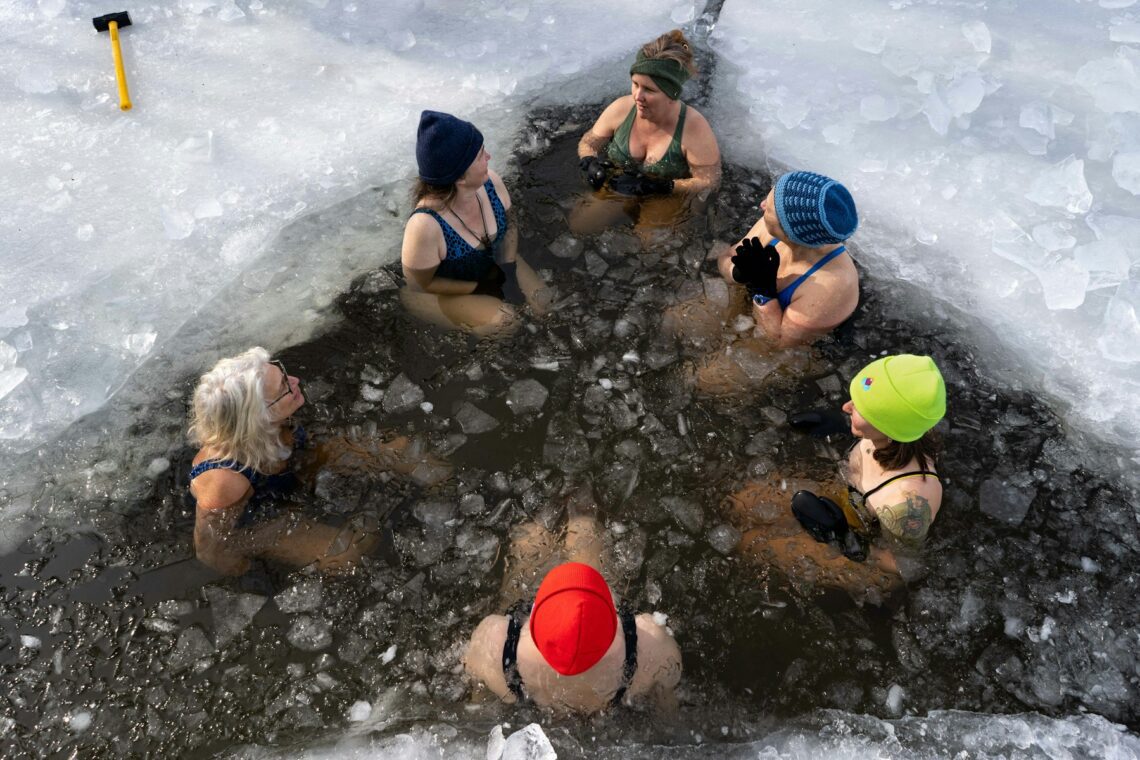

Building a recovery routine at home is no longer limited to athletes or high-end wellness spaces. More people are looking for simple, effective ways to improve how they feel on a daily basis. That is where saunas and cold plunges come in. Both offer real benefits, but choosing between them is not always straightforward.
Some people prefer heat. Others swear by cold exposure. Then there is a growing group that uses both together through contrast therapy. The right choice depends on your goals, your routine, and how you plan to use the setup in real life.
Many homeowners exploring these options often start by browsing collections from trusted retailers like Family Leisure to understand what types of systems are available and how they fit into a home environment.
Before making a decision, it helps to break down how each option works and what it actually delivers.
Understanding the Core Difference Between Sauna and Cold Plunge
At a basic level, saunas and cold plunges affect the body in opposite ways.
A sauna uses heat to raise your body temperature, encouraging sweating and relaxation. A cold plunge lowers your body temperature rapidly, triggering a response that can reduce inflammation and improve alertness.
Both approaches can be effective on their own. The key is understanding what each one does best.
Sauna vs Cold Plunge: Benefits by Goal
Choosing between a sauna and a cold plunge becomes easier when you look at your primary goal.
Muscle Recovery and Physical Performance
If your focus is recovery after workouts, both options can help, but in different ways.
A cold plunge is often associated with reducing inflammation and helping muscles recover faster after intense activity. It can be especially useful after strength training or endurance workouts.
A sauna, on the other hand, helps improve circulation and relax tight muscles. While it may not reduce inflammation as quickly as cold exposure, it supports long-term recovery and flexibility.
For those who train regularly, combining both tends to deliver the most balanced results.
Stress Relief and Mental Reset
For stress management, saunas tend to have a more calming effect. The heat helps the body relax, which can reduce tension and create a sense of mental clarity.
Cold plunges can also influence mood, but in a different way. The sudden exposure to cold can feel intense at first, yet many people report feeling more alert and refreshed afterward.
If your goal is to unwind at the end of the day, a sauna may feel more natural. If you want an energizing reset, a cold plunge may be more effective.
Sleep Quality and Relaxation
Heat exposure before bedtime can help the body transition into a more relaxed state, which may improve sleep quality. This is one reason why many people prefer using a sauna in the evening.
Cold plunges are typically better suited for earlier in the day. While they can leave you feeling refreshed, they may not always support winding down before sleep.
For sleep-focused routines, a sauna usually fits better into a nighttime schedule.
Longevity and Overall Wellness
Both saunas and cold plunges are linked to long-term wellness benefits when used consistently.
Saunas are often associated with cardiovascular support and relaxation. Cold plunges are linked to improved resilience and recovery.
Rather than choosing one over the other, many people interested in long-term health benefits lean toward using both as part of a balanced routine.
Cold Plunge or Sauna: Which Fits Your Lifestyle?
Your daily routine plays a major role in deciding what will actually work for you.
For Athletes and Active Individuals
If you train frequently, a cold plunge can help manage soreness and recovery between sessions. A sauna can complement this by improving circulation and relaxation.
Using both allows you to adjust your routine based on how your body feels on a given day.
For Busy Professionals and Parents
Time is often limited, so simplicity matters. A sauna may be easier to integrate into a daily routine because it requires less mental preparation.
Cold plunges can still be effective, but they require a level of commitment that not everyone wants to maintain every day.
For Older Adults and Low-Impact Wellness
For those focused on gentle recovery and relaxation, saunas often feel more approachable. The gradual heat is easier to tolerate and can support comfort without intensity.
Cold plunges may still be used, but often in shorter durations and at milder temperatures.
Budget and Space Considerations
Practical factors like cost and available space also influence the decision.
Saunas vary widely in size and price, from compact indoor units to larger outdoor installations. Cold plunges also range from simple tubs to advanced systems with built-in temperature control.
If space is limited, choosing one option may be more realistic. If you have room for both, the combination creates a more complete setup.
Contrast Therapy vs Single Therapy
This is where the conversation shifts from choosing one option to considering both.
Contrast therapy involves alternating between heat and cold exposure. This approach leverages how the body responds to each condition.
How contrast therapy works
Heat exposure increases circulation, while cold exposure reduces inflammation. Moving between the two creates a cycle that can enhance recovery and leave you feeling more balanced.
When is single therapy enough
If your goals are simple, such as basic relaxation or occasional recovery, using just a sauna or just a cold plunge can still provide benefits.
The key is consistency. Even a single method can be effective when used regularly.
When combining both makes sense
For those who want a more comprehensive wellness routine, combining the two offers flexibility. You can adjust your approach depending on how you feel, rather than relying on a single method.
If you are exploring this option, it helps to review different cold plunge and sauna to see how they can work together in one space.
Which Option Should You Choose?
There is no single answer that works for everyone, but the decision becomes clearer when you align it with your lifestyle.
If your priority is relaxation and stress relief, a sauna is often the better starting point. If your focus is recovery and performance, a cold plunge may be more effective.
For those who want the most complete solution, combining both provides the flexibility to support different goals over time.
Final Thoughts
Choosing between a sauna, a cold plunge, or both comes down to how you plan to use it in your daily life. The best option is not the one with the most features. It is the one that fits your routine and supports consistency.
For many homeowners, starting with one and expanding later is a practical approach. For others, building a combined setup from the beginning creates a more complete wellness experience.
Either way, the goal is the same. To create a space that helps you feel better, recover faster, and maintain a routine that lasts.
Read more lifestyle and relationships articles at ClichéMag.com
Images provided by Deposit Photos, BingAI, Adobe Stock, Unsplash, Pexels, Pixabay Freepik, & Creative Commons. Other images might be provided with permission by their respective copyright holders.