


Want to bookmark your favourite articles and stories to read or reference later? Start your Independent Membership today.
Already a member?
Log in
Cats can be masters of playing it cool but even the most independent feline has ways of showing when they feel safe and sound at home.
From snoozing on the sofa to confidently prowling room to room, your cat may be dropping some pretty big hints when things are going well.
Here are 10 ways to make your cat feel right at home and safe enough to live their best (nine) lives, according to experts.
1. Start with one room
Give your cat a quiet space to settle in before introducing them to the rest of the home. Dr. Raymond Spragley, a veterinarian, recommends starting small.

“Don’t give the cat run of the house on day one. Set up one quiet room with food, water, a litter box, a bed, and a hiding spot,” Spragley told The Independent.
“Let them settle in there for a few days. Once they’re eating, using the litter box, and coming out to greet you, open up the rest of the home gradually.”
2. Essentials over toys
Prioritize a sturdy carrier, a large litter tray, safe bowls, a scratching post and a comfortable hiding spot. Lucia Fernandes, founder and feline behavior specialist at BetterCatBehavior.com, told The Independent that these basics matter more than most pet-store extras.
“Before the toys, get the basics right: a sturdy carrier, ideally one that opens from the top, because lifting a cat out is far easier than pulling one through a door; a litter tray bigger than you think you need; stainless-steel bowls and a water fountain made of stainless steel or ceramic. Never use plastic, which scratches and harbours bacteria,” she said.
3. Food on repeat
Stick with your cat’s existing food for the first couple of weeks, and introduce any new diet gradually. Fernandes recommends asking the shelter or breeder what the cat has been eating.
“Ask the shelter or breeder exactly what the cat has been eating, and keep feeding it the same food for the first couple of weeks. Moving house is enough change. If you want to switch later, gradually mix in the new food over seven to 10 days,” Fernandes said.
4. Zen litter tray
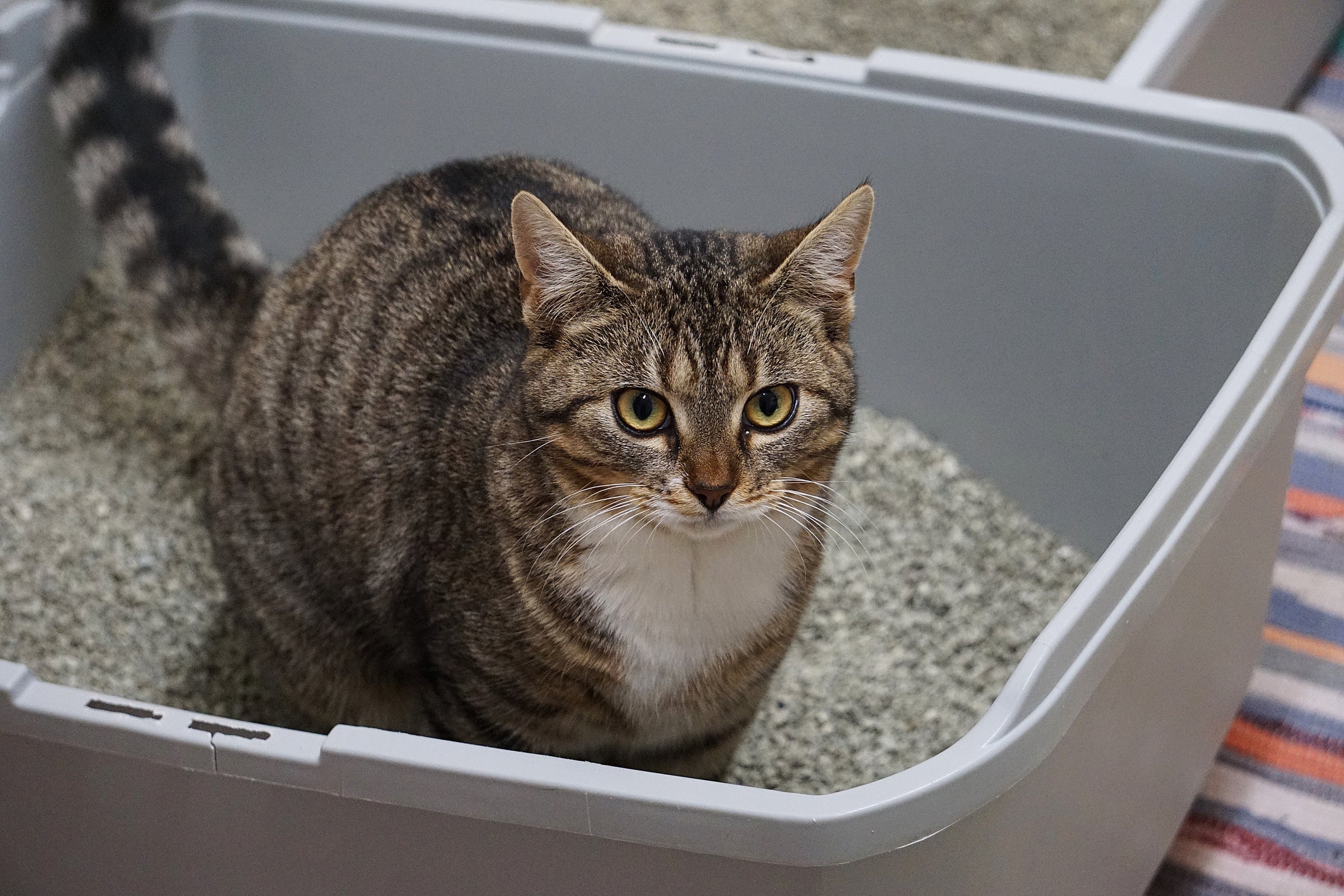
A poor location can discourage cats from using their litter box. Keep one litter box per cat, plus an extra, in quiet spots away from food, water and noisy appliances, as Dr. Hilary Jones, DVM, chief veterinary and medical officer at Weather.pet.
Scoop daily and stick with a setup your cat likes. “Cats can be finicky about their litter boxes, so it is best to stay consistent when you find what they like,” Jones told The Independent.

5. Happy hiding
A safe hiding spot can help a cat feel secure while adjusting to unfamiliar surroundings. Marissa Tribble, owner and breeder at Archangel Cat, a family-owned Russian Blue cattery in Idaho, encourages owners to let kittens retreat when overwhelmed.
“A covered cat bed, an open carrier with a soft blanket, or even a cardboard box can give a kitten somewhere to retreat when things feel overwhelming,” Tribble told The Independent.
“The important thing is making sure they’re hiding somewhere safe and accessible, rather than somewhere they could get stuck or injured. Major caveat: We do not encourage hiding for a prolonged period of time, and never under the bed, under furniture, etc., as it can cause a bad habit.”
6. Scratch off
Scratching is normal behavior, so give your cat suitable surfaces rather than trying to stop it. Jones recommends testing different scratching styles and rewarding cats for using them.
“Provide your kitten with many different kinds of scratchers. They come in all different textures and styles. They can be vertical and horizontal. You can by a variety of scratchers to determine what your cat prefers. It is best to place the scratchers near the undesirable places they are wanting to scratch,” Jones said.
“They often like to scratch and stretch after they wake up so placing one near a sleeping area is also a good idea. Reward the cats when they use the scratching post with treats. Catnip can be used to entice them to the area to scratch as well.”
7. Reliable routine
Regular mealtimes, play sessions and familiar sleeping spots can help your cat feel secure. Tribble says consistency matters more than a rigid schedule.
“Cats really do seem to appreciate predictability. Feeding around the same times each day, having regular play sessions and maintaining familiar sleeping areas can help them feel secure,” she said.
“I think people sometimes overcomplicate this. You don’t need to schedule every minute of your cat’s day. Just be consistent with the things that matter. We encourage families to make daily interaction part of their routine, even if it’s just a few short play sessions and some quiet time together.”
8. Reassuring scents
An unwashed blanket or familiar bedding can help your cat feel more comfortable in its new surroundings. Fernandes recommends bringing along items that carry the cat’s scent.
“A familiar scent is reassuring to a cat. You can also gently rub a soft cloth against its cheeks and leave it in the new room, helping the space start to smell like them. It may seem like a small thing, but it can make a real difference for an anxious cat,” she noted.
9. Hidden hazards
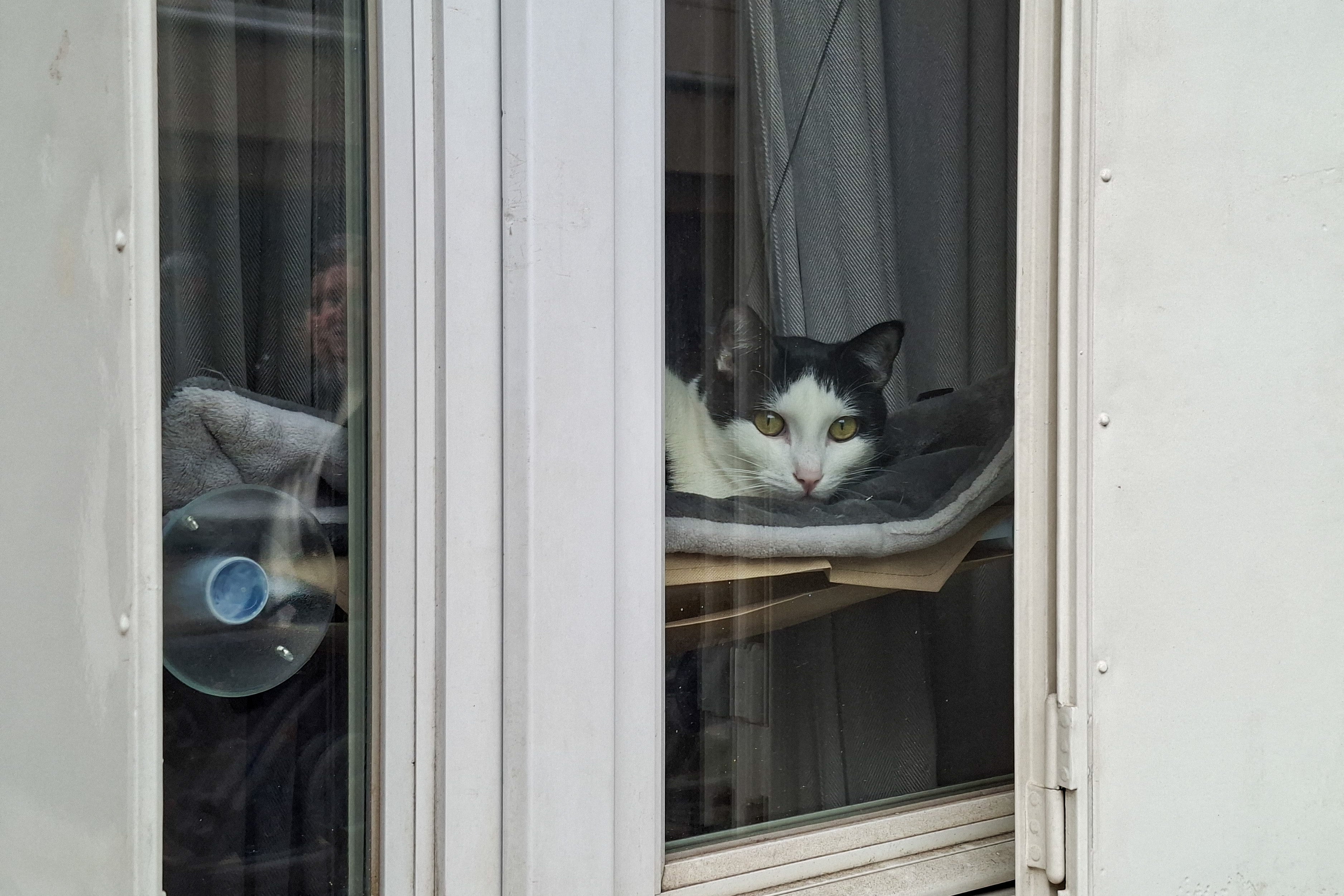
Remove toxic plants, secure windows, put away string and hair ties and check appliances before closing or starting them. Fernandes warns that common household items can pose serious risks.
“Lilies are the main concern. Every part of the plant is toxic to cats, including pollen they lick off their fur, so lilies shouldn’t be kept in the house. Hair ties and string are also risky because cats can swallow them,” she explained.
“Keep windows screened or closed, and always check inside the tumble dryer before closing the door.”
10. Keep up with care
Even if a cat looks perfectly healthy, they should see a veterinarian soon after coming home, Spragley said.
A first visit should cover:
- A full exam
- Vaccination (the core FVRCP vaccine and rabies)
- Parasite screening and prevention
- Possible microchipping
- A plan for timing of spaying or neutering.


