
Last Updated on May 25, 2026 by Cliche
When homeowners plan a renovation, most of the attention usually goes to visible upgrades: new cabinets, better flooring, modern fixtures, or a more efficient layout. Plumbing, however, is one of the areas that can have the biggest long-term impact on how easy the home is to maintain. One detail that should never be treated as an afterthought is the shut-off valve.
Shut-off valves may not be the most exciting part of a renovation, but they are one of the most practical. Whether you are remodeling a bathroom, updating a kitchen, moving a laundry area, or replacing old plumbing lines, planning the right valves in the right locations can make future repairs faster, cleaner, and less stressful.
Why Shut-Off Valves Matter During a Renovation
A shut-off valve allows water flow to be stopped at a specific fixture, appliance, or section of pipe. Without proper shut-off access, even a small repair can require shutting off water to the entire house. That can be inconvenient for families and frustrating for contractors working on a tight schedule.
During a renovation, walls, cabinets, and flooring may already be open or accessible. This makes it the ideal time to inspect existing valves, replace outdated ones, or add new shut-off points where they are needed. Waiting until after the renovation is finished can make the same work more difficult and more expensive.
For homeowners sourcing plumbing parts before a project begins, online suppliers such as PlumbingSell can be useful for comparing common valve types, connection styles, and sizes before installation starts.
Angle Stop Valves for Sinks and Toilets
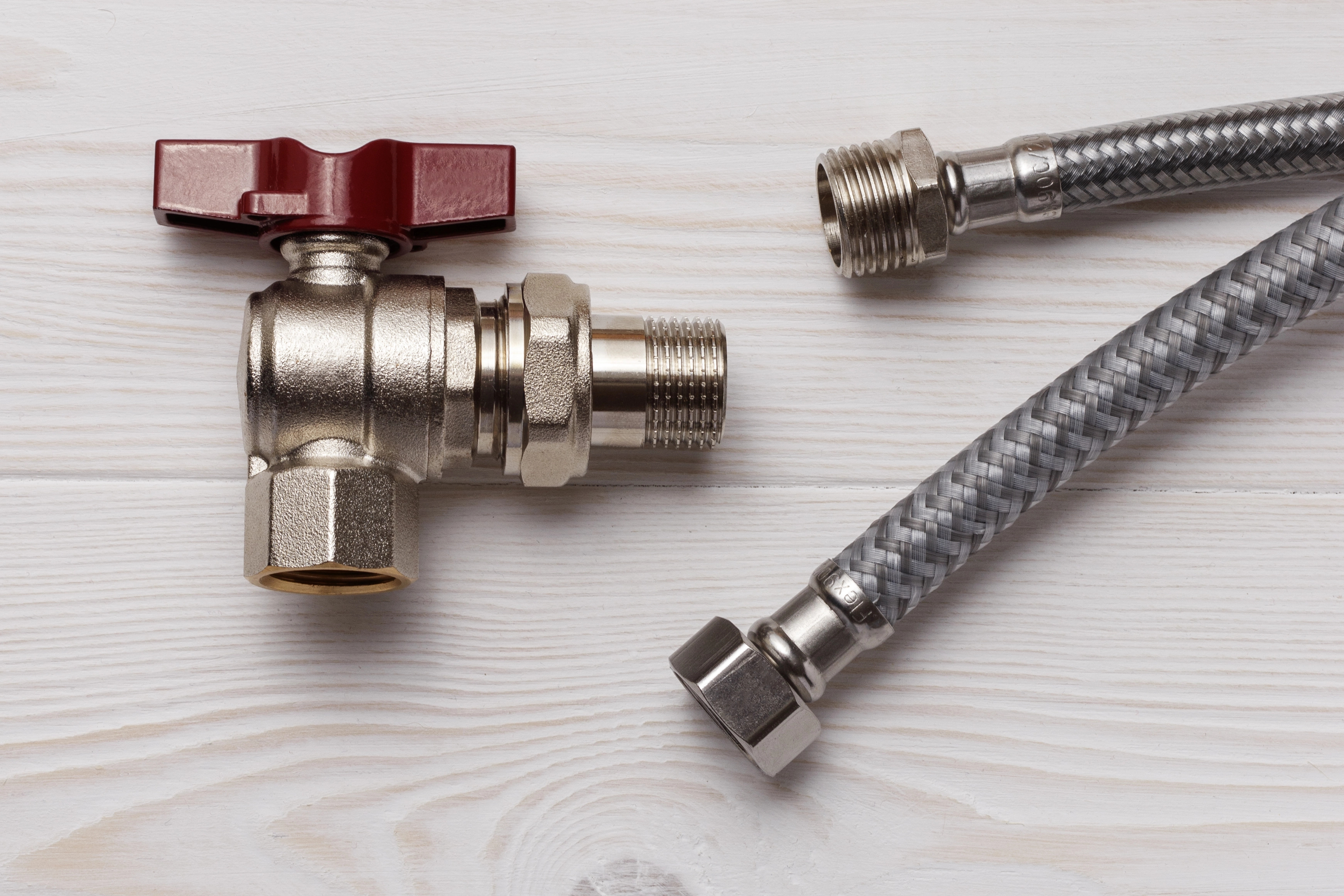
Angle stop valves are commonly used under sinks and behind toilets. They allow water to be turned off directly at the fixture without affecting the rest of the home. In bathroom and kitchen renovations, these valves should be checked carefully before new fixtures are installed.
Older angle stops may be stiff, corroded, leaking, or difficult to turn. If a vanity or toilet is being replaced, it often makes sense to replace the valve at the same time. A reliable angle stop can make future faucet repairs, toilet replacements, or supply hose changes much easier.
Homeowners should also pay attention to the connection type. Some angle stop valves use compression connections, while others may connect to PEX, copper, or threaded pipe. Choosing the wrong connection can cause delays during installation, especially if the contractor has to stop work and find a different valve.
Ball Valves for Main Lines and Branch Lines
Ball valves are commonly used for main water shut-offs, branch lines, water heaters, and other key plumbing areas. They are popular because they are simple to operate and can fully open or close water flow with a quarter turn.
In renovation planning, ball valves are especially useful when plumbing lines are being rerouted or new zones are being added. For example, if a basement bathroom, utility sink, or outdoor water line is being added, a dedicated ball valve can help isolate that area later. This means a future repair does not have to interrupt water service to the entire home.
A renovation is also a good time to check whether the existing main shut-off valve is easy to reach and clearly visible. If the valve is hidden behind storage, drywall, or cabinetry, emergency access becomes much harder.
Washer Valves for Laundry Areas
Laundry rooms are another area where valve planning matters. Washer valves control the hot and cold water supply to a washing machine. Because washing machines connect through flexible hoses, easy shut-off access is important.
If a renovation includes moving or upgrading the laundry area, washer valves should be placed where they are easy to reach, not buried behind the appliance or blocked by shelving. A well-planned laundry outlet box or washer valve setup can make hose replacement and appliance servicing much simpler.
It is also worth checking whether the hot and cold lines are clearly identified. This small detail can help prevent confusion during installation and future maintenance.
Emergency Shut-Off Access Should Be Planned Early
In an emergency, seconds matter. A leaking supply line, failed appliance hose, or damaged fixture can quickly cause water damage. Good valve planning gives homeowners more control when something goes wrong.
Before the renovation starts, homeowners should ask a few practical questions:
Where is the main water shut-off valve?
Can it be reached quickly?
Do sinks, toilets, appliances, and outdoor lines have their own shut-off valves?
Will cabinets, walls, or finished panels block access after the remodel?
Are old valves worth replacing before they fail?
These questions are simple, but they can prevent major frustration later. A beautiful renovation is less useful if important plumbing controls are hidden or difficult to operate.
Better Valve Planning Makes Future Repairs Easier
One of the biggest benefits of good shut-off valve planning is easier maintenance. Faucets, toilets, washing machines, water heaters, and outdoor hose connections all need service at some point. When each area has the right valve, repairs can usually be handled with less disruption.
For contractors, correct valve placement also improves efficiency. They can isolate the area they are working on instead of shutting down the whole system. For homeowners, this means less downtime, fewer surprises, and better long-term control over the plumbing system.
When choosing renovation plumbing supplies, it is important to match valve size, material, and connection type to the project. Browsing valve options from a dedicated plumbing supplier such as PlumbingSell can help homeowners and DIY renovators understand what parts may be needed before work begins.
Final Thoughts
Shut-off valves may be small, but they play a major role in a well-planned renovation. Angle stop valves help protect sinks and toilets, ball valves provide control over main and branch lines, and washer valves make laundry areas easier to manage. Most importantly, accessible shut-off valves can reduce stress during future repairs or emergencies.
Before closing walls, installing cabinets, or finishing a remodel, homeowners should take time to review the valve layout. A little planning now can make the home easier to maintain for years to come.
Read more home improvement articles at ClichéMag.com
Images provided by Deposit Photos, BingAI, Adobe Stock, Unsplash, Pexels, Pixabay Freepik, & Creative Commons. Other images might be provided with permission by their respective copyright holders.