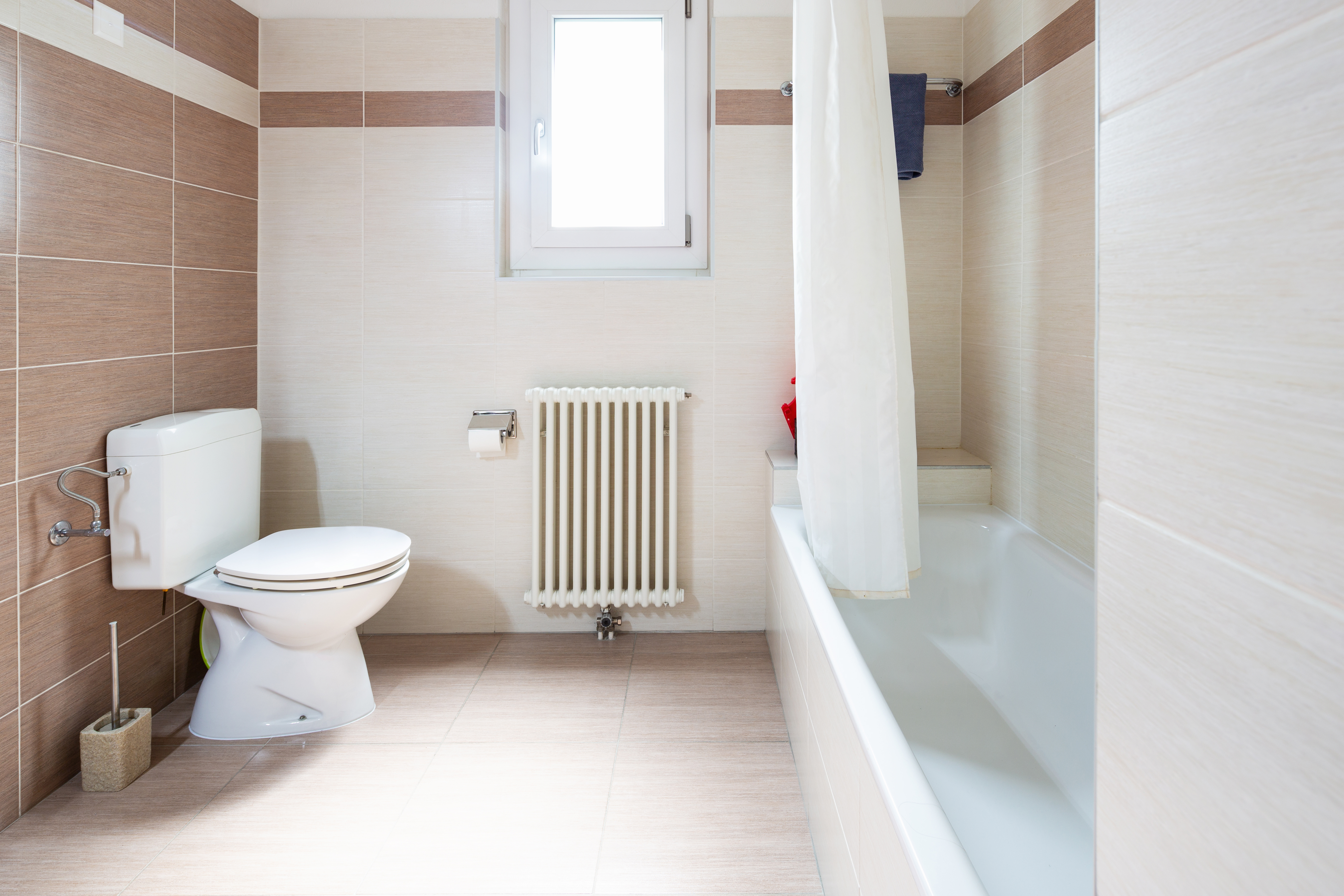

In today’s advanced era, every home understands the indispensable need for a reliable hot water system for ensuring comfort and hygiene. Nonetheless, like every other household appliance, a hot water system is not immune to wear and tear. Upgrading to a modern system transcends the luxury of merely having access to hot water; it revolves around greater efficiency, significant cost savings, and embracing technologically advanced mechanisms. This comprehensive guide is tailored to provide an in-depth perspective on what to anticipate when changing your old hot water system, literally bringing the hot topic to the forefront.
Understanding Your Current Hot Water System
Navigating through the world of hot water systems can seem like a convoluted labyrinth to the untrained eye. With a plethora of system variants such as the on-demand tankless systems, tank-based systems, and the eco-friendly solar hot water systems, the choice isn’t necessarily straightforward.
A seasoned system, given its age, is likely to perform less efficiently, and may call for frequent bouts of maintenance, both of which could be financially draining. Generally, the shelf life of a hot water system teeters between 8 to 12 years and often needs replacing thereafter. Signs that warrant a change include random fluctuations in water temperature, a spike in repair frequency, and an unwelcome surge in energy bills. Comprehensive prior assessment of the current system equips you with the knowledge of whether an upgrade is warranted, setting the stage for informed decision-making.
Benefits of Upgrading to a New Hot Water System
Choosing to upgrade to a new hot water system is akin to stepping into a shower of compelling benefits. Foremost, an advanced system bestows upon its users the luxury of superior energy efficiency, leading to substantial long-term cost savings. The upgraded system brings to the table re-engineered performance parameters and a reliable hot water supply, making inconsistent hot water a thing of the past.
Aside from personal benefits, society at large also reaps the returns of this upgrade. By opting for an environment-friendly option, users can limit their carbon emissions, contributing to a healthier planet. Futuristic systems also flaunt smart technology, propelling user convenience to a new high, placing control right at their fingertips.
Choosing the Right Hot Water System for Your Home
The task of selecting a new hot water system demands careful evaluation of several crucial factors. For instance, the size of your home, water usage patterns, and energy source preferences need careful consideration. Electric, gas, or solar systems each have unique merits and drawbacks.
It’s important not to overlook the financial component either. This encompasses not just the upfront cost of the new system but also enduring operating costs and possible economic gain from rebates or incentives. For a tailored solution that matches your household’s specific needs, professional guidance proves indispensable, turning the tide in your favour.
The Installation Process: What to Expect
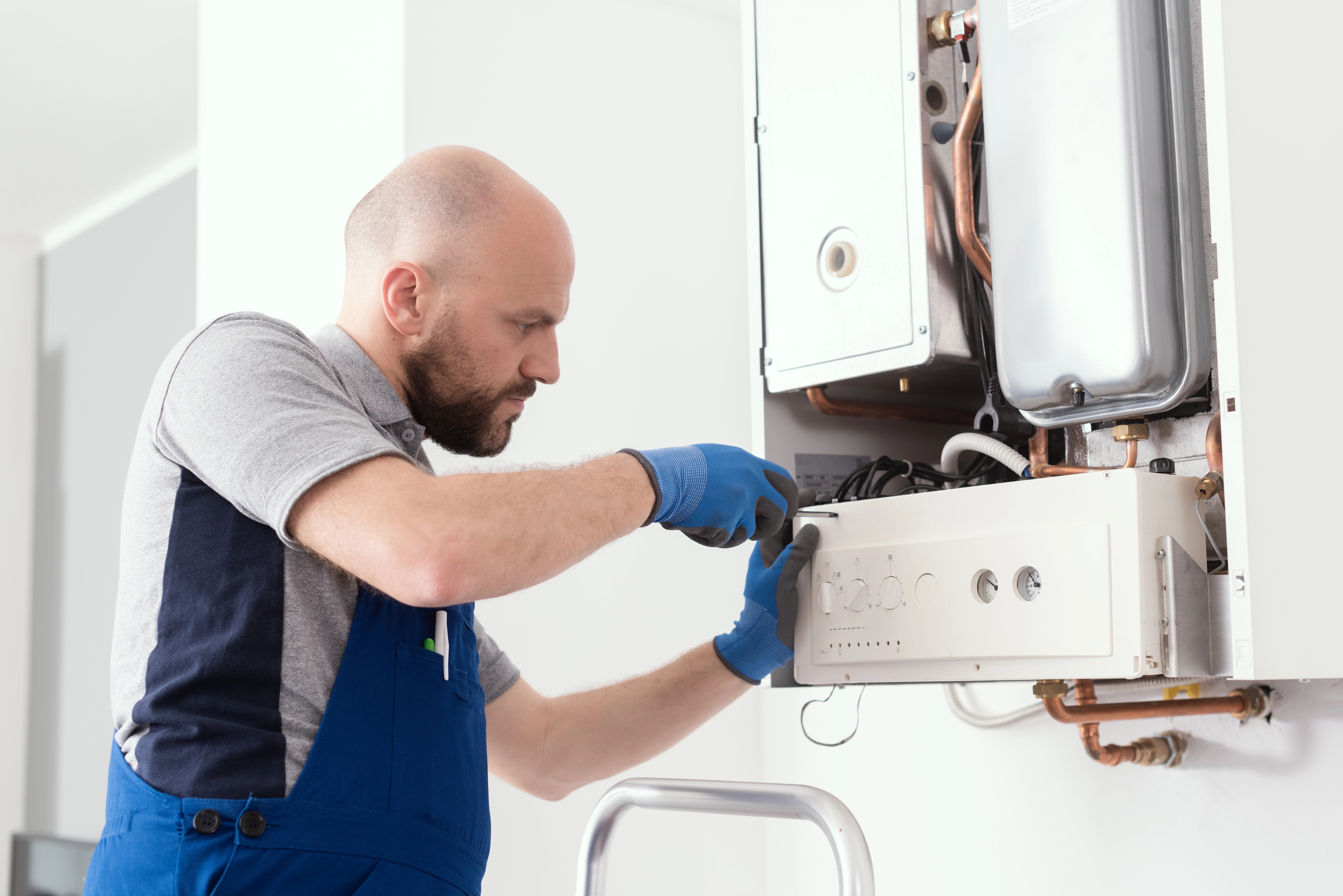
Transitioning to a new hot water system envisages a sequential process. The initial step involves the safe removal of the old system, paving the way for the new one. The installation phase includes situating the new system, establishing necessary hook-ups and conduits, and running thorough checks to ensure optimal functionality.
While it may cause initial disruptions like a temporary halt in hot water supply, consummate professionals strive to minimise and promptly address the inconveniences. Safety, the guiding mantra of the process, demands hiring licensed and experienced home improvement professionals to guarantee strict adherence to prevailing safety protocols, reducing any potential threats to significantly negligible levels.
Post-Installation Tips for Maximising Your System
Having a new hot water system isn’t the end of the journey; it marks the beginning of a significant commitment to time-to-time maintenance. This commitment ensures the longevity and sustained efficiency of the system. Regular checks to identify possible leaks and performance inconsistencies aid in prompt issue detection, mitigating any potential damage.
Understanding the nuances of your warranty coverage proves useful when professional intervention is required. Energy-saving measures, such as proper insulation of hot water pipes and switching to water-efficient fixtures, optimise the performance of your new system while driving down your energy consumption.
Conclusion
The decision to upgrade your hot water system, therefore, towers as a beacon of enhanced efficiency, financial savings, and environmental consciousness. Evaluating your tangible needs and unhindered exploration of contemporary solutions empower you to make an astute decision. In this journey, professional advice constitutes the keystone of the bridge between your current system and a rewarding new hot water system installation. Start your upgrade journey today and reap the benefits of a hot water system that stands synonymous with excellence and reliability.
Read more home improvement articles at ClichéMag.com
Images provided by Deposit Photos, BingAI, Adobe Stock, Unsplash, Pexels, Pixabay Freepik, & Creative Commons. Other images might be provided with permission by their respective copyright holders.