
Last Updated on July 1, 2026 by Cliche
Nobody really thinks about what is going on under their house. You go about your day, the floors feel normal, and the crawl space just sits there doing its thing out of sight. But here is the problem. Virginia’s humidity does not care that you are not paying attention down there. Mold gets into your house and spreads across the wood and the insulation. Before you know it the mold is affecting the air that your kids breathe every single night. A lot of people do not even think about companies that fix crawl spaces until something bad has already happened. If you find the mold early it makes a big difference. People usually start looking for crawl space companies near me when they have a problem with mold. Finding it on is very important because the mold can spread quickly across the wood and the insulation, in your crawl space.
Why Mold Loves Virginia Crawl Spaces
Think about what a crawl space actually is. Dark, tight, close to the ground, rarely visited. Now add Virginia’s humidity, coastal moisture, seasonal rain, and temperature swings to that picture. It is basically a perfect setup for mold to move in and stay.
Ground moisture keeps coming up if there’s no barrier. Rain pushes water into the house through gaps around the foundation. A slow leak, from a pipe that nobody has checked in years keeps things damp all the time. Vents that were supposed to dry things out actually pull humid outside air in and make things worse. Getting a free crawl space inspection done is often the only way homeowners find out mold is even there, because it grows in places nobody ever looks. Behind insulation, across beams, under the subfloor. By the time a smell starts drifting up into the house the problem is already bigger than most people expect.
It Does Not Stay Down There
This is the part that catches most people off guard. Mold in the crawl space is not isolated from the rest of the home. Warm air rises through the house and as it does it pulls air upward from below. Whatever is in that crawl space air comes with it. Mold spores, allergens, moisture, musty odors, all of it moves into the living areas and circulates through every room.
Your family breathes that air while they sleep, eat, and watch television. Indoor air quality drops and people start feeling it without ever connecting it back to what is happening underneath the floor.
How People Actually Feel It
The symptoms of mold in the house start to show up. Someone in the house gets a cough that just will not go away. They get a nose that feels like a cold but it lasts for a long time. Their eyes get watery and they sneeze a lot. Their skin gets irritated for no reason. They wake up feeling tired even though they got rest. At first people think it is allergies or the time of year but when they start to feel better every time they spend a day outside the house that is something to think about.
The children and older people in the house are affected more than others. This is because their bodies are either still growing or not as strong as they used to be. When they breathe in mold it can make them very sick. Lead to lung problems that keep coming back. It can also make them feel uncomfortable all the time. Nobody thinks to look in the crawl space to see if that is the problem.
What It Does to the House Itself
Mold is bad for your health. That is not all. Mold eats wood, seriously. It gets into the wood that holds up your floors like the joists and the beams and the subflooring. Over time it makes the wood weaker. This does not happen overnight, it happens over months and years.
When you notice something is wrong it is usually because you walk on a floor that feels soft or bouncy. This is not how it used to be. By the time you notice this the mold has already been eating away at the wood underneath for a time. The wood is usually more damaged than you think even if you just take a look at it. Mold does a lot of damage, to the wood to the floors. It is not easy to fix.
Sagging floors, visible rot, and expensive structural repairs are where this ends up if nothing is done about it.
Things Around the House to Watch For
- A musty smell near the floors that just will not go away
- Allergy or breathing symptoms that are noticeably worse inside than outside
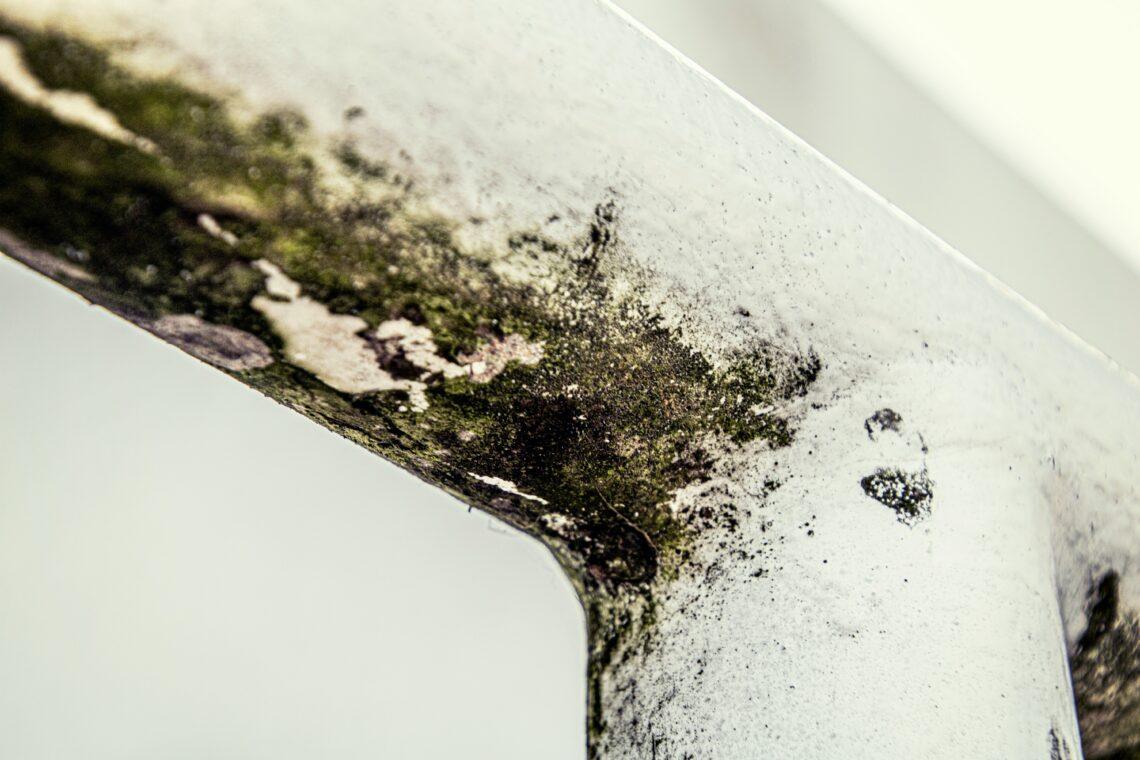
- Dark staining or visible mold on wood in the crawl space
- Insulation that looks wet, saggy, or has come loose from the subfloor
- Condensation appearing on windows or pipes for no obvious reason
- Floors that feel soft or uneven in spots they never used to
One of these is a reason to get someone in to look. Several at once and it really should not wait.
Stopping It From Coming Back
Moisture is the whole problem so that is where prevention starts. Gutters need to be clean. They need to be working properly. The ground around the house should slope away from the foundation of the house.. The drainage around the perimeter of the house needs to do its job.
- A vapor barrier is really good because it stops the moisture from the ground from rising up.
- Full encapsulation is when the crawl space is completely sealed off from the air.
- A dehumidifier that is the right size will take care of any humidity that is still there.
For homes in Virginia, the ones near the coast encapsulation is the best way to fix the problem and it will last.
You should get the space checked regularly so that small problems can be found before they become problems. Mold can look like it is not a deal on the surface but it is often much worse inside the structure of the house where you cannot see it. You need equipment to see the mold, that is, inside the house.
FAQs
- What causes mold to grow in a crawl space?
Moisture is the reason. It’s usually because of humidity, ground without a barrier, slow leaks in pipes, poor drainage and bad airflow. In Virginia we often have several of these problems at the time, which makes mold a big issue here.
- Can crawl space mold really affect air inside the house?
Yes it can. Air naturally moves up through a house. Pulls air from the crawl space with it. This means mold spores can get into every room whether you can see them or not.
- How do I know if I have mold in my crawl space?
If there’s a smell near the floor that won’t go away or problems that get worse when I’m indoors it could be mold. Look for spots, on the wood and insulation that’s wet or has fallen. The best way to be sure is to hire someone to check it out.
- Does mold hurt my home’s structure?
It does. It happens slowly so you might not notice until the floors feel uneven. Mold eats away at the wood making joists and beams weaker over time. If you leave it alone it causes rot, which makes repairs more expensive.
Read more home improvement articles at ClichéMag.com
Images provided by Deposit Photos, BingAI, Adobe Stock, Unsplash, Pexels, Pixabay Freepik, & Creative Commons. Other images might be provided with permission by their respective copyright holders.