
Last Updated on June 15, 2026 by Cliche
Hidden inside a small room we clean in each day might be the smartest spot for emergency tools. Since everyone moves through here regularly, it makes sense to tuck essentials nearby – think cuts, fevers, power going out. When things go sideways fast, knowing exactly where to reach saves seconds. Tidy rows beat messy piles every time pressure climbs. Planning ahead turns cramped corners into quiet helpers.
Evaluating Storage Conditions
Start by checking how much room there really is inside your bathroom cabinet. Think about shelf size, how deep the space goes, then figure out the total height you’ve got to work with. Stuff fits differently depending on those details, so arranging things becomes smarter when you know them. Skip this step, and stuff winds up crammed behind others where reaching it means trouble later.
Inside the cabinet, what surrounds each item matters just as much as where it sits. Humidity-sensitive things do better when tucked away – think closed boxes or higher levels. Easy access keeps daily tools handy; leave them forward and unblocked. Reaching for something shouldn’t mean shifting half the shelf.
Identifying Priority Items
When things go wrong, some gear matters more than others – spotting what counts most shapes how you stack it. Right up front goes anything that treats wounds: think clean wraps, germ-killing cloths, pills for soreness. When seconds matter, these come first; let them sit below junk and you waste time. They’re likely the very thing your hands will grab when trouble hits.
Later on, less critical things might still matter – just tuck them further back. Stuff such as spare gauze, sticky tape, or extra power cells fits better in distant spots or isolated pockets instead. That way, what matters most stays up front, never blocked by what waits behind.
Vertical Layout And Access
Up high, things fit better when you think tall instead of wide inside a bathroom cupboard. Slide one bin above another – or grab a step-style tray – so nothing hides in the back. Stuff pulled out every day? Put those front and center, right where your hands find them fast without crouching or stretching.
Up top or down low, less-used things fit neatly inside the cabinet, saving room. A condom, though tiny, stays hidden but simple to find when it’s time. With smart stacking from floor to ceiling, every inch gets used well, keeping all pieces in their place.
Grouping Medical Essentials
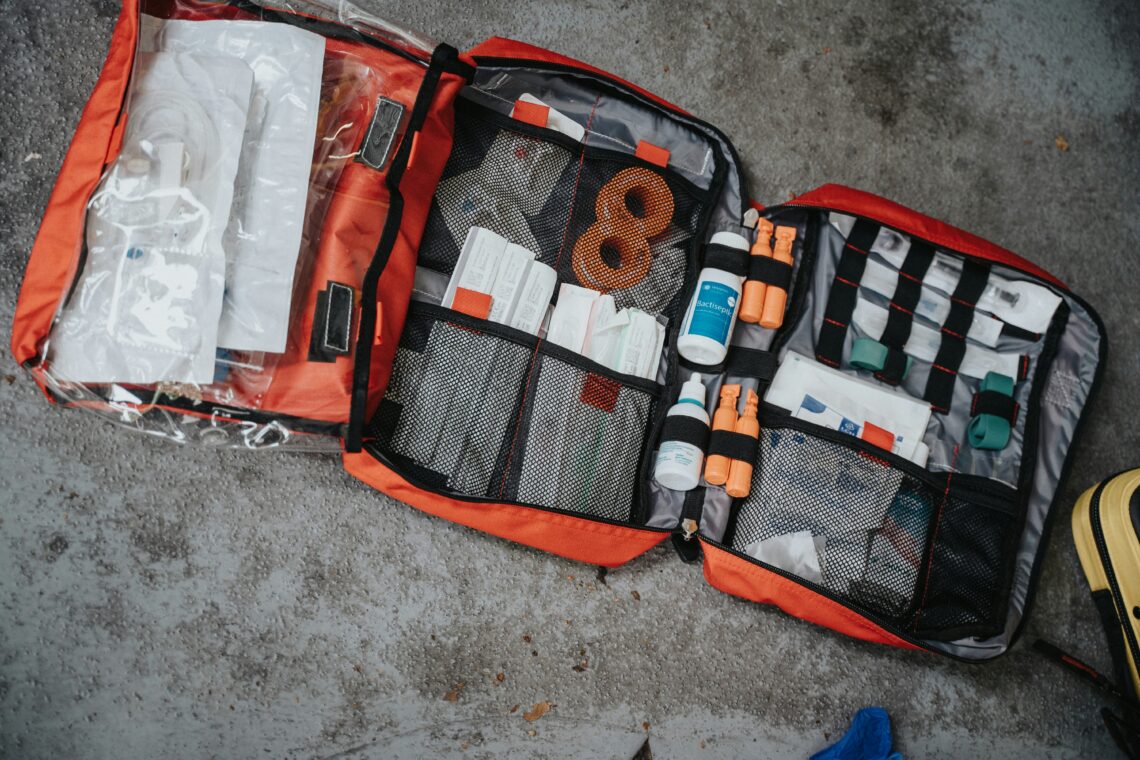
When things like bandages or pain relievers live in one spot, finding them fast becomes easier when seconds count. Stuff stays tidy because everything has its place instead of drifting apart across shelves. Disinfectants sit near fever reducers, wraps grouped close – no guessing where to look. A labeled zone makes it obvious what belongs without asking twice.
Every piece stays put, making it easier to know where things are. When everyone knows the spot for each thing, time gets saved. Stuff does not wander into wrong zones when kept apart by clear lines. Order grows naturally if similar items do not touch unrelated ones.
Containers And Labels
Inside cabinets, storage containers keep things sorted without fuss. Bins made of clear material let you peek inside, plus they block damp air. When one box holds only similar stuff, it stays useful longer. A written tag on each makes finding what you need fast – no guessing when tired or rushed.
Putting things back where they belong gets easier when everyone sees clear labels. When more than one person shares a room or cupboard, mix-ups happen less often. Stuff stays put because each item has its spot marked plainly. Rushing around looking for scissors or keys fades once habits settle in. Over weeks, little signs make big differences without anyone trying too hard.
Hygiene Versus Comfort Essentials
Inside the cabinet, keep hygiene things apart from medicine stuff – it clears space, makes finding easier. Wet wipes sit better near tissues when tucked into their own corner. Lubricant fits here too, since daily routines mix well with these helpers. Emergency gear stays ready when everyday products have their place.
Most times, things stay put when sorted by how they’re used. Because of that, noticing empty spots happens faster. Replenishing gets smoother since location matches function. Over weeks, clutter drops because each piece has its spot. Misplaced gear turns up less often without constant searching.
Check Expiry Dates And Seasonal Changes
Every now and then, take a moment to look through your emergency kit. Outdated medicines or worn-out bandages lose their strength over time. When old supplies are taken out, what’s left works when it really counts.
When seasons shift, so should what’s inside your cupboard. Because weather swings affect what you actually reach for day to day. A shelf that adapts sticks around longer in daily life. Instead of gathering dust like forgotten corners often do.
Refill When Used Be Ready For Emergencies
Once something gets used up, put a new one right back in place – staying ready matters. When shelves stay full, hiccups later on tend to fade away. A handful kept aside for frequent picks makes reloading smooth when needed.
Every now and then, take a moment to look through the whole cabinet layout. When each item sits where it should, the structure holds strong, making fast access possible when surprises hit. Over time, a cared-for storage space turns into a steady piece of home readiness.
Start fresh…a new marriage each morning knowing exactly where things live. When chaos hits, having what you need nearby matters most. Stuff stays put only if someone checks it now then. Grouping similar pieces saves seconds when time tightens. Open the door without stress because labels guide hands fast. Clean shelves mean fewer surprises later on. A place for everything shows respect for routine moments. Over time, small habits protect bigger plans.
Read more lifestyle articles at ClichéMag.com
Images provided by Deposit Photos, BingAI, Adobe Stock, Unsplash, Pexels, Pixabay Freepik, & Creative Commons. Other images might be provided with permission by their respective copyright holders.