
Last Updated on June 29, 2026 by Cliche
A home tells a story long before anyone notices its square footage or design style. The condition of the exterior, the comfort of the rooms, and the way daily routines unfold inside all reveal how well a property has been cared for. In a city like San Francisco, where historic homes often stand alongside newer construction, it is easy to see how some properties remain appealing decade after decade while others struggle to keep up with changing needs. The difference is rarely found in expensive finishes alone. It is usually found in thoughtful decisions that prioritize durability, comfort, and maintenance. Those this-will-still-make-sense-years-from-now choices often prove more valuable than temporary design trends. A home that ages gracefully is not frozen in time. It evolves carefully, adapts when necessary, and continues to support the people who live there.
Strong Foundations Make Everything Easier
Homes that stand the test of time are rarely maintained by accident. Consistent attention is often given to the systems and structures that protect the property. While dramatic renovations tend to receive the most attention, routine upkeep is usually what preserves long-term value.
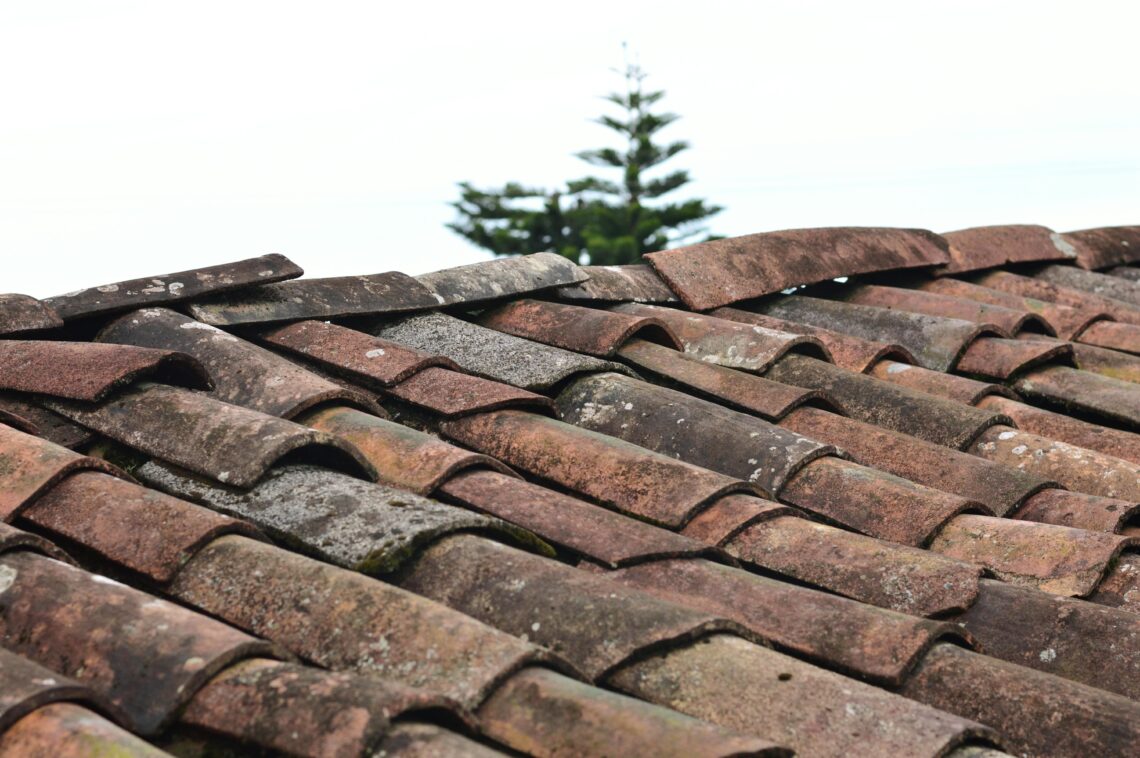
The roof is one of the most important examples. It protects nearly every component beneath it, and when problems develop, they can affect insulation, ceilings, walls, and even structural elements. Homeowners who notice signs of wear, water intrusion, or damaged materials often benefit from consulting a reliable roofer in San Francisco before small concerns become larger repairs. Preventive action can reduce uncertainty while helping preserve the home’s condition.
This principle extends beyond roofing. Exterior surfaces, windows, plumbing systems, and electrical components all require periodic attention. When maintenance is handled proactively, homeowners are often spared the disruption that comes with emergency repairs. A home ages more gracefully when care becomes a habit rather than a reaction.
Would most people prefer to address a known issue during a planned maintenance visit or face a surprise repair at the worst possible moment? The answer is rarely difficult. Planning provides options, while emergencies often remove them.
Design For Tomorrow, Not Just Today
A graceful home is one that remains useful as life changes. While it is impossible to predict every future need, thoughtful design choices can make adaptation much easier.
Many homeowners focus on how a space works right now, which is understandable. However, homes often benefit when flexibility is considered during upgrades and renovations. A room that serves one purpose today may support a completely different function later. The ability to adapt can extend the usefulness of a home significantly.
For example, a guest room may eventually become a home office or hobby space. In another example, additional storage may be incorporated during a renovation because organization tends to become more valuable as households grow and change. These improvements may not feel dramatic, but they often contribute to long-term satisfaction.
Accessibility is another important consideration. Wider pathways, easier-to-reach storage areas, and practical layouts can improve comfort for people of all ages. These choices support everyday convenience while also preparing the home for future stages of life.
Aging gracefully does not mean resisting change. It means creating a space that can welcome change without requiring constant reinvention.
The Habits That Help Homes Last
Long-lasting homes are often supported by simple, consistent habits. Maintenance does not need to be complicated to be effective. Small actions performed regularly can prevent larger issues from developing.
Some of the most valuable maintenance habits include:
- Inspecting roofs and gutters periodically
- Addressing water damage immediately
- Checking exterior surfaces for signs of wear
- Maintaining heating and cooling equipment
- Replacing worn caulking around windows and doors
- Organizing storage spaces to prevent clutter buildup
- Scheduling professional inspections when appropriate
These tasks may appear routine, but they contribute significantly to a home’s longevity. A small crack discovered during a seasonal inspection may be repaired before moisture causes damage. A clogged gutter may be cleared before it affects the foundation.
Comfort Grows From Care
The homes that age most successfully are often the ones that continue feeling comfortable. Comfort is not limited to furniture or décor. It is created through functionality, reliability, and an environment that supports daily life.
Lighting plays a role. Airflow matters. Storage contributes more than many people realize. When these elements function properly, a home feels easier to live in. Small frustrations are reduced, and routines tend to flow more smoothly.
For example, a drafty window may seem minor during one season, but repeated discomfort can become increasingly noticeable. Similarly, inadequate storage may create ongoing clutter that affects how a space feels every day. These concerns are rarely dramatic, but they influence daily experience.
This is also where the stress that comes from delaying repairs often becomes apparent. Small issues have a way of occupying mental space. A dripping faucet, a loose railing, or damaged trim can become recurring reminders that something needs attention. When repairs are completed, that background worry is often removed as well.
Comfort grows from confidence. When homeowners trust that their systems are functioning properly, they are better able to enjoy the space rather than worry about what might go wrong next.
A Home That Continues To Serve Well
Homes that age gracefully are not necessarily the newest, largest, or most expensive. They are often the homes that have been cared for thoughtfully and adapted carefully throughout the years. Their value comes from more than appearance. It comes from reliability, functionality, and the ability to continue meeting changing needs.
Maintenance plays a central role in that process. So does planning. Repairs addressed early tend to remain manageable. Improvements made with long-term use in mind often continue providing benefits for years. Together, these choices help create a home that feels stable rather than demanding.
A well-maintained property also offers something less tangible but equally valuable. It provides peace of mind. Homeowners spend less time worrying about hidden problems and more time enjoying the spaces they have created. Daily routines feel easier. Unexpected disruptions become less common.
Every home will show signs of age eventually. That is part of its character. The goal is not to prevent change altogether. The goal is to guide that change thoughtfully, allowing the property to remain comfortable, functional, and welcoming through every stage of its life. When care, planning, and attention are combined consistently, a home can continue serving its purpose beautifully for decades.
Read more home improvement articles at ClichéMag.com
Images provided by Deposit Photos, BingAI, Adobe Stock, Unsplash, Pexels, Pixabay Freepik, & Creative Commons. Other images might be provided with permission by their respective copyright holders.