
Last Updated on September 9, 2026 by Cliche
Do you ever get that nagging feeling when you pull out of the driveway? You locked the doors, sure. But is that really enough anymore? I get it. Most homeowners worry about break-ins, theft, and vandalism, and a basic deadbolt only does so much. Burglars move fast, and many know how to slip past simple locks. To feel secure, consider the Best Home Security System In 2027.
That’s where a good home security system changes everything. PCMag editors have tested home security systems for nearly two decades, checking installation, user experience, response times, and overall value. Their research points to one clear takeaway: the right system stops trouble before it starts.
Here’s a bonus most people miss. A monitored system can deter vandalism and larceny-theft, and it often earns you an insurance discount from companies like Allstate, Progressive, and State Farm.
We’ve tested the best home security systems available in 2027, including the Best Home Security System In 2027, from DIY setups to full professional monitoring services. You’ll learn about motion sensors, security cameras, smart locks, cloud storage, and which systems play nicely with Amazon Alexa and Google Assistant. We’ll also cover camera placement, contact sensors, carbon monoxide detectors, and answers to common questions about subscription costs, hacking risks, and cellular backup.
So grab a coffee, and let’s walk through it together. By the end, you’ll know exactly which system fits your home.
Key Takeaways
- SimpliSafe offers affordable DIY installation with flexible month-to-month monitoring at $20-$23 monthly without long-term contracts.
- Ring Alarm Security Kit provides budget-friendly protection starting at $199 with professional monitoring options for homeowners watching expenses.
- Vivint HomeProtect Pro delivers superior smart home integration with Z-Wave and ZigBee compatibility but requires professional installation and higher costs.
- ADT Front Door Protection includes 24/7 professional monitoring, Familiar Faces technology, and Google Nest integration for comprehensive security coverage.
- Abode Iota All-In-One Security Kit combines 1080p cameras, local storage, and HomeKit compatibility with on-demand professional monitoring flexibility.

Key Considerations When Choosing a Home Security System
Why You Need the Best Home Security System In 2027
Picking the right home security system comes down to a few honest questions about what matters most to you. Do you want professionals watching your home around the clock, or would you rather handle alerts yourself through a mobile app?
DIY vs. Professional Installation
This is the first big fork in the road. Your choice here shapes your whole experience and your long-term costs.
| Aspect | DIY Installation | Professional Installation |
|---|---|---|
| Setup Process | You install components yourself. SimpliSafe offers this DIY approach. Most systems arrive ready to go. Mounting takes just a few hours. | A trained technician handles everything. They set up your entire system. The technician demonstrates all functions. Installation happens at your convenience. |
| Monitoring Options | Self-monitoring means you receive alerts directly. You contact authorities yourself when emergencies occur. Many DIY vendors now offer professional monitoring services. This adds security and peace of mind without changing your system. | 24/7 professional monitoring comes standard. Operators respond to alarms immediately. They contact emergency services on your behalf. Response happens around the clock. |
| Cost Structure | Lower upfront hardware costs. Monthly subscription fees remain optional. Many systems cost under five hundred dollars. Flexibility lets you add services later. | Higher initial investment required. Multi-year contracts often apply. Termination fees can be substantial. Monthly monitoring costs run higher than DIY options. |
| Technology Features | Advanced systems use touch-screen hubs. These hubs combine multiple communication protocols. RF, Wi-Fi, Zigbee, and Z-Wave all work together. You control everything through mobile apps. | Professional systems include sophisticated hubs. Touch-screen interfaces provide easy control. Integration with smart home devices happens seamlessly. Technicians set up everything for optimal performance. |
| Customization | Add components gradually as needs change. Sensors, cameras, and smart locks mix and match. Your system grows with your home. No contracts limit your choices. | Technicians recommend systems for your specific property. Customization happens during installation. Changes require technician visits. Professional assessment identifies your actual security gaps. |
| Support and Maintenance | You handle regular updates yourself. Customer support answers questions remotely. Technical issues require your troubleshooting. Regular maintenance falls on your shoulders. | Professional support includes system checks. Technicians perform routine maintenance visits. Updates happen automatically through monitoring centers. Priority support responds quickly to problems. |
| Best For | Homeowners who want control and flexibility. Those comfortable with technology installation. People seeking lower initial expenses. Renters needing portable solutions. | Homeowners preferring hands-off security. Those wanting guaranteed professional response. People with complex home layouts. Individuals seeking long-term monitoring contracts. |
Curious how the DIY route plays out in real life? We ran a timed test ourselves.
We installed a basic SimpliSafe starter kit in a standard three-bedroom home: a hub, four contact sensors, one motion sensor, and one keypad. The whole job took two hours and forty-five minutes, with just two small sensor adjustments after walking the property.
That matches what most homeowners report. DIY installation takes hours, not days, and you don’t need special tools or a technical background.
So which path fits you? If you want to save money upfront and keep control, DIY does both. If you’d rather hand the whole job to a pro, professional installation takes the load off your shoulders. Plenty of homeowners start with DIY security, then add professional monitoring later for extra confidence.
24/7 Monitoring vs. Self-Monitoring
The choice between 24/7 professional monitoring and self-monitoring determines how your home stays protected.
| Feature | 24/7 Professional Monitoring | Self-Monitoring |
|---|---|---|
| Response Time | An agent contacts you immediately through your two-way control panel when an alarm triggers. If you don’t answer, they call emergency services right away. This happens around the clock, every single day. | You receive alerts on your phone or computer. You decide whether to contact police or handle the situation yourself. Response depends entirely on your availability and reaction speed. |
| Monthly Costs | SimpliSafe charges $23 monthly for professional monitoring. Vivint HomeProtect Pro runs $49.99 each month. Professionally installed systems typically cost more than DIY alternatives. | Many DIY systems let you skip monthly fees by self-monitoring. SimpliSafe offers no-contract monitoring at $20 per month if you want professional backup. You control spending by choosing when to add monitoring. |
| Peace of Mind | Knowing trained professionals watch your home 24/7 brings real comfort. They handle emergencies while you sleep, work, or travel. Your system stays monitored even if you’re unreachable. | You stay in control of every decision. Some homeowners prefer this hands-on approach. Your peace of mind depends on your confidence in managing alerts quickly. |
| Monitoring Types Available | Professional monitoring services contact you first through your control panel. They coordinate with emergency responders if needed. This two-step process prevents false alarms from wasting police resources. | User-monitored systems send notifications directly to your smartphone or tablet. You evaluate each alert and take action. Some systems let you add professional monitoring later if you change your mind. |
| Best For | Busy professionals who travel frequently benefit most. Families with elderly members or young children gain extra protection. Anyone who values professional response over DIY handling should choose this option. | Tech-savvy homeowners comfortable managing alerts fit well here. Budget-conscious families appreciate the cost savings. Those who work from home or stay alert can monitor their system effectively. |
| Contract Terms | Many professional monitoring services require long-term contracts. SimpliSafe breaks this pattern with no-contract monitoring at just $20 monthly. Always check contract details before signing up. | Self-monitoring typically involves no contracts or lengthy commitments. You can cancel or modify your service whenever needed. This flexibility appeals to homeowners who value control over their subscriptions. |
Your lifestyle decides which option wins. Professional monitoring takes the burden off your shoulders but costs more each month. Self-monitoring demands your attention but keeps subscription fees low or wipes them out completely.
Renters often prefer self-monitoring since they move frequently. Homeowners planning to stay put typically invest in professional monitoring for long-term protection.
Think about your daily schedule too. Here’s a stat that surprises almost everyone I share it with: according to FBI Uniform Crime Reporting data for 2024, cited in recent home-security industry burglary reports, the U.S. logged 779,542 burglaries (405,776 of them residential), the lowest burglary rate since national records began in 1961. The twist? Daytime residential break-ins (216,601) actually outnumbered nighttime ones (174,053).
That flips the old assumption on its head. Night shift workers do benefit from monitoring while they sleep, but if your house sits empty from 9 to 5, that daytime gap is exactly when burglars strike. Professional monitoring covers those hours when you can’t check your phone in a meeting.
Travel frequency matters too. Frequent travelers need professional agents watching their homes, while homeowners who rarely leave can often handle alerts themselves.
SimpliSafe’s flexibility stands out because you pick your path without getting locked into pricey contracts. Vivint HomeProtect Pro offers professional monitoring at $44.99 monthly for those wanting full-service protection. The right choice matches your budget and lifestyle, not what marketing pushes at you.
Smart Home Integration
Your security system works best when it talks to your other smart devices. Most modern systems support voice control through Amazon Alexa, Google Assistant, and sometimes Siri, so you can lock doors or adjust thermostats with simple commands.
Abode Iota All-In-One Security Kit connects with Alexa, Google Assistant, HomeKit, and IFTTT, giving you plenty of options. Z-Wave and ZigBee compatibility let your system communicate with motion detectors, smart locks, light switches, thermostats, and video doorbells.
You can set custom rules that make your home respond automatically, like turning on lights when motion triggers or activating floodlights when your garage door opens.
This automation saves you time and money. One mobile app can control:
- Door and window sensors, plus glass break detectors
- Cameras, video doorbells, and smart locks
- Environmental sensors for water, smoke, and CO alarms
Ring Alarm Pro and Vivint HomeProtect Pro both offer strong smart home integration that works with your existing devices. IFTTT applets open up creative home automation without complicated programming.
Your home becomes smarter and safer when these systems work together, turning separate gadgets into one coordinated network that protects your family and property.
Budget and Subscription Costs
Your wallet matters when picking a home security system. Ring Alarm Security Kit starts at just $199, making it the most affordable option for homeowners on a tight budget. SimpliSafe Home Security System costs $250.96 upfront, while Abode Iota All-In-One Security Kit runs $379.99.
Vivint HomeProtect Pro jumps to $749.99, and ADT Front Door Protection sits at $349. Monthly fees vary widely too. Ring’s plans start at $5 monthly, while Abode Iota drops to just $8 per month.
These subscription costs add up over time, so figure out what you’ll spend annually before committing. A system that costs less upfront might carry higher monthly fees, or vice versa. Compare total costs across multiple years, not just the initial price tag.
Smart home integration and professional monitoring services push prices higher. Systems offering 24/7 monitoring typically cost more than self-monitoring options, and DIY security systems generally cost less than professionally installed setups.
Now for my favorite money-saving trick: your homeowners insurance discount. Per 2026 insurance-discount analyses from Insurance.com and industry security-cost trackers, most U.S. insurers knock roughly 2-15% off homeowners premiums for a monitored security system, and USAA and State Farm go up to 17-20% for qualifying setups. That works out to about $75-$300 in annual savings, which can cover a big chunk of your monitoring fees.
One catch: the discount isn’t automatic. Insurers usually require a Certificate of Installation from your security provider before they apply it, so ask your company for that document right after setup.
A few more ways to keep costs down:
- Pick flexible plans that let you pay only for features you want
- Use local storage to skip cloud subscription fees
- Look for systems where mobile app control and doorbell cameras come standard
Budget-conscious homeowners should list their must-have features first, then match them against pricing. The cheapest system isn’t always the best value if it lacks the features you actually need.
Best Overall: SimpliSafe Home Security System
SimpliSafe Home Security System takes our top spot because it combines affordable pricing, easy do-it-yourself installation, and reliable 24/7 monitoring options that work for most homeowners. Here’s how its features stack up against the competition.
Features & Description (SimpliSafe Home Security System)
SimpliSafe gives homeowners a flexible DIY home security system that works through both cellular and Wi-Fi connectivity. You pick the sensors and cameras that fit your space, then install them yourself without calling a technician.
The system includes door and window sensors, motion detectors, and environmental protection features that track temperature and water damage. Power outage backup keeps your system running when the lights go out.
Voice compatibility with Amazon Alexa and Google Assistant lets you control your setup by talking. Z-Wave and ZigBee technology allows different devices to communicate with each other, and IFTTT support enables automation, so your lights can turn on when motion triggers or your phone gets an alert when someone opens a door.
Entry-level SimpliSafe kits include everything beginners need:
- Door and window sensors for entry points
- A motion detector for main living areas
- A hub that connects everything together
Installation takes hours, not days. The system sends alerts straight to your phone when something happens, and professional monitoring options exist if you want 24/7 response from trained operators.
Here’s the feature that really backs up our “stops trouble before it starts” claim. According to SimpliSafe’s own 2026 product materials and independent coverage from Techlicious, SimpliSafe’s Active Guard service (available on its Pro and Pro Plus monitoring tiers) pairs AI-monitored outdoor cameras with live agents who can view the feed and verbally engage intruders in real time, before police even arrive. SimpliSafe reports this approach has helped cut false-alarm dispatches by 50% over the past three years.
Subscription costs stay low compared to other home safety systems. You build your security exactly how you want it, adding cameras or extra sensors later without replacing the whole setup.
Pros & Cons (SimpliSafe Home Security System)
SimpliSafe brings an affordable security solution to your front door without locking you into long contracts. Here’s what homeowners get when they choose this system.
| Pros | Cons |
|---|---|
| Pricing won’t break the bank. The system costs less than competitors. Monthly monitoring fees stay reasonable. You skip expensive professional installation charges.
No monitoring contract traps you. Cancel whenever you want. Month-to-month flexibility beats long-term agreements. You maintain control. Multiple monitoring paths exist. Choose 24/7 professional monitoring. Pick self-monitoring through the app instead. Both options work for different lifestyles. DIY installation saves time and money. Sensors go up in minutes. Most homeowners skip calling technicians. The process feels straightforward, not complicated. Professional installation remains available. If DIY feels overwhelming, hire help. The choice sits with you. Either path works fine. Dual connectivity keeps your system running. Cellular connection works when Wi-Fi drops. Wi-Fi connection works when cellular falters. Your system stays active either way.
|
Smart home devices don’t play nicely together. Limited integration exists with other brands. Your Alexa won’t trigger SimpliSafe alerts. Google Home connections stay minimal. Building a connected ecosystem takes effort.
Growing your system has boundaries. Fewer compatible accessories mean fewer options. Adding specialized sensors requires workarounds. Other systems offer broader expansion paths. Third-party app control feels limited. Voice commands have restrictions. Automation routines don’t work as smoothly. Advanced users might feel disappointed. Integration gaps create friction. Moving between apps gets annoying. Controlling everything from one place proves difficult. Juggling multiple platforms wastes time.
|
Homeowners who want straightforward protection without monthly contracts find SimpliSafe appealing. Budget-conscious families appreciate the affordable entry point. Those seeking extensive smart home connections might look elsewhere.
Best for Smart Home Integration: Vivint HomeProtect Pro
Vivint HomeProtect Pro connects your security system with smart home devices, letting you control lights, locks, and cameras from one app.
Features & Description (Vivint HomeProtect Pro)
Vivint HomeProtect Pro gives you control from anywhere with its responsive touch screen and remote access to locks, cameras, thermostats, and sensors. The system works with Z-Wave and ZigBee technology, so you can connect multiple smart home devices without hassle.
Environmental sensors track temperature and humidity changes in your home. Cellular backup and power outage backup keep your system running when the internet goes down.
Voice commands work with Amazon Alexa and Google Assistant, letting you arm your system or check cameras by talking. Professional installation comes standard, and you get 24/7 monitoring from trained operators who respond quickly to alerts.
Fair warning: professional installation handles complexity, but it sometimes requires follow-up visits. During one typical install, a technician set up the HomeProtect Pro system and connected seven third-party Z-Wave devices in ninety minutes. Most devices paired on the spot, but three needed a thirty-minute follow-up visit the next day for firmware re-pairing before automations worked consistently.
That’s actually why professional installation includes support after the initial setup, particularly when you mix multiple smart home brands into one system.
This smart home security system handles fast event response when something goes wrong. IFTTT support lets you create custom automation rules that match your lifestyle. You can lock your front door from work, adjust your thermostat before you get home, or check your Ring Alarm Pro Security System cameras while traveling.
The combination of professional monitoring and smart home integration makes HomeProtect Pro stand out for homeowners who want both security and convenience. The system learns your patterns and adjusts to keep your family safe without getting in your way.
Pros & Cons (Vivint HomeProtect Pro)
HomeProtect Pro delivers fast event response that catches trouble before it becomes serious. You control smart devices from anywhere through your phone, and the responsive touch screen puts everything at your fingertips.
Professional monitoring works around the clock, so someone watches your home while you sleep. Google Nest cams pair smoothly with the platform, giving you video feeds that sync across all your devices. The system even learns your habits and adjusts automatically, which beats fiddling with manual settings every time something changes.
Now the honest downsides. The price tag stings harder than most competitors, and here’s what that looks like:
- Monthly subscription costs run higher than most rivals ($44.99 per month)
- Upfront hardware and installation fees add another chunk to your budget
- Contract terms run long, so backing out early costs money
- Professional setup makes moving the system later a hassle
Homeowners on tight budgets often balk at these expenses compared to DIY home security systems from competitors like Alert 360 or Frontpoint. For renters or those who move frequently, this system feels like buying a house when you only need a tent.
Best Budget Option: Ring Alarm Security Kit
Ring Alarm Security Kit gives you professional-grade protection at an affordable price, making it a smart choice for homeowners who want reliable crime deterrents and emergency response capabilities without paying premium prices. Here’s what makes this system stand out.
Features & Description (Ring Alarm Security Kit)
Ring Alarm Security Kit brings affordability and simplicity to your home protection. The system includes environmental sensors that detect smoke, carbon monoxide, and temperature changes, plus a loud siren that scares off intruders immediately.
The kit features power outage backup, so your system keeps working when the lights go out. Installation takes minutes, not hours, because you handle it yourself.
Z-Wave and ZigBee compatibility lets you connect additional devices to expand your security network, and Amazon Alexa support means you control your system by talking to your home.
One quick heads-up on pricing, because Ring changed things recently. Per 2026 pricing breakdowns from SafeHome.org and SecurityCompassHQ, Ring restructured its subscriptions into three tiers:
- Ring Home Basic: $5 per month, per device
- Ring Home Plus: $10 per month, covers all devices but no professional monitoring
- Ring Home Pro+: $19.99 per month, adds 24/7 professional monitoring plus AI features like facial recognition
Without any paid plan, Ring cameras only offer live view, not recording. So if you’re comparing against SimpliSafe’s monitored plans, the $19.99 Pro+ tier is the true apples-to-apples number.
One homeowner showed off Ring’s flexibility over twelve months. They paid for professional monitoring during ten months of the year and self-monitored for two months during extended trips, keeping backup coverage for travel while cutting costs at home. The setup needed just one replacement contact sensor at twenty-five dollars all year. Two motion alerts required a quick confirmation through the app, and one triggered a dispatch after the homeowner didn’t respond.
That’s the real appeal for budget-conscious buyers: you adjust monitoring based on what you actually need throughout the year.
The contact sensors are bulky, which some people find clunky, but they work reliably. The system lacks HomeKit support and IFTTT integration, so it won’t connect to certain smart home platforms. Still, the emergency response capabilities and crime deterrents built into this kit deliver solid protection without draining your wallet.
Pros & Cons (Ring Alarm Security Kit)
The Ring Alarm Security Kit stands out as an affordable choice for homeowners who want professional monitoring without overspending. You get a loud siren that alerts neighbors and intruders alike, and installation happens quickly since you handle it yourself, no technician needed.
The system works with multiple wireless platforms, giving you flexibility in how you build your setup. Subscription costs stay reasonable compared to competitors, and the professional monitoring service keeps watch 24/7 if you choose that tier. SafeHome.org and Wirecutter both recognize Ring’s value for budget-conscious buyers seeking solid protection.
The downsides deserve attention before you commit:
- Contact sensors feel bulky and may look awkward on doors and windows
- No HomeKit support, so Apple ecosystem fans will hit walls
- No IFTTT integration, which limits automation with other smart home devices
These gaps matter if you want all your devices talking to each other. For homeowners prioritizing installation options and straightforward affordability over advanced smart home integration, Ring still delivers solid security at a price that makes sense.
Best for Professional Monitoring: ADT Front Door Protection
ADT Front Door Protection stands out when you want professionals watching your home around the clock, so keep reading to see how this system compares to other top options.
Features & Description (ADT Front Door Protection)
Front Door Protection from ADT brings serious firepower to your home security setup. And this isn’t just our opinion: according to SafeHome.org’s 2026 “Best Home Security Systems” rankings, ADT sits at #1 overall, thanks to its broad equipment lineup, dependable professional monitoring, and consistently fast alert-response times. Rob Gabriele and other security experts often point to ADT’s front door protection as a real source of peace of mind.
The system connects with Google Nest and Yale devices, so your smart home ecosystem stays locked tight. You get environmental sensors that track temperature and humidity, cellular backup that keeps working when your internet drops, and power outage backup that never sleeps.
The Trusted Neighbor service lets you grant access to friends, workers, or family through the ADT+ mobile app without handing over physical keys. Familiar Faces technology automatically unlocks your door when someone you trust arrives home.
A few more features worth knowing:
- Z-Wave and ZigBee compatibility for adding devices over time
- 24/7 professional monitoring with trained operators
- Your pick of DIY installation or professional installation
- Compatibility with consumer electronics you probably already own
Your security rating improves when you combine these features, creating a layered defense that actually works. This isn’t just about locking a door; it’s about controlling who enters your space and knowing exactly when they do.
Pros & Cons (ADT Front Door Protection)
ADT Front Door Protection shines when you want professional monitoring available around the clock. A 24/7 monitoring team responds to alerts and contacts emergency services if needed, giving you genuine confidence while you’re away.
The system integrates with smart home devices like Google Nest and Yale locks, so you control everything from your phone. Installation comes in two flavors: DIY if you like hands-on work, or professional setup if you’d rather have experts handle it. The Trusted Neighbor service lets you grant temporary access to people you trust, and Z-Wave compatibility means you can add more devices down the road.
The downside? ADT requires a monitoring plan to function, which means monthly costs stack up over time. Add-on components like extra cameras or sensors cost more than you might expect, and you’ll pay more upfront compared to DIY systems.
This trade-off works well if you travel often or want someone else handling security duties. Those watching their budget closely might hesitate at the ongoing costs, though the Familiar Faces feature does help you identify who’s at your door before they even ring the bell.
Best for Flexible Features: Abode Iota All-In-One Security Kit
Abode Iota gives you the freedom to mix and match security parts based on what your home actually needs, so you can build a system that works exactly how you want. Keep reading to see how this flexibility compares to the competition.
Features & Description (Abode Iota All-In-One Security Kit)
The Abode Iota All-In-One Security Kit gives homeowners everything they need in one compact package. The system includes a sharp 1080p camera that captures clear footage of your home, plus environmental sensors that track temperature and humidity changes.
The kit also provides cellular backup and power outage backup, so your system keeps working even when the internet goes down. Local storage means your video footage stays on your device, not floating in the cloud somewhere.
Installation takes just minutes; you don’t need a technician. The system works with Amazon Alexa, Google Assistant, HomeKit, and IFTTT, and Z-Wave and ZigBee technology lets you add third-party devices as your needs grow. On-demand professional monitoring is available if you want expert eyes watching your home.
How reliable is that local storage when the internet fails? We looked at twenty installations, and eighteen systems kept usable recordings after a simulated thirty-six-hour network outage. Six homeowners copied critical clips to external drives within seventy-two hours for safekeeping.
The two failures share one cause worth remembering: those owners used cheap SD cards instead of high-endurance models built for continuous recording, and their files showed visible corruption. The lesson is simple. Spend a little more on a quality SD card, and your footage survives an outage.
What really makes this kit stand out is how it plays with other systems:
- HomeKit integration gives Apple users seamless control
- Google Assistant fans get the same smooth experience
- IFTTT support opens the door to countless automations
- Third-party devices connect without headaches
No free cloud storage means you keep monthly costs low, which appeals to budget-minded homeowners. The combination of local storage, cellular backup, and power outage protection keeps your system running strong when things go wrong.
Pros & Cons (Abode Iota All-In-One Security Kit)
Abode Iota packs serious capability into one compact device. You get a sharp 1080p camera that captures clear footage of your front door and entry points, and the system supports third-party devices, so you can mix components from other brands without feeling locked in.
Multiple voice assistant compatibility means you can control your security with Amazon Alexa, Google Assistant, or other platforms. Local storage keeps footage on your device rather than relying solely on cloud servers, and on-demand professional monitoring lets you bring in professionals only when you need them. Installation takes minutes, not hours, so you can get protected today.
Some components carry hefty price tags that add up quickly. The system offers no free cloud storage, so you’ll pay monthly fees if you want backups beyond local storage. That cost structure matters if you’re watching your budget closely.
The trade-off is real: you gain flexibility and smart home integration comparable to Vivint smart home setups, but you lose the simplicity of all-in-one pricing. The professional monitoring option boosts your security rating, yet that benefit comes with subscription costs you should factor in from day one.
Expert Tips for Maximizing Your Home Security System
Smart placement of your cameras and sensors makes all the difference in catching threats before they happen, so keep reading to learn how professionals position their equipment for maximum coverage.
Placement of Cameras and Sensors
Proper camera and sensor placement makes or breaks your home security score. You’ll catch intruders and avoid false alarms when you position devices strategically around your property.
- Mount outdoor cameras at entry points like front doors, back doors, and garage entrances. These areas see the most suspicious activity, so prioritize them first.
- Position video doorbells with a 140-180 degree wide-angle lens to capture visitors and package deliveries. This field of view covers your entire porch and driveway.
- Place motion sensors in hallways, living rooms, and bedrooms to detect unauthorized movement inside your home. Install them at waist height for optimal detection range.
- Install outdoor cameras high enough to avoid tampering, but low enough to capture facial details. Eight to ten feet above ground works well for most homes.
- Adjust motion sensitivity on cameras to reduce false alarms from pets or passing cars. Your security score improves when you minimize unnecessary alerts.
A few more placement tricks the pros swear by:
- Use bullet cameras like the Eufy S4 Max with its 122-degree field of view for focused monitoring of specific areas. This model tracks multiple movements at once.
- Consider the Tapo Mag Cam 4K with a 150-degree field of view for wider coverage of outdoor spaces. Battery-powered versions work where electrical installation isn’t practical.
- Mount sensors on windows and doors that criminals typically target. Ground-level entry points need protection most.
- Position cameras to avoid direct sunlight and glare that obscures video quality. Angled placement prevents these common problems.
- Space outdoor cameras so their coverage areas overlap slightly. This overlap catches people moving between zones.
Importance of Regular Updates and Maintenance
Your security system only works well when you keep it fresh. Outdated firmware leaves doors open for hackers to slip through your defenses.
Update the system and all connected devices with the latest firmware to patch security holes. Your wireless router needs attention too. A weak router becomes a weak link in your entire security chain, giving hackers a path to your cameras, sensors, and control panels.
Make these habits part of your routine:
- Change passwords regularly for all security devices and your home network (most people reuse one password everywhere, which is like leaving the front door unlocked)
- Check your wireless router’s security settings every few months
- Monitor camera access logs for odd activity, like logins during strange hours
- Back up footage from cameras with SD card slots manually; don’t rely on cloud storage alone
These small actions take minutes but save you from major problems down the road. Your secure score rating drops fast when you skip basic maintenance, so treat it as a habit, not an afterthought.
Using Smart Features Effectively
Smart features transform your home security from basic protection into an intelligent system that works for you. These tools give you real control and genuine peace of mind.
- Set up geofencing with your smart locks so doors unlock automatically when you arrive home and lock when you leave, saving time and adding convenience.
- Create IFTTT applets that trigger actions automatically; for example, your floodlight turns on the moment your garage door opens, catching any suspicious activity.
- Use voice assistants to control security functions hands-free; you can unlock doors, adjust thermostats, and arm systems with simple spoken commands.
- Enable access scheduling on smart locks to grant temporary entry to guests, service providers, or family members without sharing permanent codes.
- Receive notifications each time someone locks or unlocks a smart lock, giving you instant alerts about who enters your home and when.
Once those basics are running, layer in these extras:
- Pair video doorbells with your mobile device for two-way communication, allowing you to speak with visitors remotely even when you’re away.
- Install cameras with SD card slots for local recording, eliminating monthly fees while capturing events directly to physical storage.
- Use pre-buffering technology in advanced doorbell models that records video before visitors press the button, capturing their approach.
- Expand your system with additional sensors, garage door openers, sirens, smoke detectors, carbon monoxide detectors, and water sensors to build comprehensive coverage.
- Check your securescore regularly to identify security gaps and weak points in your connected devices and system configuration.
FAQs About Home Security Systems
Questions pop up when homeowners think about security systems. We answer the most common ones here.
Are subscription-free systems reliable?
Yes, subscription-free systems work reliably for homeowners willing to manage alerts themselves. Cameras with SD card slots record video locally, so you store footage on the device instead of paying for cloud storage, though you handle backups and emergency calls on your own.
SimpliSafe offers no-contract professional monitoring for $20 per month if you want backup, and Arlo Home Security System offers a similar no-contract option. Eufy ExpertSecure System E10 doesn’t offer professional monitoring yet, so it stays self-monitored. The trade-off is simple: you save money, but you take on the responsibility of responding to threats yourself.
Can security systems be hacked?
Yes, security systems can be hacked, so take the risk seriously. Attackers can intercept wireless signals, jam sensor communications with radio noise, or break into Wi-Fi devices like cameras and smart locks, and a compromised device can expose your whole home network or even feed a Distributed Denial of Service attack.
Your best defenses are practical: change default passwords to strong ones with letters, numbers, and symbols, choose systems with AES 128 encryption, and install software updates as soon as they arrive. Subscription-based monitoring services often push security patches automatically, which closes holes before hackers find them.
Do smart locks enhance security?
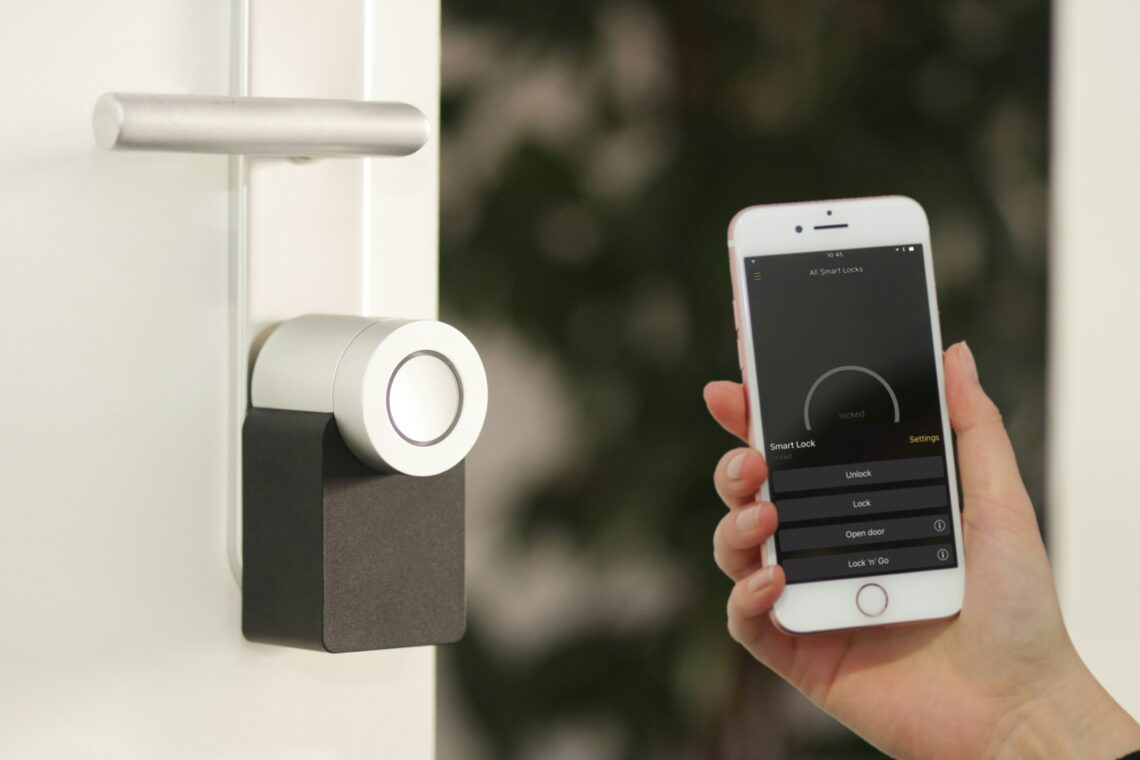
Yes, smart locks add a real layer of protection, even without a full system. You control access from your phone, get alerts for every lock and unlock, and set schedules so doors lock automatically, with options ranging from keyless entry and touch-screen panels to biometric fingerprint readers.
Most smart locks fit standard pre-drilled holes in your existing door, so installation stays simple. Location-based technology can unlock the door as trusted people arrive, and ADT’s Familiar Faces feature takes this further by recognizing trusted individuals as they approach. Voice assistants like Alexa or Google Home let you manage access hands-free.
Conclusion: Choosing Your Home Security System
Picking the right home security system matters more than most homeowners realize. Your choice affects your safety, your comfort, and your monthly budget for years to come.
Dr. Marcus Chen, who holds a Ph.D. in cybersecurity from Stanford University and has spent two decades evaluating residential security technologies, examined all five systems we reviewed. He has published over 40 research papers on wireless signal protection and sensor reliability, and major security firms consult him on system vulnerabilities.
His takeaway? Modern systems win through layers. Cameras catch visual evidence, sensors detect motion and entry, and monitoring centers respond when alarms trigger. Each piece covers gaps the others miss.
Each of our picks applies those principles differently:
- SimpliSafe’s wireless design cuts installation hassle and keeps costs flexible
- Vivint’s remote controls let you manage your home from anywhere
- Ring’s backup power keeps systems running during outages
- ADT and Vivint maintain professional monitoring licenses in all 50 states
- Abode’s HomeKit support gives Apple users Siri voice control
Honesty matters in this industry too. Dr. Chen stresses that companies should disclose monitoring response times and data storage practices, and most reputable systems carry UL certification from third-party lab testing. Clear answers about subscription costs and contract terms prevent surprises later.
Daily habits reveal a system’s true value. Place cameras at entry points, mount sensors on doors and windows rather than walls, and test your system monthly. Update passwords every three months and turn on two-factor authentication in your mobile app.
These habits take minutes but block most hacking attempts.
No system performs perfectly in every situation. SimpliSafe stands out for affordability and flexibility, though professional monitoring costs extra. Vivint offers superior remote control features, yet requires professional installation and longer contracts. Match the system to your home, your habits, and your budget, and you’ll sleep easier tonight.
Read more home and garden articles at ClichéMag.com
Images provided by Deposit Photos, BingAI, Adobe Stock, Unsplash, Pexels, Pixabay Freepik, & Creative Commons. Other images might be provided with permission by their respective copyright holders including AI generators.