
Modern architecture is a beautiful combination of both modern day and old school designs. Many see it now as an experience that is accompanied by both sustainable aspects, and flexibility. The structures that are defining todays aesthetic reflect modern day living, modern day work life and connectivity. From adaptive reuse projects to sculptural landmarks, contemporary design blends innovation with human centred purpose.
Across global cities, architecture has become both practical and expressive. According to the United Nations, nearly 57 percent of the world’s population now lives in urban areas, a number projected to rise to 68 percent by 2050. This rapid urbanization is reshaping skylines and influencing the architectural language of modern spaces. The result is a design era defined by clean lines, sustainable materials, and thoughtful spatial experiences.
Sustainability as the Foundation of Modern Design
Sustainability isn’t just a trend, but it is something that has been incorporated in our everyday lives. Now set as a standard. The World Green Building Council reports that buildings account for nearly 39 percent of global energy related carbon emissions. In response, architects are reimagining structures that reduce environmental impact while maintaining aesthetic appeal.
In home structures we are seeing more sustainable materials being used and within construction processes we are seeing a more reduced carbon footprint and a focus on waste reduction. Building a structure to last is also at the forefront of many decisions, as many people are wanting structures to last through the test of time and seasons. Modern living examples structures designed from steel Quonset hut kits, that not only save on building materials but boasts a 50 year warranty. Utilised to be structures like garages, workshops and more, to be used on a daily basis.
Sustainability shapes not only materials but also form. Glass façades now prioritize high performance glazing. Steel and timber are increasingly sourced responsibly. Natural light, ventilation, and green roofs are integrated into designs from the outset. The aesthetic that emerges is clean, light filled, and environmentally conscious.
Adaptive Reuse
Rather than demolishing or destroying old structures, architects and homeowners are starting to repurpose them. We are seeing shipping containers being converted into larger structures and utilised as home dwellings, we are even seeing recycled bricks being used for structures. Seeing something that has the potential of having another live is at the forefront of many architectural decisions. The growing popularity of adaptive reuse projects reflects a broader shift. Architecture is no longer about building from scratch. It is about storytelling, sustainability, and breathing new life into forgotten spaces.
Indoor Outdoor Integration
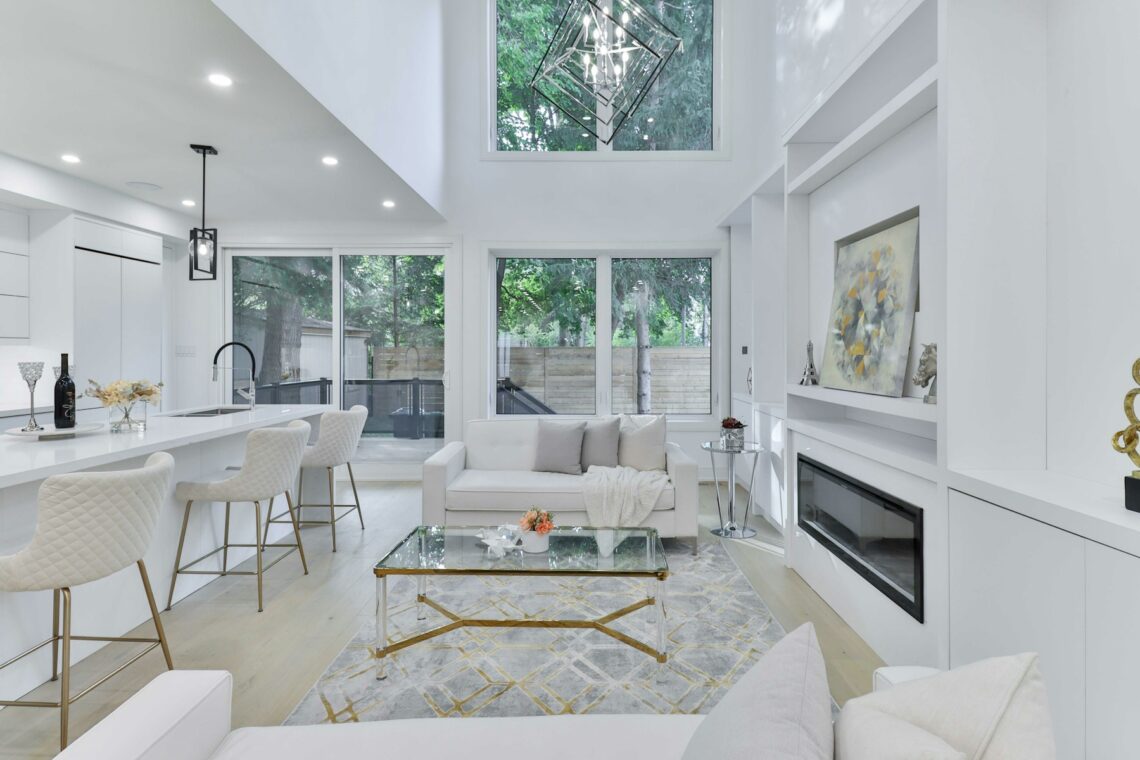
In today’s world, many crave the natural and the outdoor. From being stuck in offices and warehouses, to cars and public transport, this crave for the outdoor is influencing the modern design landscape. Blurring the line between interior and exterior spaces is a defining modern design trend. Large glass façades, retractable doors, rooftop gardens, and interior courtyards create seamless transitions.
This concept supports a balance which is supported by studies that allow people access to natural elements. Which in the long term is seen to improve productivity and mood.
The Human Element in Modern Spaces
Despite technological advances, the defining feature of today’s aesthetic is humanity. Clean lines and sustainable materials matter, but so do comfort and connection. Biophilic design, which integrates natural elements into built environments, has been shown to improve wellbeing and productivity. Studies suggest that access to natural light and greenery can enhance workplace performance by up to 15%.
Open layouts encourage collaboration. Community focused courtyards foster social interaction. Even large-scale projects prioritize walkability and public gathering spaces. Modern architecture recognizes that buildings shape behaviour and emotion.
Modern structures are driven by sustainable practice and a need for liveable products, whether it is integrated with technology or not. Alongside combining modern designs with reusable materials, we are seeing a huge shift in modern space designs, and the trend does not seem to be slowing down.
What will we see next?
Read more home decor articles at ClichéMag.com
Images provided by Deposit Photos, BingAI, Adobe Stock, Unsplash, Pexels, Pixabay Freepik, & Creative Commons. Other images might be provided with permission by their respective copyright holders.