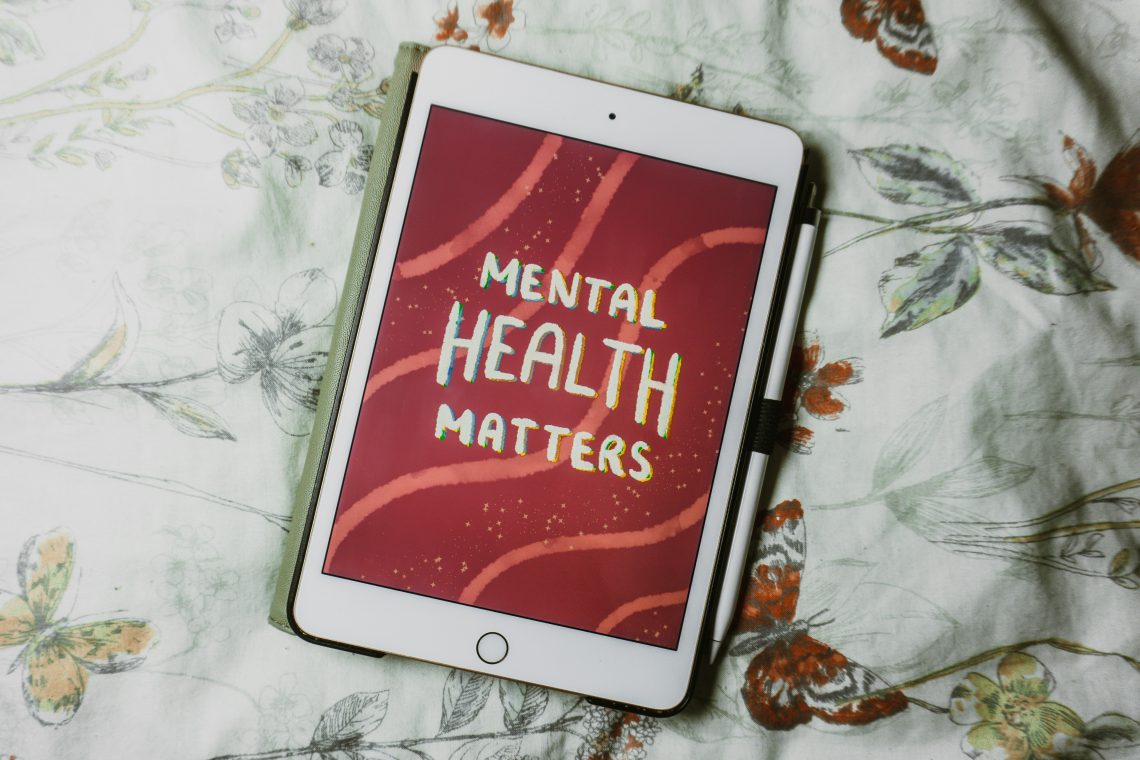

There’s no PTO policy for when you wake up flattened by dread. No friendly HR memo about how to call in when your chest tightens for no medical reason and you haven’t felt like yourself in weeks. We’ve normalized powering through anxiety, burnout, and intrusive thoughts like they’re part of the job description—as if your brain doesn’t count as part of your body.
Workplaces have gotten comfortable talking about mental health in theory. A Slack emoji here, a corporate wellness webinar there. But when it’s time to actually treat your mental health like you would strep throat or a herniated disc, the room gets quiet. That’s the tension we need to break wide open—not just in corporate culture, but in how we personally give ourselves permission to stop.
Anxiety’s Not a Side Hustle
You can’t productivity-hack your way out of panic. And yet, we try. We stack supplements, meditation apps, and cold plunges like we’re building a ladder out of overwhelm. But when anxiety is chronic, it doesn’t respect boundaries. It doesn’t care that you cleared your weekend for “self-care” or blocked off time for a fake lunch break on your calendar. It follows you into Monday anyway.
Mental health conditions aren’t lifestyle quirks. They’re medical. Real. And they deserve treatment like anything else in your chart. You wouldn’t shame someone for taking leave after surgery. But most people still whisper when they’re struggling with something invisible, like it’s a character flaw instead of a health issue. That’s not just a stigma problem—it’s a policy problem, too.
The Sick Day Nobody Talks About
If you’ve ever debated whether you’re “sick enough” to stay home when your thoughts are racing or your body’s shaking from stress, you’re not alone. It’s a calculation many people make daily. We internalize the idea that unless we’re physically vomiting or feverish, we’re just being dramatic. That standard is outdated and dangerous.
That’s why more employees—especially those in high-pressure fields—are fighting for protected time off that acknowledges mental conditions the way we treat physical ones. Mental health leave isn’t a luxury. It’s the modern sick day. When used early and responsibly, it can stop someone from spiraling into a place where recovery becomes a much longer road. A single day off to reset, check in with a therapist, or just stop pretending can keep someone in the game a lot longer than ignoring the warning signs ever will.
And here’s the truth: when workplaces respect mental health leave, they’re not just being empathetic. They’re protecting their own productivity and long-term workforce stability. But even if your employer doesn’t get it yet, you can still advocate for your brain with the same urgency you’d give a broken limb.
You Can’t Medicate Burnout With Discipline
There’s a point where grit becomes self-betrayal. We romanticize resilience, but the kind that keeps you sitting through meetings while disassociating or nodding politely through full-blown anxiety attacks isn’t resilience—it’s survival. And long-term survival mode isn’t sustainable.
People lose themselves in this grind. They forget what it feels like to be rested, curious, or even neutral. And the body keeps the score. Digestive issues, headaches, chronic fatigue—your nervous system won’t just let this stuff slide.
When you ignore the early symptoms of declining mental health, your body has to scream louder. Eventually, something gives. And when it does, people look around like it came out of nowhere. It didn’t. It’s just been masked by routines, performance, and that panic-stained grin you’ve perfected for Zoom calls.
Stop Performing Sanity
Most people are far better at pretending to be fine than they are at actually being okay. Especially in professional environments where competence gets conflated with composure. You’re allowed to step away without offering a dissertation about your mental state. You don’t owe anyone a trauma PowerPoint just to take care of yourself.
There’s power in being unapologetic about your capacity. Some days, you’ll hit every deadline. Other days, you’ll hit a wall. Mental wellness isn’t about mastering a mood. It’s about learning what to do when the old strategies stop working, and being willing to pause instead of pushing harder.
And if that pause needs to be official—time on the calendar, a day away from the noise, even a full leave—that’s not a weakness. That’s the kind of awareness most people never get the chance to practice until they’re forced to. Taking it seriously now means avoiding the kind of burnout that leaves permanent scars.
Where We Go From Here
We have to stop treating mental exhaustion like a personal failure. If you’re white-knuckling through work with no idea how to come up for air, you don’t need more discipline. You need a break—and probably a system that isn’t built on pretending everyone’s always okay.
The world isn’t slowing down. Algorithms aren’t going to check in on your mental state. And no one’s handing out medals for suffering in silence. That means it’s up to you to set the precedent. To take the time, ask for the space, and stop playing small with your own health.
Permission Granted
You don’t need to prove how bad it is for it to count. You don’t need to fake a cough or apologize for needing rest. Your brain is an organ, and if it’s not functioning right, that deserves treatment—not shame, not guilt, not a tight smile at your 9 a.m. meeting.
Take the break. And next time someone else does, don’t ask why. Ask how you can help make it normal.
Read more mental health articles at ClichéMag.com
Images provided by Deposit Photos, BingAI, Adobe Stock, Unsplash, Pexels, Pixabay & Creative Commons