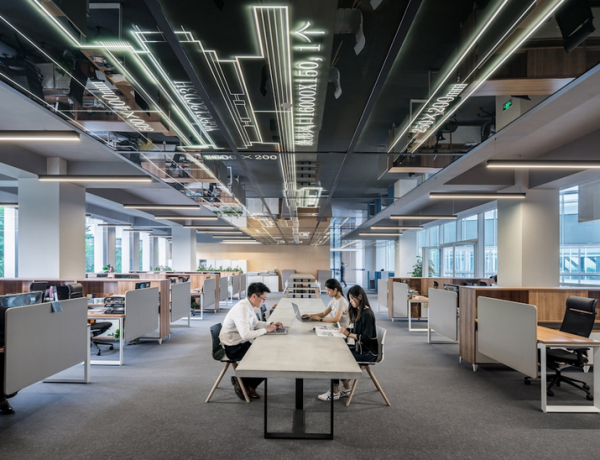

Chronic stress and anxiety affect many people in today’s busy world. Work demands, personal relationships, and financial pressures can create overwhelming stress. Many find themselves trapped in a cycle of worry, impacting their mental and physical health. Realizing this struggle is the first step to restoring balance in life.
Dealing with chronic stress is not just about coping; it’s about finding practical ways to bring calm and control back into your life. Managing stress and anxiety is a personal journey with many parts.
Here are some effective ways to treat chronic stress and anxiety:
Physical Activity
Adding regular physical activity to your routine is another great way to reduce chronic stress and anxiety. Exercise releases endorphins, which boost your mood. Whether you like walking, cycling, or yoga, find a type of movement you enjoy to increase your ability to cope with stress.
Many people find that physical activities improve their mood and provide a healthy way to release tension. Aim for a consistent routine that works for you, including both aerobic exercise and stretching to keep your body and mind in sync.
Cognitive Behavioural Therapy
Cognitive Behavioural Therapy (CBT) is a helpful treatment for chronic stress and anxiety. A psychologist trained in this therapy helps you identify negative thoughts and replace them with positive ones. This method addresses immediate issues and gives you tools to manage future challenges.
Working with a psychologist can be beneficial, as their guidance offers clarity and support that self-help methods may not provide. Therapy can help you understand the root causes of your anxiety and promote personal growth.
Nutritional Considerations
What you eat can greatly affect your mood and stress levels. A balanced diet rich in whole foods can improve your mental health. Foods high in antioxidants, vitamins, and omega-3 fatty acids, like fruits, vegetables, nuts, and fish, support brain function and emotional well-being.
It’s also helpful to watch your caffeine and sugar intake, as these can increase anxiety. Don’t forget to stay hydrated. Drinking enough water is essential for your overall health and can help you feel clearer and calmer throughout the day.
Mindfulness Practice
Mindfulness is a helpful technique where you focus on the present moment without judgment. It can greatly reduce stress and anxiety. Simple activities like deep breathing and meditation help you observe your thoughts without being overwhelmed by them.
Starting with just a few minutes each day can make a big difference. Guided meditation apps or online resources can introduce you to this practice. As you improve your mindfulness skills, you can better handle stress, making daily challenges easier to manage.
Sleep Hygiene
Good sleep is important for managing stress and anxiety. When you get enough rest, you can handle challenges better. Create a sleep routine to help your body know when it’s time to sleep. Aim for seven to eight hours each night. Make your bedroom restful by reducing screen time, keeping noise low, and ensuring it is cool and dark.
Activities like reading or journaling before bed can help signal to your mind that it’s time to relax. Sleep helps regulate emotions, and maintaining a healthy sleep pattern can improve your ability to manage stress.
Social Support
Connecting with others can boost your mental health. Friends, family, or support groups allow you to share feelings and experiences. Having a network of people who understand your struggles can reduce feelings of isolation that often come with stress and anxiety.
Consider making social plans, whether it’s a phone call, a coffee meeting, or joining a local group that matches your interests. Socializing can help you shift your focus and gain new perspectives, thereby lightening your emotional burden.
Stress-Reduction Techniques
Trying various stress-reduction techniques can be very helpful. Activities like yoga, tai chi, or simple stretching help with relaxation and clear thinking. Creative outlets like art, music, or writing also allow you to express yourself and process emotions healthily.
Finding what works for you may take time, but exploring different activities can lead you to what brings you peace. Remember, the goal is progress, not perfection.
Professional Assistance
If self-help methods aren’t enough, consider seeking professional help like a therapist. Mental health professionals can provide personalized strategies that fit your needs. Their insights often lead to more effective coping strategies and greater resilience.
Taking this step shows strength and commitment to your well-being. Professionals are trained to help you deal with stress and anxiety in caring and useful ways.
In conclusion, managing chronic stress and anxiety requires a mix of strategies that fit your lifestyle. Being proactive about your mental health can lead to long-lasting benefits. Remember, you have the power to shape your journey toward a more balanced and fulfilling life.
Read more health articles at ClichéMag.com
Images provided by Deposit Photos, BingAI, Adobe Stock, Unsplash, Pexels, Pixabay Freepik, & Creative Commons. Other images might be provided with permission by their respective copyright holders.