
Last Updated on September 17, 2026 by Cliche
Heavy cream, whipping cream, and cooking cream do different jobs in the kitchen. Pick the wrong carton, and whipped cream can slump, a sauce can turn thin, or a hot soup can split.
The U.S. Food and Drug Administration sets the standard for heavy cream at at least 36% milk fat. That higher fat level gives you firmer whipped peaks and a richer finish in baking, ice cream, and American-style fettuccine Alfredo.
Use this guide to choose the right cream before you start cooking.
FAQs
1. What is the main difference between heavy cream, whipping cream and cooking cream?
Heavy cream has a high fat level, so it whips into firm peaks. Whipping cream has a lower fat level, and it makes softer peaks. Cooking cream has stabilizers, it holds up to heat and works best in sauces and soups.
2. Which cream should I use for whipped topping?
Use heavy cream for firm, stable whipped cream; the whipping product gives lighter peaks, and cooking cream rarely whips well.
3. Can I use cooking cream in hot dishes?
Yes, cooking cream resists curdling and stays smooth in sauces and soups. Heavy cream also works, but whipping cream can split if heated too long.
4. How can I swap one cream for another in a recipe?
Match fat content and heat needs, and pick heavy cream for whipping and rich sauces. If you only have whipping cream, add a bit of butter to raise the fat, or use cooking cream for long simmering dishes.
Key Takeaways
- Heavy cream and heavy whipping cream are the same U.S. product category. Both contain at least 36% milk fat and work for stiff whipped cream, baking, ice cream, and rich sauces.
- Light whipping cream contains 30% to 36% milk fat. It makes softer, airier peaks and works well for fruit, cocoa, coffee, and desserts served right away.
- Cooking cream is not a single standardized U.S. cream category. Check the label for milk fat and stabilizers before using it in a recipe.
- Half and half, light cream, and sour cream can add creaminess, but they do not replace heavy cream in recipes that need whipped structure.

Heavy Cream (Heavy Whipping Cream)
Heavy cream has at least 36% milkfat, which makes it the carton to grab when a recipe needs body, richness, or whipped structure. Food Network’s 2026 kitchen guide also treats heavy cream and heavy whipping cream as interchangeable names for the same product.
Use it for sturdy whipped cream, ganache, custards, ice cream bases, and sauces that need a rich finish.
Fat content: At least 36% milk fat
Heavy cream has at least 36% milk fat. In U.S. labeling rules, “heavy cream” and “heavy whipping cream” use the same minimum standard.
That fat helps trap air while you whip. It also gives sauces a fuller texture, so a small amount can make a pan sauce or cream soup taste less watery.
- For baking: Use it in ganache, custards, cheesecakes, and ice cream bases when richness affects the finished texture.
- For savory food: Stir it into creamy fettuccine Alfredo, chowders, and pan sauces over low heat.
- For substitutions: Do not swap in half and half if the recipe needs whipped peaks or a thick, rich sauce.
Ideal uses: Piping, desserts, rich sauces
Choose heavy cream for piped rosettes, mousse, trifle toppings, and desserts that need to sit for a while before serving. Its higher milk fat helps it hold stiff peaks longer than light whipping cream.
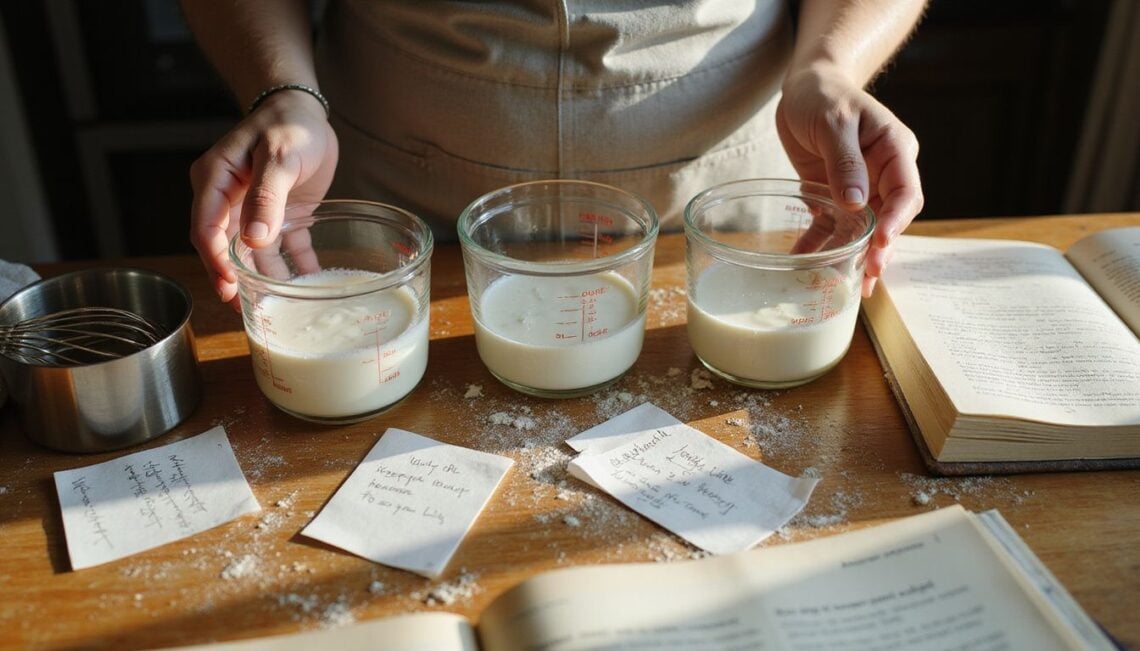
For whipped cream, chill the carton, bowl, and beaters first. Land O’Lakes advises whipping cold cream in a chilled bowl, then adding sugar as the peaks begin to form.
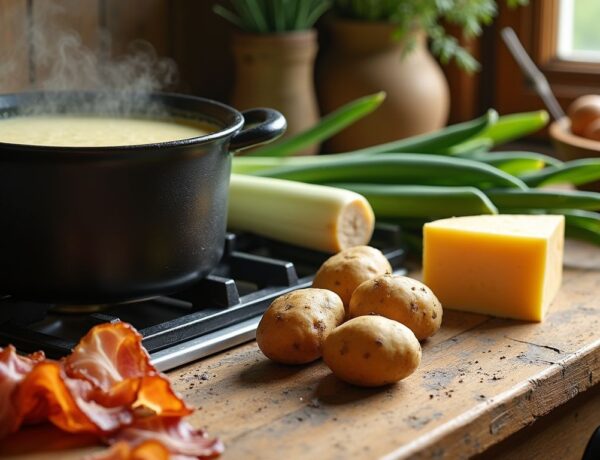
Heat heavy cream gently in sauces. A quiet simmer works better than a hard boil, especially if the pan also contains wine, lemon, tomatoes, or cheese.
For breakfast, a small spoonful over Bob’s Red Mill gluten free rolled oats adds richness without turning the bowl into dessert. Save clotted cream for scones and other uses where its much thicker texture is part of the point.
Whipping Cream (Light Whipping Cream)
Whipping cream, often labeled light whipping cream, is lighter than heavy cream but still has enough milk fat to whip. Use it for soft, fresh toppings rather than sharp piping work.
It can also work in soups and sauces, but it gives you less richness and less margin for error than heavy cream.
Fat content: 30% to 36% milk fat
Light whipping cream contains 30% to 36% milk fat. U.S. Dairy lists about 43 calories and 4.6 grams of fat per tablespoon for light whipping cream, compared with about 51 calories and 5.4 grams of fat for heavy cream.
That difference may look small on a label, but it changes the finished texture. Light whipping cream can make soft or medium peaks, while heavy cream is more dependable for stiff peaks and piping.
For a topping that needs to stay tall, buy heavy cream. For a light topping you will serve right away, light whipping cream is a good fit.
Ideal uses: Toppings for fruits and drinks
Use whipping cream for berries, cobblers, hot cocoa, iced coffee, shortcakes, and warm whole grains. It gives you a light, airy finish without the heavier feel of a high-fat topping.
Serve it soon after whipping. If you need to hold it for a party buffet or pipe it onto cupcakes, heavy whipping cream gives you a safer result.
- Chill the bowl and beaters before starting.
- Stop at soft peaks for spooning over fruit or drinks.
- Stop at medium peaks for cakes and pies.
- Do not keep mixing after stiff peaks form, or the cream can turn grainy and head toward butter.
Cooking Cream
Cooking cream can be useful for soups and sauces, but the name does not tell you one fixed fat percentage in the United States. Read the carton before treating it as a substitute for heavy cream.
Some products sold as cooking cream include starches or gums that help them stay smooth in a hot pan. Others are simply lighter cream products sold under a brand-specific name.
Fat content: Check the carton, not the name
Cooking cream is not defined by one U.S. milk fat standard. For example, Anchor Chef’s Cooking Cream lists 20.5 grams of milk fat per 100 grams and includes modified corn starch and stabilizing ingredients.
That makes a product like this useful for a smooth sauce, but it will not whip into dessert peaks. A carton labeled cooking cream can vary by brand, so check both the nutrition panel and ingredient list.
| What the label shows | What it means for your recipe |
|---|---|
| About 18% to 30% milk fat | Expect a lighter sauce than heavy cream. Do not plan on stiff whipped peaks. |
| Starch, cellulose gum, or similar stabilizers | It may stay smoother in hot soups or acidic sauces. Taste first, since the texture can feel thicker than plain cream. |
| Heavy cream or heavy whipping cream | You have a 36% or higher milk fat product that can whip and handle rich sauces. |
Ideal uses: Hot soups and acidic sauces
Use cooking cream for tomato soup, mushroom sauce, curry, gravy, and creamy skillet meals where you want a lighter finish. Add it near the end of cooking and keep the heat low enough to avoid a rolling boil.
Its stabilizers can help in acidic dishes, but no carton can fix a sauce that boils hard for too long. Whisk it in gradually, then taste before adding salt, since reduced sauces can become salty fast.
Do not use cooking cream for whipped cream, cake piping, mousse, or recipes where the cream must add thick dairy structure.
Key Differences at a Glance
Fat content tells you what each cream can do. Heavy cream gives you the most structure, light whipping cream gives you a softer topping, and cooking cream depends on its own label and formula.
Fat content comparison
| Cream | Milk Fat | Whipping Ability | Heat Use | Best Culinary Uses |
|---|---|---|---|---|
| Heavy Cream or Heavy Whipping Cream | At least 36% | Excellent, stiff peaks | Good for gentle simmering | Whipped cream, piping, ice cream, baking, ganache, rich sauces |
| Light Whipping Cream | 30% to 36% | Soft to medium peaks | Use gentle heat | Fruit, drinks, cakes, pies, lighter cream sauces |
| Light Cream | 18% to 30% | Will not make stable peaks | Useful for light sauces and coffee | Soups, coffee, lighter savory dishes |
| Half and Half | 10.5% to less than 18% | No | Can curdle more easily in high heat or acid | Coffee, eggs, light custards |
| Cooking Cream | Varies by brand | Usually no | Often formulated for hot sauces | Soups, gravies, tomato sauces, skillet meals |
Whipping ability comparison
Milk fat creates the structure that holds air in whipped cream. More fat gives you a firmer, longer-lasting result.
| Cream Type | What You Can Expect | Use It For |
|---|---|---|
| Heavy Cream | Stiff peaks that hold their shape well | Piping bags, layered desserts, frosting folds, make-ahead toppings |
| Light Whipping Cream | Soft, fluffy peaks that lose shape sooner | Fruit, cocoa, coffee, pie slices, desserts served right away |
| Light Cream, Half and Half, Cooking Cream | Little or no stable whipped structure | Sauces, soups, coffee, and savory dishes only |
For a better whipped cream result, start cold and stop as soon as you reach the peak you need. Overwhipping breaks the smooth texture and can leave you with grainy cream.
Heat stability comparison
Heavy cream is the safer choice for a rich sauce because its high milk fat gives it more body. Light whipping cream can work in a mild soup or sauce, but it is more likely to look thin or split if you boil it hard.
Cooking cream can be helpful for tomato, lemon, wine, or other acidic sauces if the brand includes stabilizers. Treat it as a product with its own rules, not as a direct stand-in for every heavy cream recipe.
- For béchamel or cream sauce: Use heavy cream for a richer finish, or use cooking cream for a lighter sauce if the label supports hot use.
- For tomato soup: Stir in heavy cream or cooking cream after lowering the heat.
- For lemon or wine pan sauces: Add cream slowly and avoid a hard boil.
- For baking: Use the cream named in the recipe. Fat content affects tenderness, volume, and set.
Conclusion
Heavy cream is the right pick when you need structure. At 36% milk fat or more, heavy whipping cream makes stable whipped cream and adds the rich texture that baking, ice cream, and creamy sauces need.
Choose light whipping cream for soft toppings, and choose cooking cream only after checking its label for fat content and stabilizers. Match the carton to the job, and your sauces, soups, and desserts will turn out with better texture.
FAQs
1. What is the main difference between heavy cream, whipping cream and cooking cream?
Heavy cream has a high fat level, so it whips into firm peaks. Whipping cream has a lower fat level, and it makes softer peaks. Cooking cream has stabilizers, it holds up to heat and works best in sauces and soups.
2. Which cream should I use for whipped topping?
Use heavy cream for firm, stable whipped cream; the whipping product gives lighter peaks, and cooking cream rarely whips well.
3. Can I use cooking cream in hot dishes?
Yes, cooking cream resists curdling and stays smooth in sauces and soups. Heavy cream also works, but whipping cream can split if heated too long.
4. How can I swap one cream for another in a recipe?
Match fat content and heat needs, and pick heavy cream for whipping and rich sauces. If you only have whipping cream, add a bit of butter to raise the fat, or use cooking cream for long simmering dishes.
Read more food articles at ClichéMag.com
Images provided by Deposit Photos, BingAI, Adobe Stock, Unsplash, Pexels, Pixabay Freepik, & Creative Commons. Other images might be provided with permission by their respective copyright holders including AI generators.