Motorsports is all about speed and skill, but staying safe relies heavily on the gear drivers wear. Not every piece of racing gear is the same, and the biggest differences come down to how each item is made, what materials are used, and if it’s designed for everyone or just for individuals. Exclusive racing gear is built for specific drivers, with high-tech features and special materials, providing a custom fit that you won’t get in standard products. Mass-produced gear, however, is made for the masses-bringing good quality protection at a lower price so more people can get involved. If you’re shopping for racing gear and want more details, check out a trusted shop like Top Racing Shop.
Racing safety gear has come a long way. Early on, car racing was extremely dangerous, with tragic accidents common-Formula 1, for instance, used to lose about two drivers each year. Safety innovations such as better harnesses and emergency exit routines have made a huge difference. But as race cars have gotten faster, the need for truly reliable protective gear has only increased. The balance between exclusive, high-performance gear and mass-market options shapes the safety and performance of everyone from weekend racers to professionals.
How Do Exclusive and Mass-Produced Racing Gear Compare?
Exclusive and mass-produced racing gear take two very different approaches. Mass production is all about making lots of products quickly and keeping things consistent. This makes gear affordable and accessible, so more racers can get what they need without spending too much. The goal here is to make sure that every driver has protection that meets a minimum safety level and follows the rules for racing.
Exclusive gear takes a different path. Instead of making lots of one-size-fits-all items, these products are custom-made and focus on top performance. It’s like getting a suit made especially for you instead of picking one off a rack. Exclusive racing gear uses new technology and premium materials, continually trying to give the user every possible advantage in comfort and safety on the track.
What Makes Exclusive Racing Gear Different?
- Materials: Exclusive gear can use special materials like custom-made composites or fire-resistant fabrics from advanced research, while standard gear sticks to proven options such as Nomex.
- Craftsmanship: There’s a lot of handwork and attention to detail in exclusive gear, with suits tailored perfectly, helmets custom-molded, and tweaks for comfort and effectiveness.
- Technology: Exclusive racing gear might have built-in sensors to track your breathing or heart rate, active cooling systems, or shapes tested in wind tunnels for better speed and comfort.
- Testing: High-end gear gets more in-depth testing, sometimes even beyond official standards, and is shaped by feedback from top racers.
- Limited Runs: Exclusive gear usually comes in small batches, and companies often work closely with teams or individual drivers for a much more personal experience.
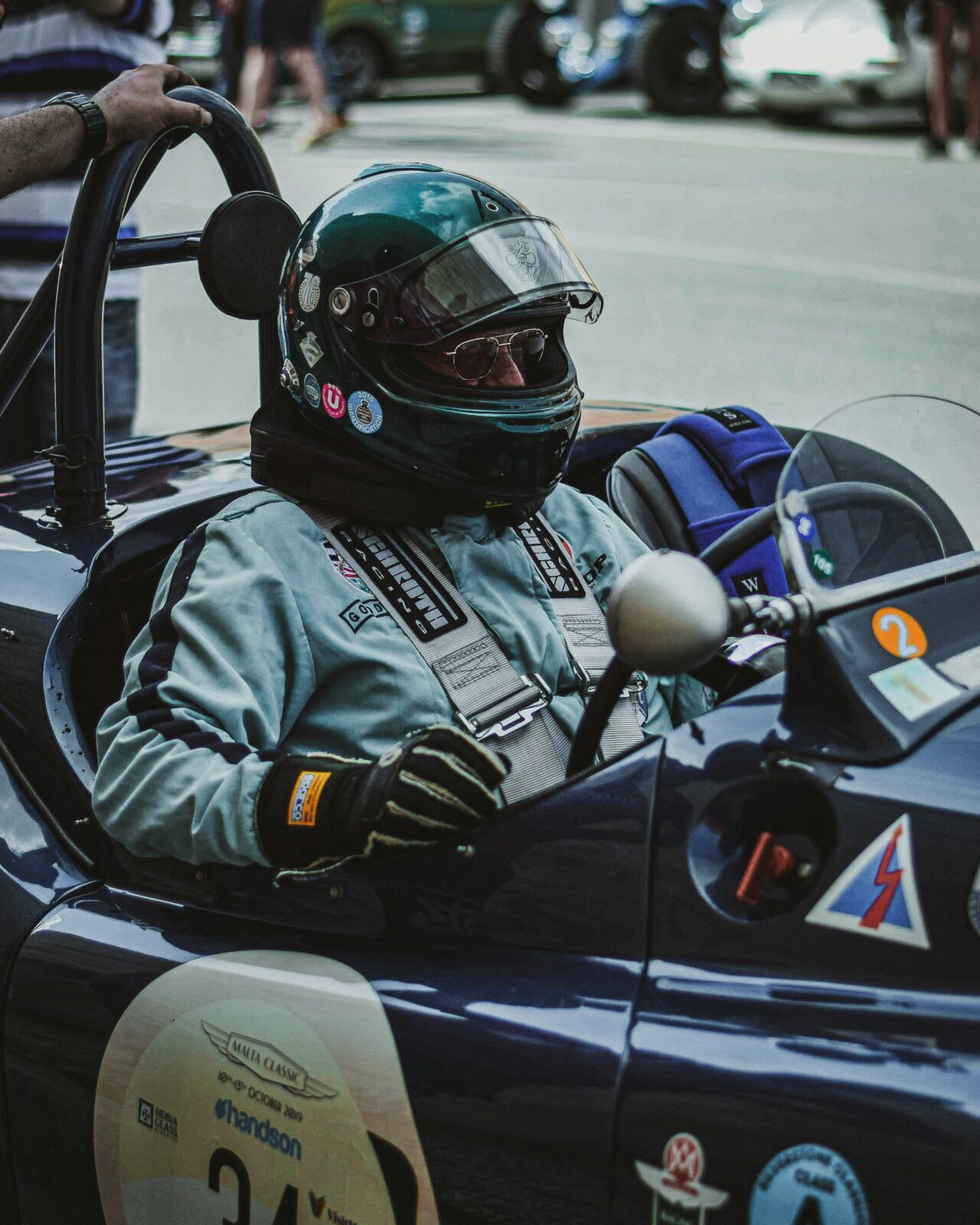
Photo by Clayton Tonna on Unsplash
What Is Exclusive Racing Gear?
Exclusive gear is built for maximum performance and safety. It’s the best you can get, often introducing features and materials that will eventually show up in standard options. It’s made for racers who won’t compromise-they want every possible advantage and the highest protection for the most serious situations.
Special Materials and Advanced Technology
Exclusive gear starts with the best materials: special carbon fibers, custom fireproof plastics, or alloys used in airplanes and space. These aren’t just about making things lighter-they help absorb impacts better and handle heat or fire more effectively. Exclusive helmets, for example, use several layers of high-grade carbon fiber and fireproof materials, and might have extra ventilation or smarter shapes for faster cars.
These products also combine with the latest tech. You might see suits with sensors in the fabric to track your vitals, cooling systems to fight overheating, or high-tech shapes tested for better airflow. The point is for the gear to work with the driver, not just sit on them as protection. In many ways, exclusive racing gear is already using technology that will one day be common everywhere.
Custom Fit and Personal Engineering
Custom fit is one of the key features of exclusive racing gear. While standard items come in sizes, exclusive gear is made for a specific person. Helmets are shaped to fit a particular head, suits are made to fit each curve and movement, and even the padding sits in just the right spots. This isn’t just about comfort-a perfect fit means better protection and more focus, since the gear won’t bunch up or become distracting.
Custom work can also match your driving style or the car itself. There might be special ventilation for the type of car you drive or gloves with controls placed exactly where your fingers rest. The goal is to make the gear feel like a seamless part of you during the race.
Limited Production and Brand Reputation
Calling something “exclusive” often means only a few are ever made. Brands that create exclusive gear usually do so in small amounts, allowing more careful checks and special features. This also makes the gear more desirable and valuable. Some luxury products create fake “scarcity” to charge higher prices, but in racing, limited amounts are often needed to keep the quality high.
Exclusive gear brands have strong reputations, built by years of new designs and close partnerships with leading racing teams. Their names are linked with progress, safety, and success at the highest levels. This status lets them charge more, but it also means pro racers trust these brands for their safety and performance.
What Defines Mass-Produced Racing Gear?
Mass-produced racing gear is what most racers start with. It’s widely available in many stores, meets solid safety standards, and costs far less than bespoke gear. By making lots of items quickly and efficiently, companies can give more people access to the right protection and help expand the sport.
Standardized Production and Automation
These products are made using set processes in big factories. Instead of handmade parts, machines handle most of the work, allowing thousands of items to be built to the same specs. This keeps prices down and makes sure everyone gets the same basic quality in helmets, suits, gloves, and more. Each product type is checked for safety on a set schedule, ensuring confidence in every purchase.
Affordability and Wide Reach
The biggest advantage of mass-produced racing gear is that it’s much cheaper than exclusive options. Making large numbers of the same thing brings costs down, making it easier for people to afford what they need. As with cars or other mass-market products, the goal is to give everyone a chance to participate safely. This approach has opened up racing to more people than ever before.
Consistent Quality and Safety
Uniformity is very important for mass production. Every item of a certain model is the same in terms of how it’s made and how it performs. This makes life easier for racing organizations-who can check one item, then trust the whole production run. All gear must pass strict safety certification (like FIA or SNELL), which means that even affordable gear still offers real protection.

Photo by Hush Naidoo Jade Photography on Unsplash
How Do Safety Standards Stack Up?
All racing gear, exclusive or mass-produced, must pass certain tests set by racing authorities. Yet exclusive gear and mass-produced gear go about this in slightly different ways.
|
Factor |
Mass-Produced Gear |
Exclusive Gear |
|
Testing |
Standard batch testing, meets minimum required levels |
Often exceeds requirements, uses more real-world and advanced testing |
|
Feature Updates |
Slower, waits for updates to become cheap and practical for mass use |
Faster, tries new tech first and more often |
|
Who’s the Focus? |
General racers, hobbyists, school programs |
Professionals, serious amateurs, anyone needing personalized protection |
Testing and Certification
Mass-produced gear gets checked in large batches, making sure every unit is up to code. Exclusive gear often goes further, adding in even tougher or more specific tests. For example, a standard suit that can protect for 20 seconds against fire might be considered excellent for most-with exclusive suits aiming for even longer times using newer materials.
New Safety Features
Exclusive gear sees new technology first. Safety improvements, like the early use of the HANS device, show up in exclusive gear before moving to mass-produced ones. That’s partly because smaller companies that serve pros can roll out improvements faster, while bigger firms wait until updates are cheaper and simpler to make at scale.
Real Race Performance
In the top levels of professional competition, exclusive gear can offer a real advantage. Custom fits, lighter weights, extra cooling, and new materials help elite drivers perform at their best, especially in long, hot, or very dangerous races. Mass-produced gear is more than enough for most people racing at club or amateur tracks, but exclusive gear meets the unique demands of high-level competition.
What About Cost?
The biggest, most obvious difference between exclusive and mass-produced gear is price. This isn’t just because of “branding”-there are real reasons for the difference:
|
Gear Type |
Typical Cost Range |
Main Value |
|
Mass-Produced |
Lower to moderate |
Affordable, reliable, meets required safety |
|
Exclusive |
Much higher |
Best performance, comfort, and advanced features |
Price and What You’re Paying For
Mass-produced gear is supposed to keep costs down. You get certified safety at a fair price, and for most amateur racers, it does the job very well. Exclusive gear is top of the line, using expensive materials, new research, and custom labor, so the price goes way up. That extra cost buys higher comfort, longer use, and sometimes, a real performance edge-but many will find mass-produced gear more than enough for their needs.
Durability and Upkeep
Standard gear is made to last for many races and is tough, but exclusive gear often lasts even longer-though it may need special care or repairs. High-end shoes, for example, can last longer and keep their shape better. Still, exclusive gear sometimes needs special cleaning or care. The extra cost up front could be offset by using it longer, especially if you race often at high levels.
How Do Design and Personalization Differ?
Personal style and function are areas where exclusive gear stands apart from mass-produced options. Here’s how they compare:
- Exclusive Gear: Built for one person-custom fits, custom colors, your personal branding, special tech, every detail adjusted for the racer.
- Mass-Produced Gear: Comes in a set group of sizes and colors, but no unique adjustments beyond that.
Custom Build for Individuals
Exclusive gear is made to fit each person, right down to shaping the helmet to your head and picking every material and feature you like. Even colors and graphics are custom, often created by artists for that unique look. This makes the gear feel like part of you and lets professionals or dedicated racers stand out.
Brand Collaborations and Limited Versions
Top gear manufacturers sometimes team up with teams or famous drivers to make super-limited editions-these are rare, often have new tech, and become collector’s items. They are also expensive, but some see them as an investment in both racing and memorabilia.
Regular Options in Mass-Produced Gear
For most racers, standard gear is enough. Mass-produced items come in several basic sizes and simple color choices, but not much customization. The upside is that you know what’s you’re getting, and it’s safe, works well, and is affordable.
Which Racing Items Show the Biggest Differences?
- Helmets: Early models were just cloth, but now mass-produced helmets meet strict safety rules with advanced plastics. Exclusive helmets use even lighter and stronger carbon fiber, with custom fits, clever ventilation, better communication gear, and unique shells made just for the driver.
- Suits and Gloves: Standard suits use Nomex to fight fire, providing good protection. Exclusive ones add more layers, lighter materials, and are tailored for the perfect fit. They can include active cooling or materials that remove sweat quickly. Fancy gloves might have better grip, materials, and a fit made only for the driver.
- Shoes and HANS Devices: All racing shoes protect from fire and improve pedal feel, but exclusive shoes use lighter or tougher materials and can be custom-molded for the perfect fit. HANS devices are mostly the same for safety, but high-end versions may be lighter or more comfortable.
- Underwear and Extras: Basic fire-retardant underwear keeps racers safe and cool. Top versions use better moisture control, seamless designs, and may add muscle support. Other small add-ons-like custom earplugs or hydration packs-also vary more in exclusive gear.
Pros and Cons: Exclusive vs. Mass-Produced Gear
|
Type |
Pros |
Cons |
|
Exclusive Gear |
Made for you personally-best fit, comfort, and safety Cutting-edge materials and tech Prestigious brands and unique design |
Very expensive Can be hard to buy due to limited production Might need special care or repairs |
|
Mass-Produced Gear |
Affordable for most people Easy to get hold of Consistent quality, passes safety rules |
No unique fit or customization Not always using the latest tech Everyone’s gear looks alike |
How to Choose Between the Two?
Assess Performance and Budget
- Casual Racers: If you race occasionally, certified mass-produced gear is safe and enough for your needs.
- Those Watching Costs: Mass-produced gear helps you save money to spend on other racing costs (like tires or event fees).
- Drivers Needing the Best: If you race at a professional or very competitive level, and small advantages matter, exclusive gear is a better fit. Improved comfort and special fit can help with focus and endurance, or simply give you peace of mind.
Who Gets the Most Out of Mass-Produced Gear?
- Beginner drivers and those just enjoying the experience.
- People on a budget who want to get involved without spending a lot.
- Schools and programs renting out gear to many users.
- Racing teams who need lots of gear for multiple drivers.
This approach means almost anyone can enjoy motorsports with proven, effective protection.
Common Questions and Myths
Does Exclusive Gear Always Work Better?
Not always. Exclusive gear offers better customization and some performance gains, but these are most noticeable only for pro drivers. For an amateur, the difference between good mass-produced gear and high-end exclusive gear is often small. Fit and maintenance matter more than price or exclusivity, especially if the standard gear fits you well and is in good condition.
Is Price the Same Thing as Safety?
Not every expensive item is safer than a less expensive one. As long as gear meets safety standards, it’s considered safe. High prices are more about improved comfort, custom fit, and technology, not always basic protection. Always look for certified gear first.
What Do the Pros Use?
Professional drivers almost always choose exclusive, custom-made gear-because small details can make a big difference in long or hard races. They work with brands to get the exact fit and features needed. While they sometimes wear standard gear for demos or practice, their main gear for real races is always the best they can get, built to their body and their personal needs.
Read more lifestyle articles at ClichéMag.com
Images provided by Deposit Photos, BingAI, Adobe Stock, Unsplash, Pexels, Pixabay & Creative Commons