
Last Updated on May 20, 2026 by Cliche
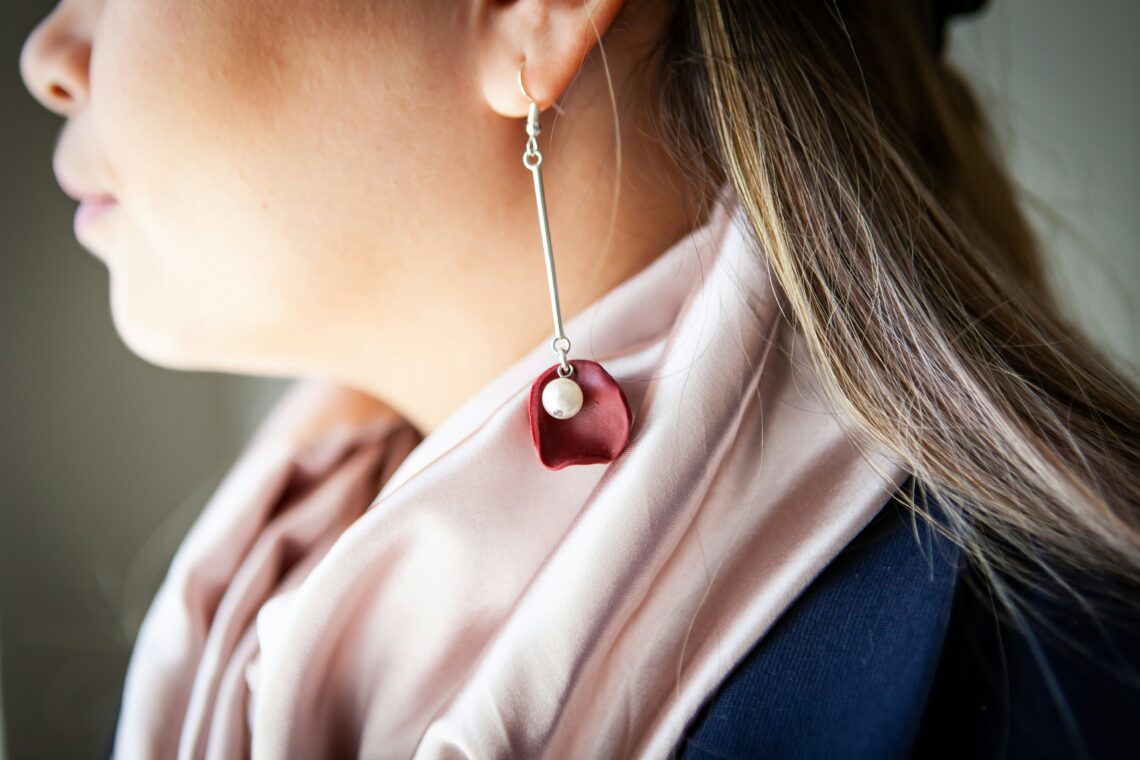
Few accessories have commanded the attention of fashion’s most discerning minds quite like the silk scarf. From Audrey Hepburn’s effortless Parisian elegance to modern street-style icons draping them in unexpected ways, silk scarves have woven themselves into the very fabric of fashion history. They represent more than mere adornment—they embody artistry, craftsmanship, and a philosophy of dressing that values quality over quantity.
For today’s fashion enthusiasts, silk scarves have become indispensable tools for self-expression and sustainable style. In an era where conscious consumption matters as much as aesthetic impact, these versatile pieces offer something rare: the ability to transform an entire outfit while aligning with ethical fashion values. Whether you’re drawn to the luminous sheen of mulberry silk, captivated by bold floral patterns, or searching for that one accessory that works across every season, understanding what makes silk scarves truly special will change how you approach your wardrobe. This exploration covers everything from silk quality and pattern selection to practical styling solutions that make these timeless pieces work harder for you.
The Enduring Elegance of Silk Scarves in Fashion
The silk scarf occupies a singular position in fashion—it is simultaneously a work of art and a functional garment, a whisper of luxury that speaks volumes about the wearer’s taste. Unlike trends that blaze brightly and fade, the silk scarf has maintained its relevance across decades precisely because it refuses to be confined to a single purpose or aesthetic. In spring, it catches a breeze around your neck with weightless grace; in winter, it adds a layer of warmth beneath a coat while introducing color to muted palettes. For formal evenings, it drapes with the sophistication of fine jewelry, and on casual weekends, it lends effortless polish to a simple jeans-and-blouse combination. This adaptability is what makes a silk scarf more than an accessory—it becomes a styling philosophy. Fashion enthusiasts recognize that one carefully chosen piece can shift the entire energy of an outfit, turning the ordinary into something memorable without requiring a complete wardrobe overhaul.
A Brief History of Silk Scarves
Silk scarves trace their lineage back thousands of years to ancient China, where silk production was a closely guarded secret and the fabric itself served as currency along trade routes. As silk traveled westward, scarves became markers of status in Egyptian, Roman, and Persian cultures. The modern fashion scarf as we know it emerged in the early twentieth century, when European fashion houses began commissioning artists to create hand-painted designs on squares of pure silk. By the 1930s and 1940s, these pieces had become canvases for extraordinary artistry—each one telling a story through intricate illustrations of equestrian scenes, botanical gardens, or geometric abstractions. Hollywood’s golden age cemented their iconic status, and by the time the postwar era arrived, silk scarves had evolved from aristocratic privilege into accessible symbols of refined taste that transcended social boundaries.
Versatility in Fashion: From Neckties to Bag Accessories
What truly distinguishes the silk scarf from other accessories is the sheer number of ways it can be worn and reimagined. Draped loosely around the neck in a classic Parisian knot, it frames the face with color and movement. Tied as a headband or wrapped around a ponytail, it transforms a simple hairstyle into a statement. Fashion enthusiasts have embraced the trend of knotting smaller scarves around handbag handles, instantly personalizing even the most minimal bag. Beyond these familiar approaches, silk scarves double as belt replacements threaded through trouser loops, serve as elegant wrist wraps in place of bracelets, and can even be fashioned into bandeau tops for bold summer styling. This remarkable adaptability means a single scarf offers dozens of unique looks, satisfying the desire for distinctive accessories without cluttering your closet.
Decoding Silk Quality: Why Mulberry Silk Stands Out
Not all silk is created equal, and for fashion enthusiasts who invest in pieces meant to last, understanding the differences between silk varieties is essential. The silk world encompasses several types—tussah silk harvested from wild silkworms, eri silk known for its cotton-like texture, and muga silk prized for its golden hue—but one variety consistently rises above the rest in the realm of scarves and fashion accessories. Mulberry silk, produced by domesticated Bombyx mori silkworms fed exclusively on mulberry leaves, accounts for roughly 90% of the world’s silk production and sets the benchmark for quality. Its fibers are longer, more uniform, and finer than those of any other silk type, resulting in fabric that feels almost liquid against the skin. For those who care about both aesthetics and ethics, silk also offers a compelling sustainability narrative: it is a natural protein fiber that biodegrades completely, requires no petroleum-based inputs in its raw form, and when sourced responsibly, supports rural farming communities that have practiced sericulture for generations.
What is Mulberry Silk?
Mulberry silk originates from silkworms raised in carefully controlled environments where their sole diet consists of mulberry leaves. This controlled feeding produces remarkably consistent, round fibers that are smoother and stronger than those spun by wild silkworms. When woven into scarves, mulberry silk delivers an unmistakable luminous sheen that catches and reflects light beautifully, creating that signature glow against the skin. The fabric drapes with a fluidity that synthetic alternatives simply cannot replicate—it falls naturally without stiffness, conforming to the body’s contours and movement. Beyond its visual appeal, mulberry silk is naturally breathable and thermoregulating, keeping you cool in summer heat and providing gentle insulation during cooler months. Its tensile strength means that a well-made mulberry silk scarf resists tearing and maintains its shape through years of wear, making it a genuinely worthwhile addition to any fashion enthusiast’s collection rather than a disposable trend piece.
Sustainable Aspects of Silk Production
The conversation around sustainable fashion has brought renewed attention to silk’s environmental credentials. Unlike polyester and nylon, which shed microplastics with every wash and persist in landfills for centuries, silk is entirely biodegradable and returns to the earth without leaving toxic residues. Progressive silk farms have adopted organic mulberry cultivation, eliminating pesticides and chemical fertilizers from the supply chain while preserving soil health. Some producers have also embraced “peace silk” or “ahimsa silk” methods, which allow the silkworm to complete its natural life cycle before harvesting the cocoon. When fashion enthusiasts choose high-quality silk over fast-fashion synthetics, they participate in a slower, more intentional consumption model—one scarf that lasts a decade replaces dozens of cheaply made alternatives that would otherwise end up as waste. Supporting artisan silk production also sustains traditional craftsmanship in communities across Asia, where sericulture provides livelihoods that balance economic development with ecological stewardship.
Pattern Power: Floral and Animal Prints for Unique Style
Patterns are the language through which a silk scarf communicates personality, and choosing the right design is as much about self-expression as it is about aesthetics. While solid-colored scarves offer quiet sophistication, it is patterned silk that truly captures the imagination and sets fashion enthusiasts apart from the crowd. The interplay between a scarf’s design and the rest of an outfit creates visual dialogue—sometimes harmonious, sometimes deliberately contrasting—that transforms dressing from routine into creative practice. Two pattern families have proven themselves enduringly powerful in the world of silk scarves: florals and animal prints. Each carries its own emotional resonance and styling potential, and understanding how to deploy them effectively opens up a world of possibilities for those who crave distinctive, head-turning looks without sacrificing elegance.
The Charm of Floral Patterns
A floral pattern silk scarf possesses a timeless quality that transcends seasonal trends, yet it adapts beautifully to the mood of each time of year. In spring, delicate watercolor blooms in soft pastels echo the natural world coming alive, pairing effortlessly with linen blazers and cotton dresses. Summer calls for bolder tropical florals in saturated hues—think oversized hibiscus or painterly peonies—that become the focal point of a simple white outfit. Autumn invites richer botanical illustrations, perhaps featuring dried flowers or harvest-inspired palettes of burgundy, amber, and forest green, while winter florals in deep jewel tones add unexpected warmth beneath heavy coats. The key to styling floral scarves lies in scale awareness: pair large-scale prints with solid, streamlined clothing to let the pattern breathe, and reserve smaller, denser florals for moments when you want subtle texture rather than dramatic impact. A printed shawl featuring an intricate garden scene can serve as a conversation piece at a dinner gathering or add artistic depth to a monochromatic work outfit.
Making a Statement with Animal Prints
Where florals whisper of romance and nature, animal pattern scarves speak with confident authority. Leopard spots, zebra stripes, and serpentine scales convey a boldness that instantly elevates the wearer’s presence in any room. The sophistication of animal prints lies in their ability to function as neutrals despite their visual complexity—a leopard print scarf, for instance, pairs remarkably well with navy, black, camel, red, and even other patterns when approached with intention. For everyday wear, try knotting an animal print silk scarf at the collar of a crisp white shirt, allowing it to serve as the single statement element in an otherwise understated ensemble. Those newer to bold prints can begin with tonal variations—a monochromatic snake print in shades of grey or a subtle cheetah pattern in muted earth tones—before graduating to high-contrast versions. The secret to wearing animal prints with sophistication rather than excess is restraint in the surrounding pieces: let the scarf do the talking while everything else maintains clean lines and quiet colors. This approach ensures you project confidence and fashion awareness without tipping into visual overwhelm.
Your Guide to Choosing and Styling Silk Scarves: Practical Solutions
Owning a silk scarf is one thing; knowing how to select the right one and style it with confidence is another entirely. Many fashion enthusiasts find themselves drawn to silk scarves in boutiques or online shops, only to hesitate because they’re unsure which pattern will complement their existing wardrobe, what size serves their needs best, or how to tie it in ways that look intentional rather than haphazard. The following guide breaks down the entire process into manageable steps, from understanding your personal aesthetic to preserving your investment for years of wear. Think of this as your roadmap to building a curated scarf collection that works as hard as the rest of your wardrobe—each piece earning its place through versatility, beauty, and alignment with your values around sustainable, thoughtful fashion.
Step 1: Identifying Your Personal Style and Needs
Before purchasing any silk scarf or printed shawl, take an honest inventory of your wardrobe and lifestyle. Open your closet and identify the colors that dominate—are you drawn to earth tones, jewel tones, or a predominantly neutral palette? Notice the occasions you dress for most frequently: daily office wear, weekend brunches, evening events, or travel. Consider the gaps in your accessory collection—perhaps your outfits feel complete but lack a focal point, or maybe you need something that transitions seamlessly from professional settings to after-work social gatherings. Your answers will determine whether you need a versatile neutral scarf that works across multiple outfits or a bold statement piece that transforms a specific look. Also reflect on your comfort level with patterns and color: if your wardrobe leans minimal, a single floral pattern scarf might provide all the visual interest you need, while maximalist dressers might gravitate toward layering multiple printed shawls in complementary designs.
Step 2: Selecting the Perfect Pattern, Size, and Quality
With your style profile established, narrow your choices by evaluating three critical factors. For pattern, consider how the design interacts with your most-worn pieces—a floral pattern in your wardrobe’s accent colors creates cohesion, while an animal pattern in neutral tones functions almost like a solid and pairs with everything. Size matters enormously for functionality: smaller squares (around 50-60cm) work beautifully as neck scarves and wrist wraps, medium squares (70-90cm) offer the most versatility for head wraps and classic knots, and larger formats serve as shawls, sarongs, or dramatic statement drapes. When assessing quality, look for mulberry silk with a smooth hand feel and natural luster that appears to glow from within rather than sitting flat on the surface—brands like SilkSilky offer a range of mulberry silk options that exemplify this standard. Check the edges—hand-rolled hems indicate superior craftsmanship. Hold the fabric up to light; genuine high-quality silk has a subtle translucency and changes color slightly depending on the angle, while inferior alternatives appear uniformly flat.
Step 3: Mastering Styling Techniques for Every Occasion
For casual daytime looks, fold your scarf into a triangle, roll it loosely from the point toward the fold, and tie it at the side of your neck with the ends hanging asymmetrically—this creates relaxed movement and works with t-shirts, denim jackets, and linen shirts alike. In professional settings, try the French knot: fold the scarf into a long band, loop it around your neck so both ends hang in front, then pull both ends through the loop simultaneously and adjust for a polished, structured appearance. For evening occasions, drape a larger silk scarf over one shoulder and secure it with a brooch at the collarbone, allowing the fabric to cascade down your back like an elegant cape. When using your scarf as a hair accessory, fold it into a narrow strip and tie it as a headband with the knot positioned at the crown for a retro look, or weave it through a braid for textural interest. As a bag accessory, wrap it around one handle in a spiral pattern, or tie a simple bow at the base of the handle for instant personality.
Step 4: Caring for Your Silk Scarf to Ensure Longevity
Proper care transforms a silk scarf from a seasonal purchase into a lifelong companion, reinforcing sustainable fashion principles through durability rather than disposal. Always hand wash your silk scarves in lukewarm water using a pH-neutral detergent specifically formulated for delicate fabrics—never wring or twist the fabric, as this distorts the fibers and damages the print. After washing, lay the scarf flat on a clean towel, roll the towel gently to absorb excess moisture, then unroll and allow the scarf to air dry away from direct sunlight, which can fade colors over time. For storage, avoid hanging silk scarves on hooks where the weight can stretch the fabric; instead, fold them loosely and place them in a breathable cotton bag or acid-free tissue paper inside a drawer. If wrinkles develop, use a steamer held several inches from the fabric rather than a direct iron, or hang the scarf in a steamy bathroom for a few minutes. Address stains immediately by blotting gently with cold water—never rubbing—and consult a specialist dry cleaner for stubborn marks rather than risking home remedies that might set the stain permanently.
Invest in Timeless Silk: Elegance That Lasts a Lifetime
Silk scarves earn their place as essential accessories not through fleeting trend status but through a rare combination of enduring elegance, material excellence, and boundless versatility. From their rich history as symbols of artistry and luxury to their modern role as tools for creative self-expression, they offer fashion enthusiasts something no other single accessory can match. Choosing mulberry silk ensures you invest in a fabric whose luminous drape, natural breathability, and remarkable durability justify every moment of consideration. Whether you gravitate toward the romantic storytelling of floral patterns or the confident energy of animal prints, the right design becomes an extension of your personality—a signature that evolves with you across seasons and occasions.
The practical steps outlined here—from assessing your wardrobe needs and selecting quality pieces to mastering styling techniques and committing to proper care—transform silk scarf ownership from passive collecting into active, sustainable fashion practice. Each well-chosen scarf replaces countless disposable alternatives, aligning your style ambitions with mindful consumption. Now is the moment to invest in a silk scarf that speaks to who you are and how you want to move through the world—one beautiful, versatile piece that will reward you with countless transformations for years to come.
Read more lifestyle articles at ClichéMag.com
Images provided by Deposit Photos, BingAI, Adobe Stock, Unsplash, Pexels, Pixabay Freepik, & Creative Commons. Other images might be provided with permission by their respective copyright holders.