
Last Updated on May 19, 2026 by Cliche
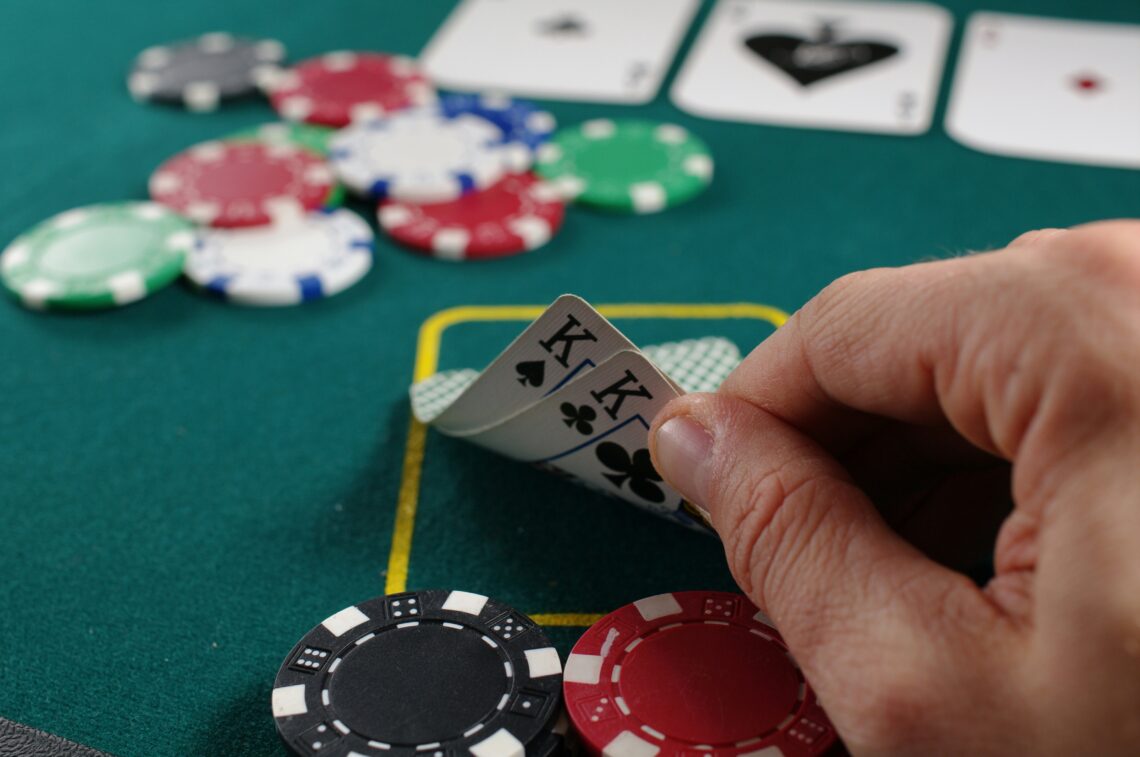
A player holding pocket aces watches a 7-2 offsuit catch a runner-runner straight on the river. The pot slides to the other side of the table. The next hand arrives in seconds, and the decision tree resets. The cards do not care about the previous hand. The player’s brain does. That gap between mathematical reset and emotional recovery is where tilt lives, and where most money is lost at the table.
What Happens in the Brain During Tilt
Tilt begins as a neurological event before it becomes a strategic one. When a bad beat registers, the amygdala activates and triggers the release of cortisol and adrenaline. Heart rate increases. Blood sugar spikes. The prefrontal cortex, responsible for calculating odds, weighing pot equity, and reading opponent tendencies, loses processing priority. The brain moves from analytical mode to threat response.
The reaction is a stress mechanism that predates card games by several hundred thousand years. The problem is that the fight-or-flight response is designed for physical danger, not for a pot-limit Omaha table. The player who loses a large hand and immediately three-bet shoves the next one is not making a strategic calculation. The amygdala is making the call.
Types of Tilt and How They Differ
Jared Tendler, a mental game coach who has worked with poker players across 45 countries, categorizes tilt into distinct types. Entitlement tilt occurs when a player believes they deserve to win based on skill and reacts with anger when results do not confirm that belief. Defeatist tilt is the opposite. The player expects to lose and plays passively as a form of emotional surrender.
Mistake tilt follows an unforced error. The player knows they misread a hand or sized a bet incorrectly, and the frustration compounds across subsequent hands. Revenge tilt targets a specific opponent. The player fixates on recovering chips from the person who delivered the bad beat, abandoning position and hand selection in the process.
Each type produces different behavioral patterns at the table. Entitlement tilt tends to increase aggression and bet sizing. Defeatist tilt shrinks both. Mistake tilt creates hesitation on subsequent decisions, even when the current hand has no connection to the error. Identifying which type is active is the first step toward managing it, because the intervention depends on the cause.
Card Games and the Emotional Patterns They Share
Frustration after a losing hand is not unique to poker. Chess players tilt after blunders. Backgammon players chase rolls. Bridge partners argue over misplayed contracts. Any game that combines skill with uncertainty creates a gap between expected outcome and actual result, and that gap provokes emotional responses. Players who engage with poker or similar strategy games learn quickly that managing emotional state is as much a part of the competition as managing cards. Video games with ranked ladders produce the same dynamic. The common thread is that variance exposes temperament.
The 4-7-8 Method and Other Physical Resets
Breathing techniques offer the fastest physical intervention for tilt. The 4-7-8 method, where the player inhales for 4 seconds, holds for 7, and exhales for 8, activates the parasympathetic nervous system and reduces cortisol output within minutes. It works because the exhale phase signals the brain to stand down from threat response.
Cold water on the face or wrists activates the mammalian vagal response, which slows heart rate. Standing up and stretching disrupts the posture associated with the stress state. These are not long-term solutions. They are circuit breakers designed to buy the player 60 to 90 seconds of clarity before the next decision. The goal is to interrupt the cortisol cycle long enough for the prefrontal cortex to resume control over decision-making. Players who use physical resets report that the technique feels mechanical at first but becomes automatic after several weeks of deliberate practice.
Why Bankroll Management Is a Mental Health Tool
A player with 20 buy-ins for their stake feels every loss differently than a player with 67 buy-ins. The math is straightforward. A solid no-limit hold’em player with a 3 big blind per 100 hands win rate and a 90 big blind standard deviation needs roughly 67 buy-ins to keep their risk of ruin below 5%. At $1/$2, that is approximately $13,400.
When the bankroll is deep enough, a single session loss does not threaten the player’s ability to continue playing. The emotional weight of each hand decreases. Bankroll management does not prevent bad beats, but it controls the financial consequence of each one, and financial consequence is what converts frustration into panic.
Session Limits and the 90-Minute Rule
Cognitive performance declines over extended periods of concentration. Research on decision fatigue suggests that quality degrades after roughly 90 to 120 minutes of continuous high-stakes decision making. Poker players who set session time limits based on mental output rather than financial result report fewer tilt episodes.
The rule is simple. Stop every 90 minutes regardless of how the session is going. Walk away from the screen or the table. Return only when the break has produced a genuine reset, not a brief pause followed by the same emotional state. Players who chase losses by extending sessions are compounding two problems at once. The variance has not changed, but the ability to respond to it has deteriorated. Fatigue narrows the range of plays a tired brain considers, and a narrower range means missed value and poorly timed aggression.
Process Over Outcome as a Framework
Professionals separate decision quality from result quality. A correctly played hand that loses to a 2-outer is still a correct decision. A poorly played hand that wins on a miracle river is still a mistake. Tilt occurs when players evaluate their performance by results rather than process.
Tracking software such as PokerTracker and Hold’em Manager allows players to review sessions after the fact. The data often shows that the hands causing the most frustration were played correctly. The outcome was determined by probability, not by error. Reviewing this data after a losing session recalibrates the emotional response by separating what the player controlled from what they did not.
The Long-Term Arithmetic of Composure
Pocket aces win roughly 85% of all-in confrontations preflop. That means they lose about 15% of the time. Over 1,000 all-in situations with aces, a player should expect approximately 150 losses. Each loss feels like an anomaly in the moment. Over a large sample, it is arithmetic.
Players who internalize this framework lose fewer chips to emotional decisions. They do not play fewer hands or take fewer risks. They respond to variance with the same strategy they applied before the bad beat occurred. The adjustment is not about avoiding pain. Bad beats still sting. The difference is the duration of the response. A player who recovers in 30 seconds loses one hand to emotion. A player who tilts for 45 minutes loses dozens. The cards reset every hand. The players who perform over thousands of hours are the ones whose emotional state resets with them.
Read more entertainment and gambling articles at ClichéMag.com
Images provided by Deposit Photos, BingAI, Adobe Stock, Unsplash, Pexels, Pixabay Freepik, & Creative Commons. Other images might be provided with permission by their respective copyright holders.