
Last Updated on July 6, 2026 by Cliche
The manufacturing industry is essential to our economy and daily lives. It produces everything from basic tools to complex machines. However, keeping workers safe is crucial for smooth operations. When machinery runs at high speeds and handles hazardous materials, strong safety protocols can prevent accidents and protect workers.
Manufacturers face unique challenges, like complex processes and changing workspaces. Having best practices not only complies with safety rules but also creates a workplace where employees feel valued and secure.
Let’s look at ways to improve safety in manufacturing.
Employee Training
Thorough employee training is a key part of safety in manufacturing. Workers need to know their roles regarding safety, how to use equipment properly, and how to handle materials safely. Regular training sessions keep safety a priority and ensure that everyone understands the procedures.
Different manufacturing areas may need specialized training. For example, workers using heavy machinery should receive specific training for safe operation. Involving workers in safety discussions and gathering their feedback on potential hazards helps create a strong commitment to safety practices.
Welding Machines
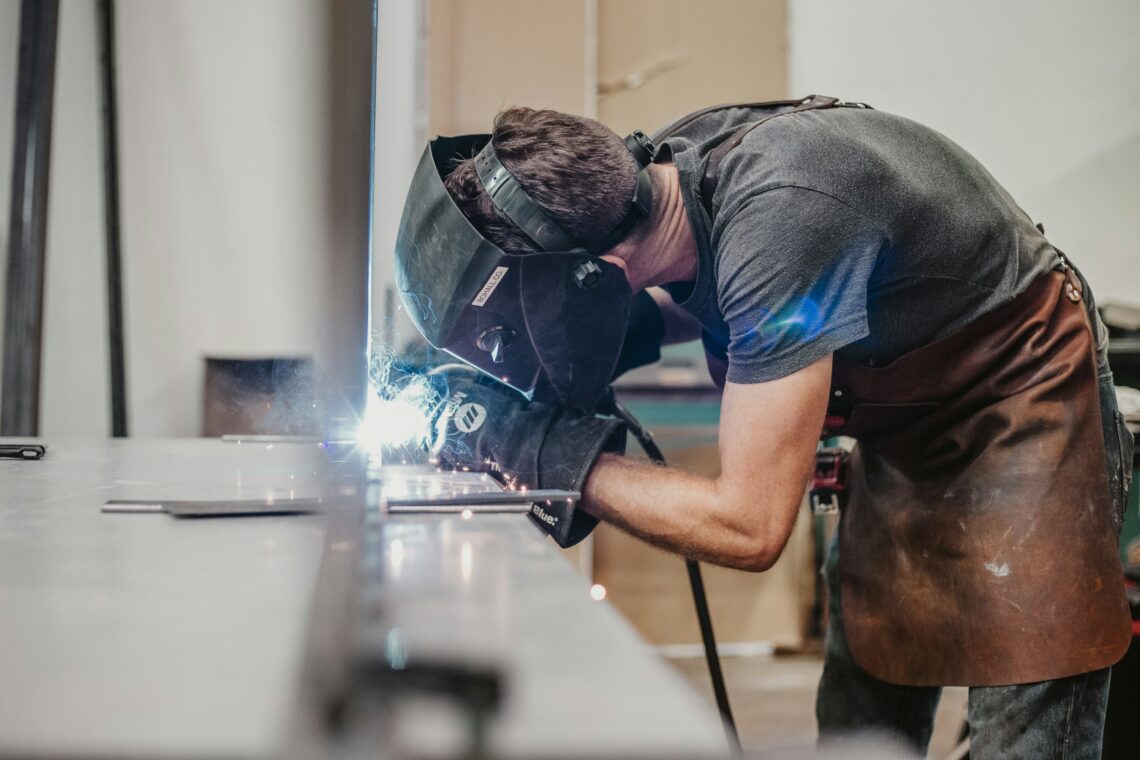
Welding machines are vital in many manufacturing processes. They join different metals and materials with skill and precision. Skilled welders are essential for ensuring products are well-made. When used responsibly, welding machines can lead to a safe and efficient workplace.
Employers should prioritize welder training that focuses on machine use, maintenance, and the recognition of welding hazards. When workers are informed and trained, welding operations become more efficient, benefiting the company while maintaining safety standards.
Proper Use of PPE
Personal Protective Equipment (PPE) is the first line of defence against workplace dangers. Depending on the job, this may include helmets, gloves, goggles, and respiratory protection. It’s important to provide all employees with the right PPE for their tasks and to ensure they know how to use it correctly.
Regularly inspecting PPE can detect wear or damage, ensuring employees always have reliable equipment. Encouraging a culture in which workers take responsibility for their own safety helps build accountability and ensures they use PPE consistently.
Welding Supplies
Using the right welding supplies helps workers do their jobs efficiently and safely. Essential items such as high-quality welding rods, shielding, and filler materials are necessary for successful welding. It’s important to check these supplies regularly and replace anything that doesn’t meet safety standards.
A well-organized workspace makes it easier for workers to find supplies, which can reduce accidents. When employees know where everything is and can grab tools quickly, they can focus better and reduce distractions. These practices create a professional atmosphere where safety becomes a priority during welding tasks.
Safety Protocols and Guidelines
Clear safety protocols are crucial for a safe workplace. These guidelines should be easy to access and updated regularly to match any changes in equipment or processes. Encouraging a culture of transparency allows employees to speak up about safety concerns without fear.
Conducting safety audits helps find areas for improvement. Setting aside time for these evaluations keeps safety at the forefront and addresses potential risks before they turn into problems. This reassures employees that their safety is a priority.
Emergency Preparedness
A solid emergency preparedness plan helps workers respond to unexpected situations, such as equipment failures or accidents. Regular drills let employees practice emergency procedures so everyone knows what to do in case of an emergency.
Clear exit signs and marked emergency routes help guide employees to safety quickly. Regular checks of emergency plans ensure that any updates, such as new equipment or layout changes, are included.
Positive Safety Culture
Building a positive safety culture starts with strong leadership commitment. When management emphasizes safety and engages employees, it communicates that their well-being is important. Leadership should provide ways for employees to share safety concerns and suggestions.
Recognizing safe practices motivates workers to stay alert. Celebrating safety milestones, like time without incidents, fosters a sense of community and shared responsibility.
Focusing on safety is both a legal requirement and a moral duty for employers. Creating a safe environment allows productivity to thrive. By adopting best practices, manufacturing companies can ensure that safety is everyone’s responsibility. A culture of safety protects employees and improves the overall manufacturing process.
Read more lifestyle articles at ClichéMag.com
Images provided by Deposit Photos, BingAI, Adobe Stock, Unsplash, Pexels, Pixabay Freepik, & Creative Commons. Other images might be provided with permission by their respective copyright holders.