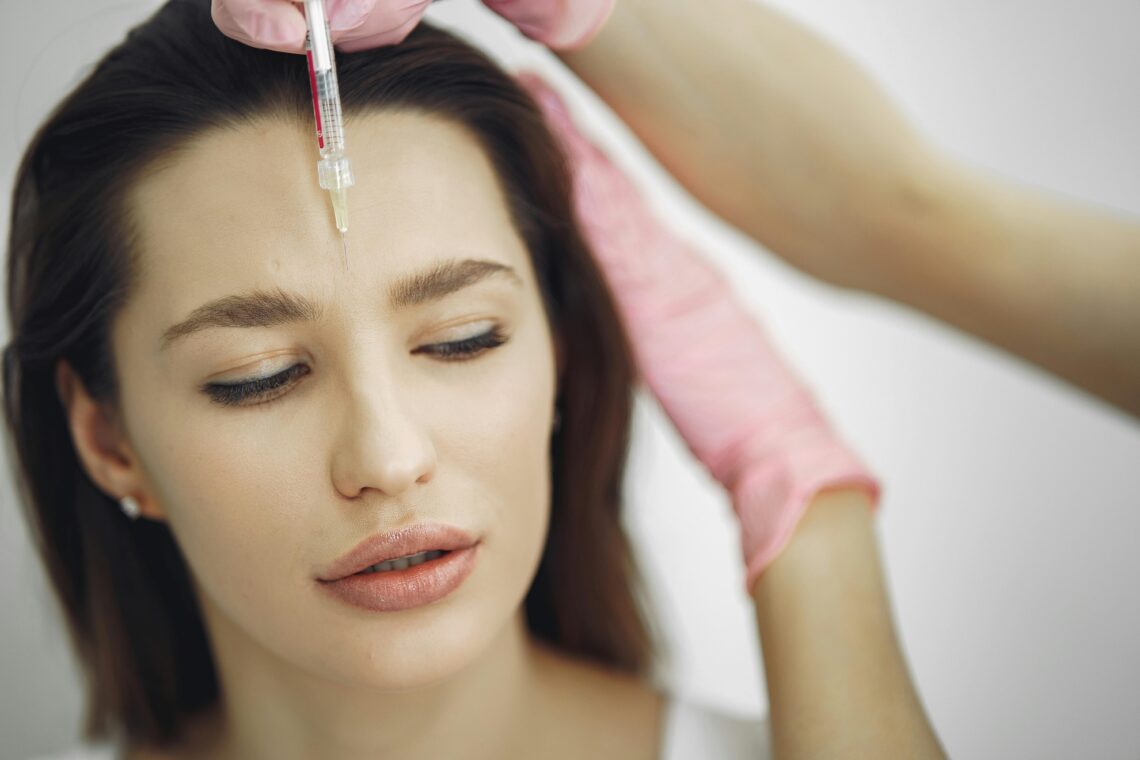

Trying Botox for the first time can feel exciting, but also a bit confusing if you don’t know what to expect. Understanding how the treatment works, who it’s for, and what the process looks like can make a big difference. With the right information and a qualified provider, Botox can become a simple, low-commitment way to refresh your appearance and feel more confident in your own skin.
What Botox actually is
Botox is a purified form of botulinum toxin that medical professionals use in small, controlled doses for cosmetic treatments. It may sound intimidating at first; however, it has a long track record in aesthetic medicine. Clinics rely on it to help patients soften facial lines while maintaining a natural overall look and feel.
When injected into specific muscles, Botox helps reduce their ability to contract fully. This targeted relaxation helps smooth wrinkles that form from repeated expressions like frowning or squinting. Many people choose this approach because it does not require surgery, and the procedure itself usually takes only a short amount of time.
According to the team behind a renowned beauty lab in Wayzata, wrinkles that respond best to Botox are often called dynamic wrinkles, meaning they appear when you move your face. Over time, these lines can become more noticeable even at rest. Botox helps interrupt this cycle, giving the skin a chance to appear calmer and more refreshed without dramatic changes.
Beyond aesthetics, doctors also use Botox in various medical contexts, including migraine management and muscle-related conditions. This broader use has helped increase trust in the treatment. Understanding that Botox serves both cosmetic and therapeutic purposes often reassures first-time patients who feel unsure about trying it.
How Botox works on the skin and muscles
Botox works by interrupting the communication between nerves and muscles in a very specific area. Normally, nerves send signals that cause muscles to contract, which leads to facial movement. When Botox blocks these signals temporarily, the muscle relaxes, and the overlying skin gradually appears smoother and less creased.
Repeated facial expressions, like raising your eyebrows or narrowing your eyes, contribute to the formation of fine lines. Over time, these lines may deepen and become more visible. By reducing the strength of these repetitive contractions, Botox helps slow down this process, giving the skin a chance to recover from constant movement.
Results remain localized because practitioners inject Botox with precision into carefully chosen spots. This approach ensures that surrounding muscles continue to function normally, which helps maintain natural facial expressions. Many patients worry about looking frozen; however, skilled providers focus on balance rather than complete immobility.
Another important point involves the temporary nature of the treatment. Botox does not alter your skin structure permanently. Instead, it provides a window during which muscles stay relaxed, and wrinkles soften. Once the effects gradually fade, muscle activity returns, allowing patients to decide whether they want maintenance treatments.
Common treatment areas for first-time patients
Forehead lines are often among the first concerns people mention during consultations. These horizontal lines develop from frequent eyebrow movement, which many individuals do unconsciously throughout the day. Botox can help soften their appearance, giving the upper face a more relaxed and approachable expression without changing your personality.
Another popular area involves the frown lines between the eyebrows, sometimes called “elevens.” These lines tend to create a tired or stern look even when you feel perfectly fine. Treating this region can make a noticeable difference in overall facial harmony, especially for patients seeking subtle yet meaningful improvements.
Crow’s feet around the eyes also respond well to Botox treatments. These fine lines often appear when smiling or squinting in bright light. Many first-time patients choose this area because the results can look very natural, helping the eyes appear more open and rested while still allowing expressive, genuine smiles.
Some patients also explore treating bunny lines on the nose that appear when scrunching the face. While less common, addressing these lines can complement other treatments and create a smoother look across the central face. A provider may recommend combining areas to achieve balanced, cohesive results.
Who is a good candidate for Botox
Adults who notice early or moderate expression lines often make ideal candidates for Botox. The treatment works best when wrinkles still relate primarily to muscle movement rather than deep skin folds. People who want a preventative approach sometimes consider starting earlier, especially if they have strong facial expressions.
Good overall health also plays an important role in candidacy. Providers typically review medical history to ensure there are no contraindications. Patients who take certain medications or have specific neurological conditions may need alternative treatments. Honest communication during the consultation helps determine whether Botox suits your situation.
Expectations matter just as much as physical factors. Individuals who seek subtle refinement rather than dramatic transformation often feel more satisfied with their results. Understanding that Botox enhances your natural appearance, rather than completely changing it, helps create a positive treatment experience from the start.
Lifestyle considerations can influence outcomes as well. People who maintain healthy skincare routines, protect their skin from sun exposure, and stay consistent with follow-up visits often enjoy longer-lasting improvements. Botox works best as part of a broader self-care strategy rather than a one-time solution.
What happens during the consultation
The consultation usually begins with a detailed discussion about your medical history and current medications. This step helps the provider identify any potential risks and tailor the treatment plan accordingly. Many patients feel relieved once they realize how thorough and structured this process tends to be in reputable clinics.
Facial assessment follows, during which the practitioner observes how your muscles move when you smile, frown, or raise your eyebrows. These observations guide injection placement and dosage decisions. Instead of relying on a generic formula, experienced providers design treatments that reflect your unique facial anatomy.
You will also talk about your goals and expectations in practical terms. Some patients want a very subtle change, while others prefer more noticeable smoothing. Open conversation ensures both you and the practitioner share the same vision, which helps prevent disappointment later when the results become visible.
Pricing and scheduling typically come up toward the end of the consultation. Clinics may explain whether they charge per unit or by treatment area. Understanding the financial aspect early allows you to plan future sessions and decide how Botox fits into your long-term aesthetic routine.
Wrap up
Botox remains one of the most popular non-surgical cosmetic treatments for a reason. It offers quick sessions, minimal downtime, and results that can look subtle and natural when done correctly. By learning what to expect, preparing properly, and choosing an experienced practitioner, you set yourself up for a positive first experience. In the end, informed decisions help you achieve results that align with your goals and lifestyle.
Read more beauty articles at ClichéMag.com
Images provided by Deposit Photos, BingAI, Adobe Stock, Unsplash, Pexels, Pixabay Freepik, & Creative Commons. Other images might be provided with permission by their respective copyright holders.