
Last Updated on July 22, 2026 by Cliche
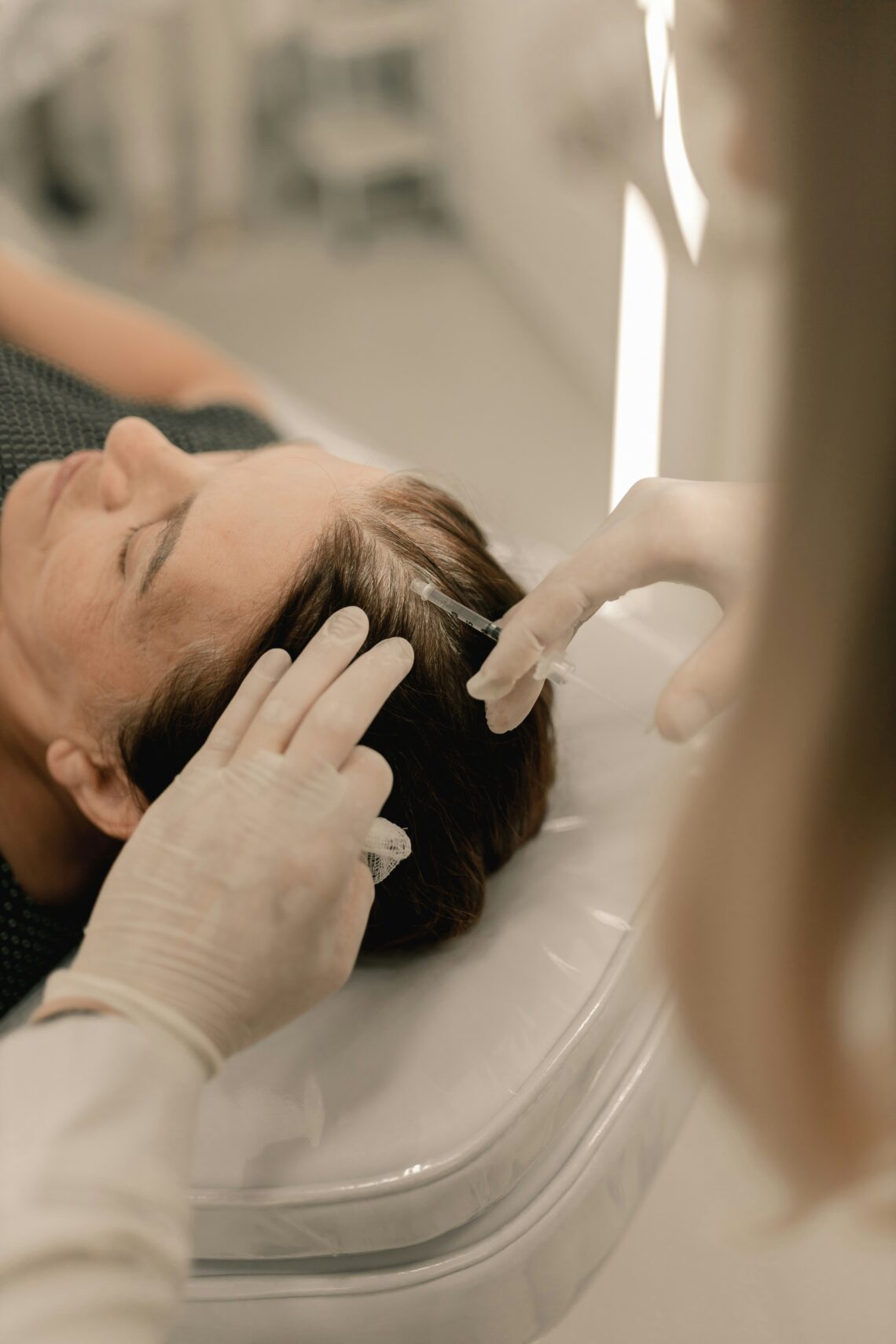
You might notice it in the shower drain, in old photos, or in the way your hairline has quietly shifted over the years. For millions of people, the search for something that actually works has been a long and often frustrating one. Countless products promise thicker, healthier hair but fail to deliver meaningful results. Others may slow hair loss for a while without addressing the underlying problem or restoring lost density. One option that has gained attention is PRP injections for hair loss.
That growing demand for treatments backed by science has led more people to consider platelet-rich plasma (PRP) therapy, specifically PRP injections for hair loss. For those ready to explore this option, NYC has built a strong reputation as a leading center for regenerative hair restoration, with experienced specialists who deliver this treatment using evidence-based techniques and a focus on achieving natural, measurable results.
The Biology Behind Hair Thinning
Androgenetic alopecia, the most prevalent form of hair loss in both men and women, isn’t about follicles dying. It’s about them shrinking. Over time, affected follicles gradually miniaturize, producing finer and shorter hairs until they eventually stop producing visible hair altogether. The follicle is still alive, it’s just dormant.
This distinction matters because it means there’s a window in which treatment can actually reverse or arrest the process, if done early enough and with the right approach. The earlier intervention begins, the more follicles remain viable and responsive to treatment.
How PRP Targets the Hair Follicle
Platelet-rich plasma is prepared from your own blood, a small draw is spun in a centrifuge to concentrate the platelets, which are then injected into the scalp at the level of the hair follicles. The high concentration of growth factors in PRP creates a powerful biological signal for the follicle to re-enter the active growth phase.
The key growth factors involved in hair restoration include:
PDGF (Platelet-Derived Growth Factor): Stimulates the dermal papilla cells that sit at the base of each follicle and act as the primary regulators of the hair growth cycle. When PDGF activates these cells, it effectively wakes up follicles that have shifted into a dormant or miniaturised state
VEGF (Vascular Endothelial Growth Factor): Promotes the formation of new blood vessels around the follicle, improving local circulation and ensuring a steady supply of oxygen and nutrients. Since follicle miniaturisation is closely linked to reduced blood flow, this is one of the most structurally important growth factors in hair restoration
IGF-1 (Insulin-Like Growth Factor 1): Directly drives follicle cell proliferation and has been shown to extend the anagen phase the active growth stage of the hair cycle — meaning treated follicles spend more time producing hair and less time in the resting phase
EGF (Epidermal Growth Factor): Supports the health and regeneration of the scalp tissue itself, improving the cellular environment in which follicles sit and enhancing their capacity to sustain active growth over time
Together, these growth factors work to reawaken dormant follicles, strengthen existing hair, and create a more favorable scalp environment for sustained growth.
Patients who begin treatment in the earlier stages of hair loss consistently see better results than those who wait until significant miniaturization has already occurred.
Those considering PRP injections in NYC benefit from the expertise of clinicians who understand how to tailor treatment protocols to individual hair loss patterns and scalp conditions. Regen Axis Health approaches every hair restoration case with a detailed scalp assessment first, matching the treatment to the person, not the other way around.
What the Evidence Actually Shows
Research continues to support PRP as a promising non-surgical treatment for androgenetic alopecia, the most common form of hair loss. A 2024 Phase I clinical trial published in the National Library of Medicine (PMC) found that PRP injections increased hair count by approximately 62.4% and hair thickness by nearly 58.6%.
These improvements suggest that the treatment can stimulate healthier hair growth by supporting dormant or weakened hair follicles. While individual results depend on factors such as the stage of hair loss and overall health, the growing body of clinical evidence gives both patients and providers greater confidence in this approach as part of a comprehensive hair restoration plan.
The Right Candidates for PRP Hair Treatment
PRP works best when the follicles are still present and capable of responding not after complete baldness has set in. It’s most effective for men and women with early to moderate androgenetic alopecia, where thinning is visible but follicles remain active and miniaturised rather than absent.
It also suits those experiencing diffuse thinning at the crown or temples, anyone looking for a non-surgical, drug-free option, or those wanting to complement existing treatments like minoxidil. Good general health and no active scalp conditions are baseline requirements, and importantly, a willingness to commit to a multi-session protocol and ongoing maintenance. PRP requires consistency to deliver lasting results.
A comprehensive scalp evaluation with an experienced clinician is the only way to know whether it is the right fit for your specific pattern and stage of hair loss.
So, Does PRP Actually Stop Hair Thinning?
For many people with androgenetic alopecia or early-stage hair thinning, PRP can slow the progression of hair loss and improve hair density, especially when treatment begins before significant follicle damage has occurred. While it isn’t a permanent cure and won’t restore hair in areas where follicles are no longer active, it can strengthen existing follicles and encourage healthier, thicker hair growth.
The key is having realistic expectations. The treatment works best when it’s part of a personalized treatment plan and performed by an experienced provider. If you’re noticing ongoing thinning, seeking an evaluation sooner rather than later gives you the best chance of preserving the hair you have and achieving meaningful, long-lasting results.
Final Thoughts
Hair loss doesn’t have to be something you simply accept. For people in the earlier stages of thinning, PRP offers a clinically supported path to denser, healthier hair, without surgery, without drugs, and without significant downtime.
The best starting point is a consultation with a specialist who can evaluate your scalp honestly, explain what PRP can and can’t do for your specific situation, and help you build a plan that works.
Read more lifestyle articles at ClichéMag.com
Images provided by Deposit Photos, BingAI, Adobe Stock, Unsplash, Pexels, Pixabay Freepik, & Creative Commons. Other images might be provided with permission by their respective copyright holders including AI generators.