
Last Updated on February 4, 2026 by Cliche
Feet rarely get much attention until they start complaining. Then it becomes obvious how much they do: they carry your weight, balance you on uneven pavements, take the brunt of long days, and quietly adapt to everything from temperature to terrain.
As we age, that adaptability can dip. The natural padding under the heel and ball of the foot thins. Joints can stiffen. Skin dries out faster. Nails thicken. Circulation can become less generous, which affects warmth and healing. None of this is dramatic on its own, but together it can change how you walk, how steady you feel, and how comfortable you are doing ordinary things.
Protecting your feet is mostly about small habits done consistently, and being a bit fussier about what you put on them.
Start with a quick, regular check
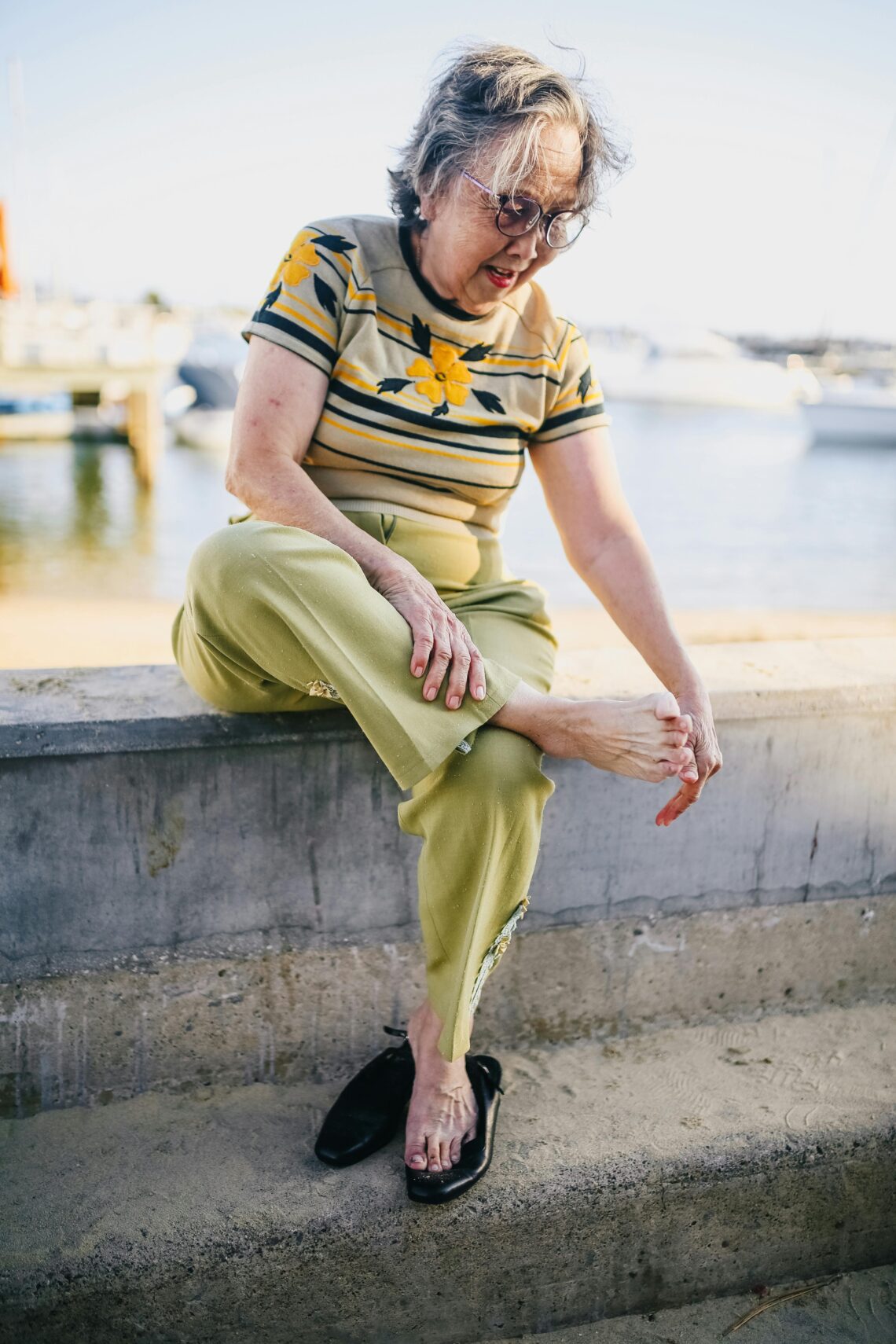
You do not need to turn foot care into a whole ritual. A thirty-second look a few times a week is enough to catch the stuff that tends to get worse when ignored.
Look for:
- Red patches or shiny skin where something is rubbing
- Cracks around the heels
- Hard skin building up in one spot
- Swelling that is new for you
- Colour changes in toes, especially if one looks paler or bluer than the others
- Cuts or blisters that are slow to settle
If you cannot comfortably see the soles, use a mirror on the floor, or ask someone you trust. This is especially important if you have reduced sensation, diabetes, or circulation issues, because a small injury can turn into a bigger problem quickly.
Keep skin comfortable, not polished
A lot of foot care advice drifts into beauty language. You can ignore that. The aim is simply to keep skin supple enough to cope with daily friction and pressure.
After washing, dry between the toes properly. It is a boring detail, but damp skin there can lead to soreness and fungal infections. Moisturiser helps on the heel and sole if you are prone to dryness, but avoid putting cream between the toes, where it can stay too moist.
Hard skin is not automatically a problem. It is your body’s way of protecting itself. The issue is when it becomes thick, cracks, or starts to change how you place your foot. Gentle filing after a bath or shower can keep it in check. Aggressive scraping tends to backfire.
Nail care matters more than people admit
Thickened nails, curved nails, and nails that become harder to cut are all common with age. Left too long, they can press into shoes and make walking uncomfortable in a way that feels oddly tiring.
Cut nails straight across rather than into the corners. If that is difficult, if your hands are stiff, or if your eyesight makes it awkward, this is one of those moments where getting help is practical rather than indulgent. A podiatrist can also spot patterns, like pressure points or early changes in the shape of the foot, that you might not notice.
Do not ignore an ingrown nail that is becoming red, hot, or painful. The longer it goes on, the harder it is to fix simply.
Shoes: the quiet make-or-break factor
Most foot problems are not caused by walking too much. They are caused by walking in shoes that do not match your feet anymore.
Feet change over time. Arches can drop. Toes can drift. Swelling can come and go. That means a size you have “always been” is not always your size now. If you have not had your feet measured in years, it is worth doing, and it is worth trying shoes on later in the day when feet are at their largest.
What tends to help as you get older:
- A toe area that lets toes sit naturally, not squeezed into a point
- A stable sole that does not twist easily
- A low heel, with a broad base rather than something narrow
- Good grip underfoot, especially if you walk on wet paving or polished indoor floors
- A fastening you can adjust, like laces or straps, so the shoe stays put
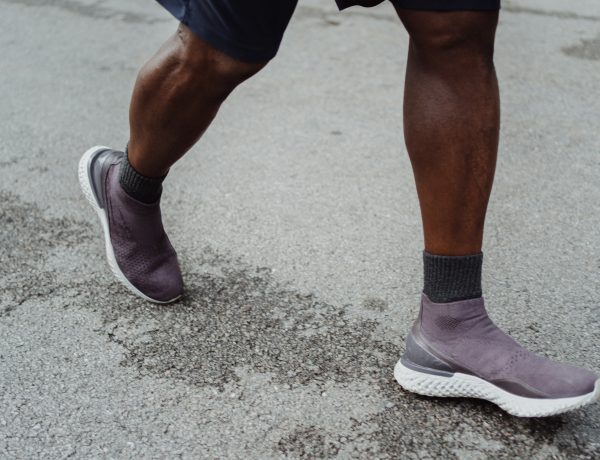
This is where trainers often earn their place. A well-made pair can give cushioning, grip, and a secure fit without feeling heavy. The key is the fit and structure, not the label.
Two quick tests that save time:
Heel test: walk a few steps. Your heel should not lift up and down inside the shoe. If it does, you will likely end up with blisters or an unsteady gait.
Toe test: stand up and wiggle your toes. If you cannot move them at all, the toe box is too tight, even if the length feels fine.
Avoid the idea of “breaking shoes in”. Shoes should feel right straight away. A shoe that rubs in the shop will usually rub worse on a longer walk.
Think about balance, not just comfort
A slightly unstable shoe can quietly change how you move. Soft backless slippers, worn-down soles, and shoes with little grip are common culprits for trips indoors.
If you are tempted to pad around in socks, especially on hard floors, consider a supportive indoor shoe instead. It does not need to be bulky. It just needs to stay on your foot and grip the ground.
Also pay attention to the state of your footwear. Many people keep comfortable shoes long after the tread has gone flat or the heel has started to lean. That tilt affects your ankles and knees and can make you feel less steady than you realise.
Socks and circulation: small choices, big effect
Cold feet are not just annoying. If circulation is poor, skin can become more fragile and slower to heal. Socks that keep feet warm without squeezing are the goal.
Look for socks that:
- Do not leave deep marks around the ankle
- Have a smooth seam at the toes
- Keep feet dry rather than sweaty
If your feet sweat more than they used to, that is normal too. Changing socks during the day and letting shoes air out properly can prevent soreness and skin breakdown.
Keep the muscles working
Feet have muscles. They weaken when they are ignored, like everything else.
You do not need special equipment. A few things that fit into normal life:
- Go up onto your tiptoes while waiting for the kettle, then slowly lower
- Pick up a tea towel with your toes if you are steady enough to do it safely
- Roll the sole of your foot over a ball or a frozen bottle for a minute if the arch feels tight
If you are dealing with persistent heel pain, recurring ankle rolls, or numbness, it is worth getting proper advice rather than guessing. Sometimes a simple change in footwear or a targeted exercise plan can stop a problem becoming a long-term limitation.
Know when it is not “just ageing”
Some changes are common, but not everything should be filed under “getting older”.
- Get medical advice if you notice:
- A wound that is not healing
- New numbness, burning, or pins and needles
- Sudden swelling, especially in one foot
- A toe that changes colour or temperature noticeably
- Pain that alters how you walk for more than a few days
Feet are good at compensating. People often adapt their gait without noticing, then wonder why their knees, hips, or lower back start to ache. Catching foot issues early can prevent that knock-on effect.
While it’s important to protect your feet it does not require perfection. It is mostly about noticing small changes, wearing shoes that make walking feel stable, and not brushing off problems that keep coming back. If your feet feel looked after, the rest of life tends to feel more manageable too.
Read more lifestyle articles at ClichéMag.com
Images provided by Deposit Photos, BingAI, Adobe Stock, Unsplash, Pexels, Pixabay Freepik, & Creative Commons. Other images might be provided with permission by their respective copyright holders.